The Ultimate Indian Student’s Guide to South Korea: Food, Transit, and Culture Tips
인도 학생들을 위한 한국 교육 여행 실전 가이드: 음식, 교통, 문화 팁
Photo by 한국관광공사 on KTO
Staying Connected: Navigating the Digital Kingdom
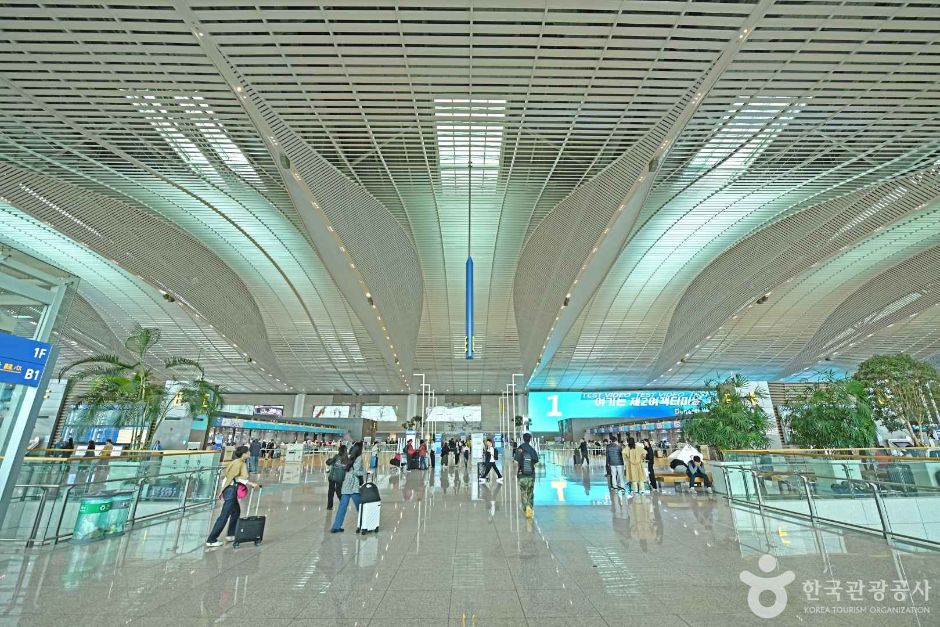
Step out of the arrival gate at Incheon International Airport, and you are instantly greeted by the hum of ultra-fast public Wi-Fi and sleek digital terminals. For an Indian student landing in Korea, your smartphone is your ultimate survival tool. Before you even clear customs, secure an eSIM or a physical tourist SIM card with unlimited data. Providers like Chingu Mobile or LG U+ offer affordable student plans that keep you connected without breaking the bank.
Once connected, forget Google Maps. Because of national security protocols, Google Maps does not function properly for walking directions in South Korea. Instead, immediately download Naver Map or KakaoMap. These apps provide real-time bus arrivals, subway transfer paths, and even tell you which train carriage to board for the fastest transfer. Pair these with Papago, the gold standard for Korean-English translation, which allows you to take photos of restaurant menus or street signs and instantly translate them with incredible accuracy.
The Vegetarian Quest: Decoding Menus and Finding Comfort Food
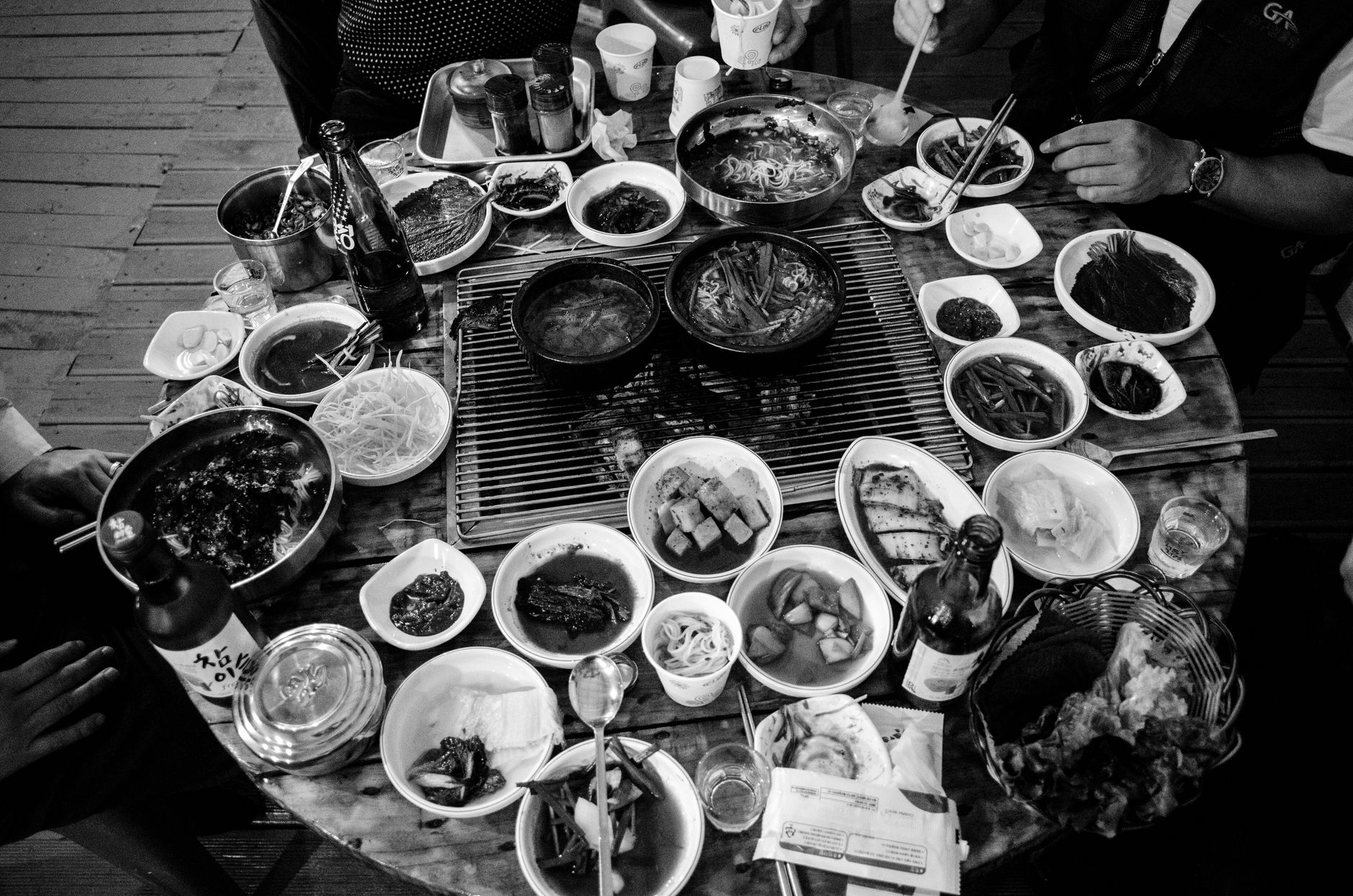
Sizzling stone bowls of bibimbap, the earthy aroma of toasted sesame oil, and plates of colorful pickled radish await you. However, as an Indian student—especially if you follow a vegetarian, vegan, or Jain diet—dining in Korea can initially feel daunting. Traditional Korean cuisine heavily features seafood broth, pork, and beef. The secret to navigating this is preparation and clear communication.
Begin by learning the phrase "Gogi eopsi haejuseyo" (Please make it without meat). When ordering Bibimbap, always specify no minced beef ("Sogogi ppaejuseyo"). For a guaranteed vegetarian feast, look for Sachal Eumsik (Korean temple food) restaurants, which are entirely vegan and avoid pungent ingredients like onions and garlic, making them highly suitable for Jain travelers. In major hubs like Seoul's Itaewon district or near universities, you will find excellent Indian restaurants like Chakraa and Fortune serving authentic dal makhani and hot rotis when homesickness strikes.
Smart Budgeting: T-Money, Cash, and Summer Comforts
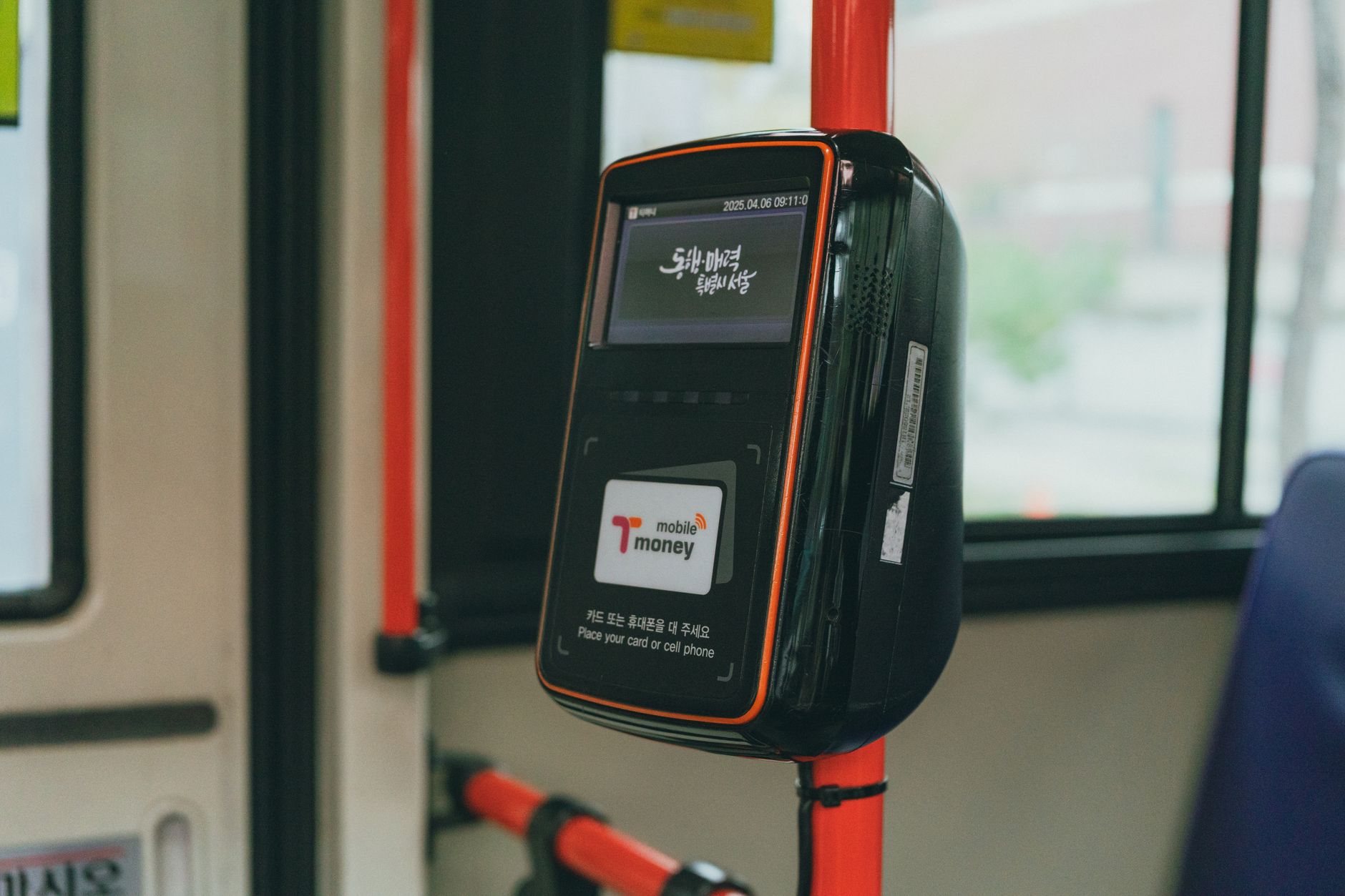
Hear the satisfying, high-pitched beep of a transit card tapping against a turnstile as a stream of commuters glides effortlessly into the cool, air-conditioned depths of the Seoul subway. This is your gateway to the city: the T-money Card. Available at any convenience store (like GS25, CU, or 7-Eleven) for a few thousand Won, this reloadable card pays for subways, public buses, and even taxi rides. Keep in mind that while Korea is largely cashless, T-money cards can only be reloaded using physical cash at station kiosks or convenience stores, so always carry a few 10,000 Won notes in your wallet.
Since you are traveling during the peak of the Korean summer, budgeting for hydration is key. Step into any convenience store to grab a pouch of iced peach tea or green grape juice, pour it into a cup of ice (which costs less than 2,000 Won), and enjoy a classic local refreshing treat. Carrying a small portable neck fan and a compact umbrella for sudden summer showers will keep you comfortable during long walking tours.
Safety First: The Comfort of a 24/7 Society
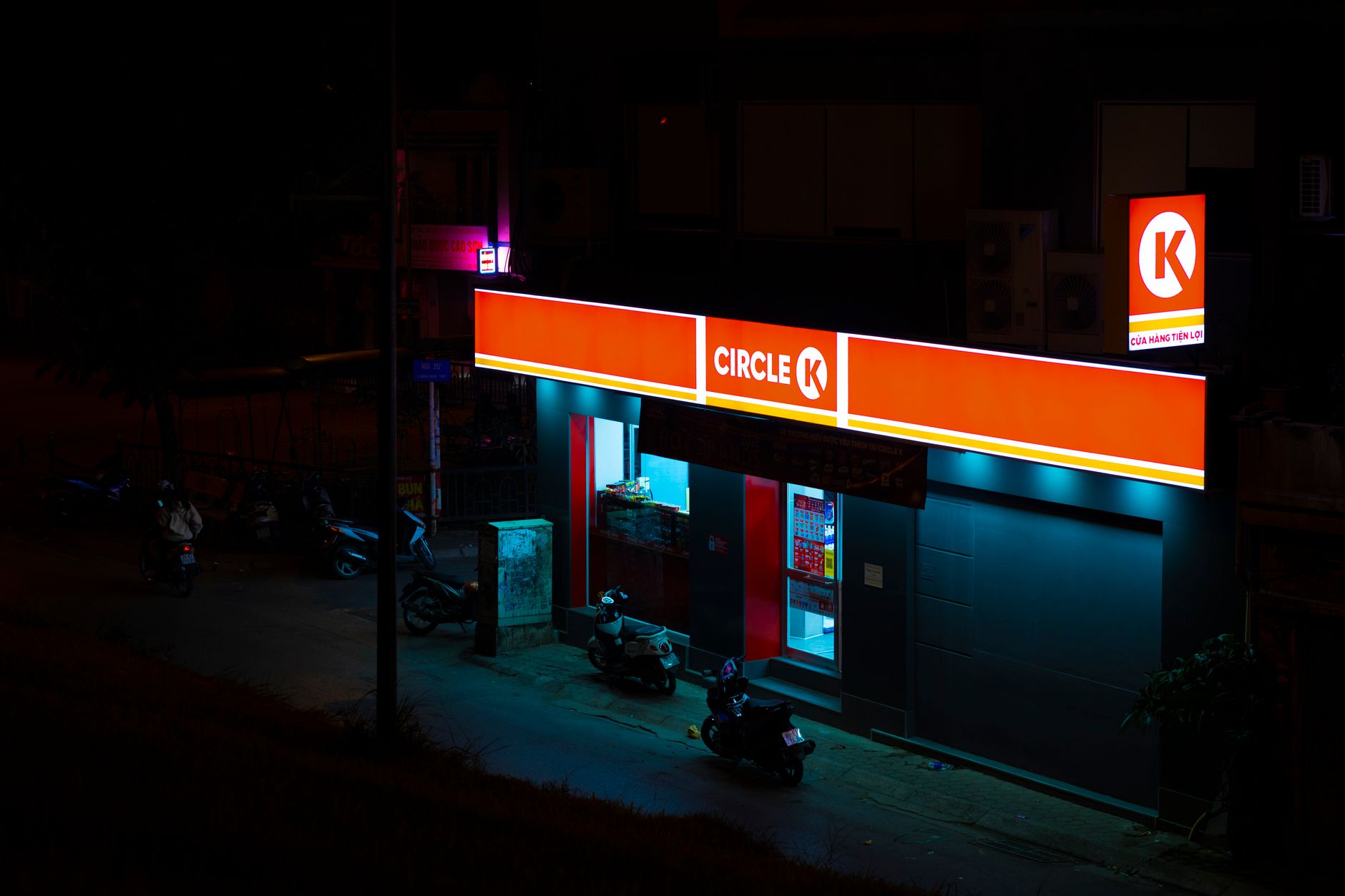
Imagine walking down a brightly lit alleyway in Hongdae or Sinchon at midnight, the streets lively with students, and realizing you left your expensive tablet on a cafe table two blocks away. In Korea, chances are incredibly high that your device will be exactly where you left it. South Korea is one of the safest countries in the world, boasting extensive CCTV coverage and a deeply ingrained culture of public honesty, making it exceptionally welcoming for young students and female travelers alike.
Even with this peace of mind, it is smart to keep key emergency numbers programmed in your phone. Dial 112 for the police and 119 for ambulance and fire services. For tourists, the invaluable 1330 Travel Hotline provides free, 24-hour translation and assistance in English. Always carry your school group’s emergency contact card and your passport copy whenever you venture out on solo exploration days.
Cultural Etiquette: Bows, Two Hands, and Eco-Responsibility
Watch the local students as they greet their teachers: a respectful, slight bow of the head and shoulders, accompanied by a warm smile. In Korea, respect for elders and teachers is paramount. When handing your passport to an officer, paying a cashier, or receiving a business card, always use both hands—or support your right forearm with your left hand. It is a simple gesture that shows immense respect and is deeply appreciated by locals.
Additionally, Korea is incredibly strict about waste disposal, a system known as bunryu-baechul. You will rarely find public dustbins on the streets. Instead, trash must be meticulously separated into general waste, recyclables (plastics, cans, paper), and food waste. When dining at convenience stores or food courts, follow the sorting guides carefully. By respecting these daily civic habits, you transition from being a mere tourist to a mindful global student. Ready to embark on this life-changing academic adventure? Explore our Korea educational tour packages to start planning your school group's customized journey through Seoul, Gyeongju, and Jeju Island today!

Planning a Korea School Trip?
This story is connected to one of our tour packages. Explore the full itinerary and pricing.
Share this article