Inside KAIST: Korea's Premier STEM Research Hub
미래를 열다: 대한민국 최고의 이공계 대학, KAIST 교육 탐방
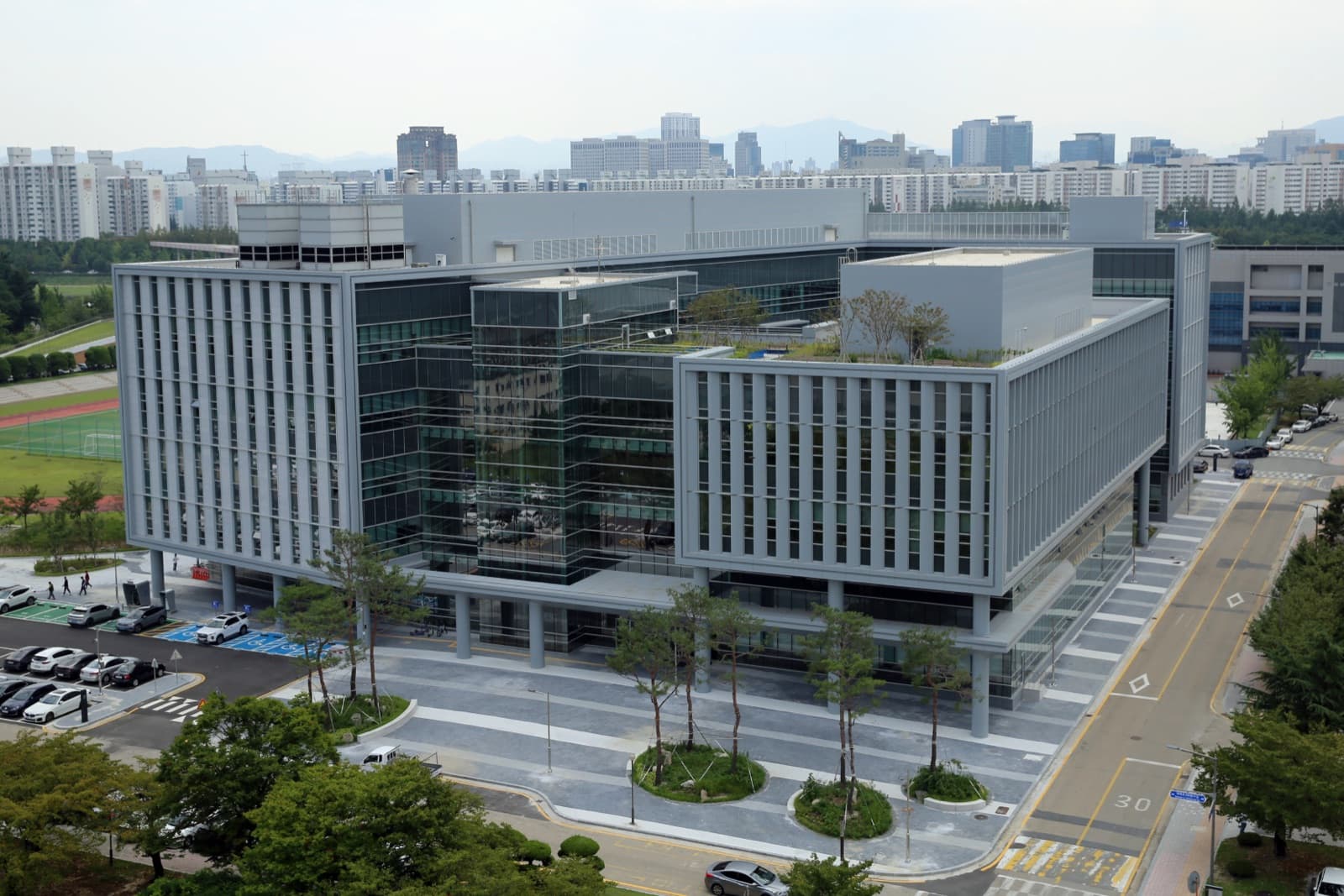
Photo by Rickinasia on Wikimedia
The Cradle of Korean Innovation
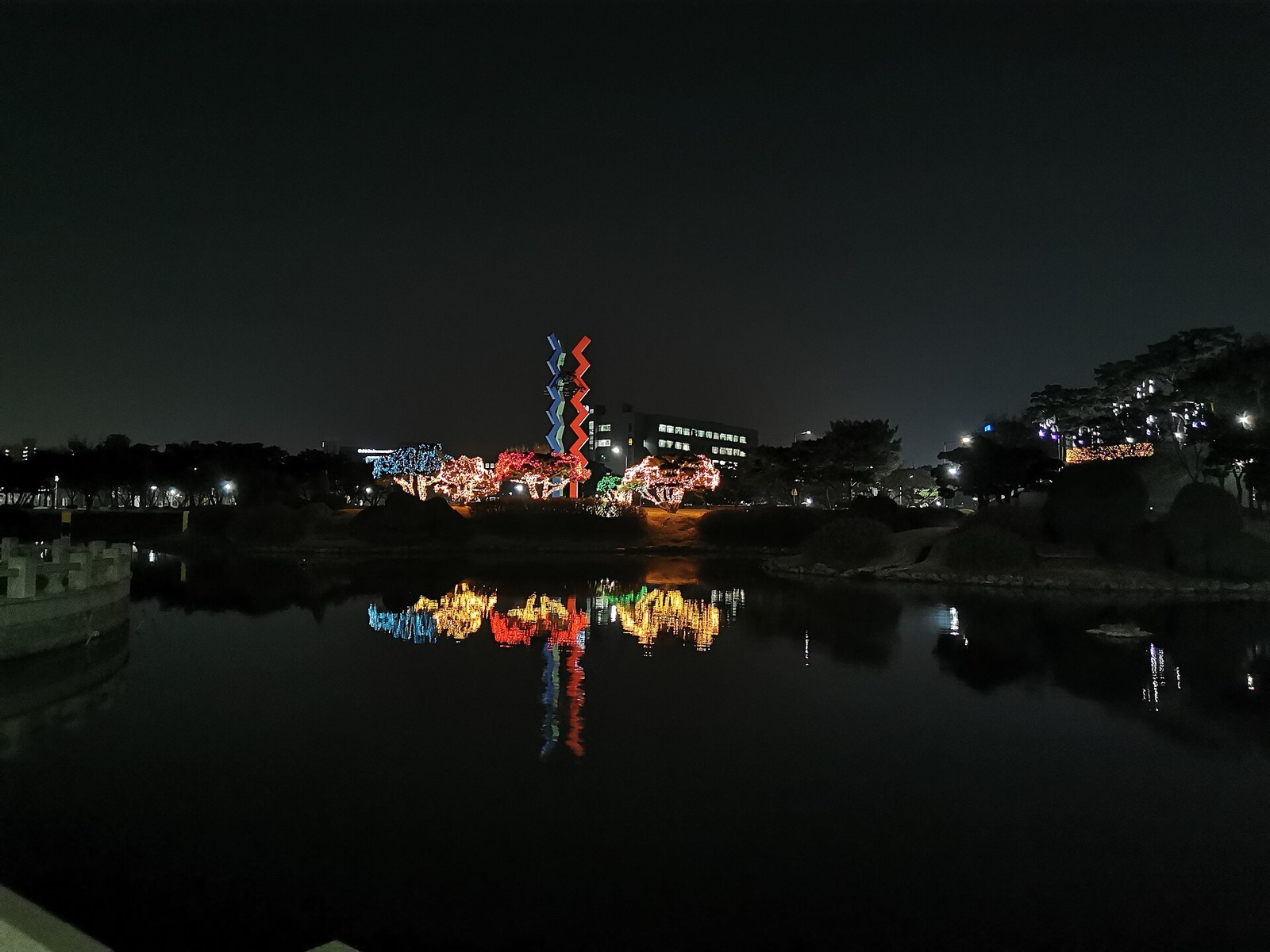
The rhythmic hum of cicadas in the lush plane trees blends with the soft, mechanical whir of a prototype drone hovering over the emerald waters of the campus Duck Pond. Under the bright, golden summer sun of Daejeon, South Korea’s scientific capital, you step onto the sprawling campus of KAIST (Korea Advanced Institute of Science and Technology). The air here feels charged with intellectual energy, where the sleek, glass-paneled facades of the KAIST Institute (KI) Building reflect both the blue sky and the dreams of thousands of young researchers from across the globe.
For Indian students and educators visiting Korea, KAIST is not just a university; it is a living blueprint of how a nation transformed itself into a global technological powerhouse in less than half a century. Established in 1971 with the help of international funding, KAIST has grown to rival elite institutions like MIT and Stanford. For young minds from India—a country with its own rich heritage of mathematical and engineering excellence—walking through these corridors offers a vivid, tangible glimpse into the future of global STEM education.
Where Sci-Fi Meets Reality: Academic Excellence
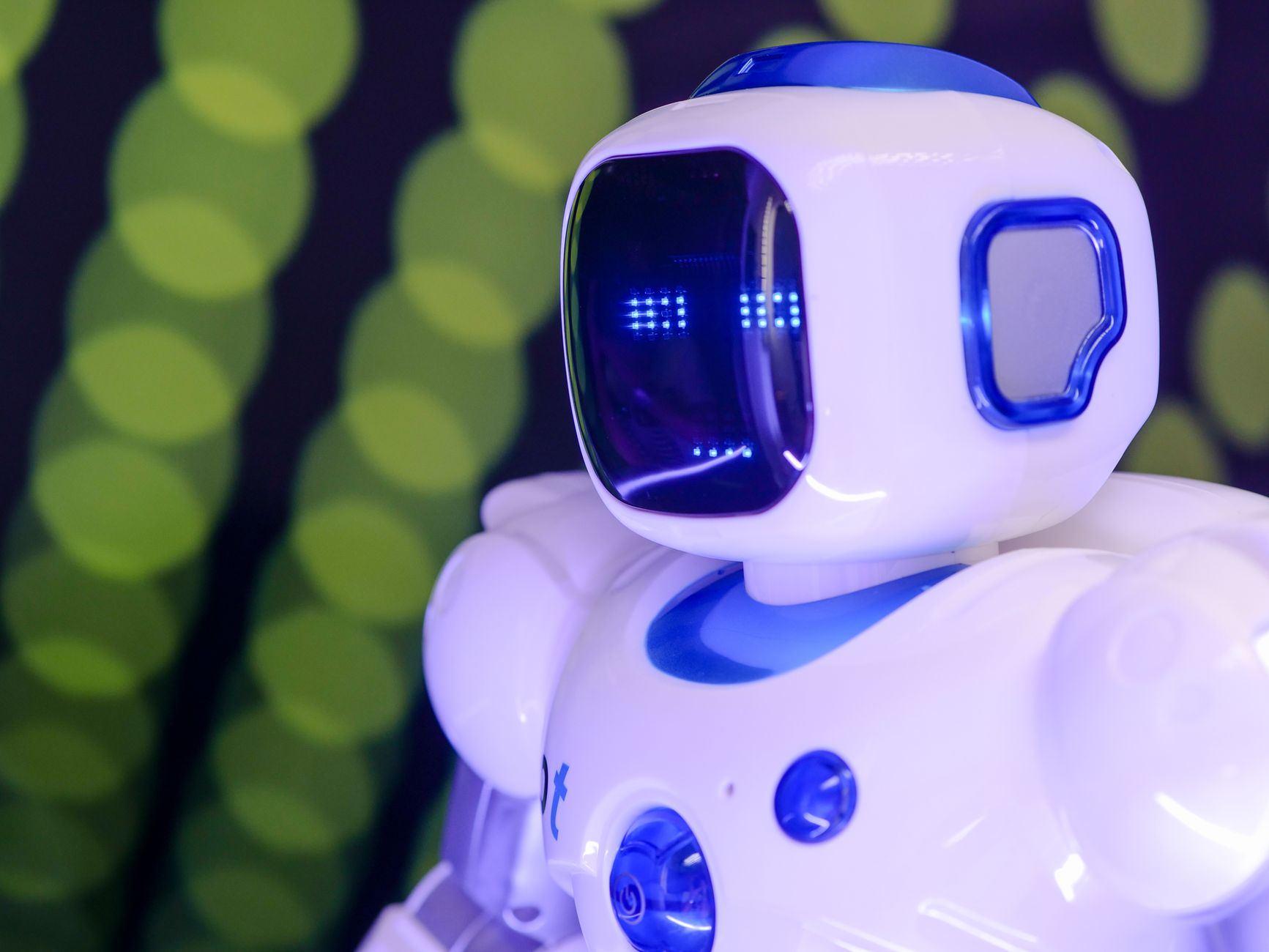
Inside the world-renowned Hubo Lab, the scent of heated solder and the quiet click of precision gears fill the air. Here, visitors are introduced to HUBO, the humanoid robot that won the prestigious DARPA Robotics Challenge. Indian school groups stand mesmerized as student researchers demonstrate how HUBO navigates complex obstacle courses, showing the practical application of deep learning and mechanical engineering. This is the hallmark of KAIST's academic culture: theory is immediately put to the test in state-of-the-art research facilities.
The institution’s academic departments span across cutting-edge fields such as Aerospace Engineering, Artificial Intelligence, and Green Transportation. During a curated tour, students learn about Korea's indigenous satellite program and the revolutionary wireless electric vehicles developed right on this campus. Educators will appreciate the multidisciplinary approach, where undergraduate students are encouraged to join research laboratories early in their academic journey, fostering a culture of questioning, experimenting, and building from day one.
A Day in the Life: From Labs to Multicultural Cafeterias
Imagine starting your morning with a guided tour of the KAIST central library, a multi-story architectural marvel where students study in futuristic pods and utilize virtual reality learning spaces. After interacting with local professors, the afternoon brings a chance to experience the warm, inclusive international community on campus. The KAIST Indian Students Association (KISA) regularly welcomes visiting groups, offering Indian high schoolers a firsthand account of what it is like to move from cities like New Delhi, Mumbai, or Bengaluru to study in South Korea.
When lunchtime arrives, the university's commitment to cultural diversity shines. Visitors can dine at the campus cafeterias, which offer dedicated vegetarian, vegan, and halal-certified meal options, ensuring that Indian dietary preferences—including strict vegetarian requirements—are fully respected. For a comforting taste of home, the neighborhood of Eoeun-dong right outside the campus gates features cozy international restaurants serving freshly baked naan, aromatic yellow dal, and vegetable curry, making the transition to living in Korea feel seamless and welcoming.
Bridges Across the Indian Ocean: Indo-Korean Academic Synergy
The connection between India and KAIST runs deep, built on a foundation of mutual academic respect. KAIST has active exchange agreements and research collaborations with several Indian Institutes of Technology (IITs) and Indian Institutes of Science Education and Research (IISER). These institutional bridges mean that Indian students at KAIST are highly respected for their strong mathematical foundations and analytical skills, often leading joint research projects in biotechnology and computer science.
For Indian high school students, a visit to KAIST demystifies the path to studying abroad. They learn about the generous scholarship opportunities available, including the Global Korea Scholarship (GKS) and KAIST’s own fully funded undergraduate scholarships, which cover tuition, living expenses, and medical insurance. Hearing these success stories directly from Indian scholars currently pursuing their PhDs or master's degrees on campus turns an abstract dream into a concrete, achievable goal.

Planning Your Educational Pilgrimage with KoreaEdu Tours
Arranging a comprehensive university visit requires careful coordination with academic departments and admissions offices. KoreaEdu Tours specializes in creating seamless, inspiring educational itineraries for Indian schools and universities. We handle all logistics, including securing official campus guides, scheduling interactive laboratory visits, arranging meetings with Indian student mentors, and managing vegetarian-friendly dining options throughout the trip.
Ready to inspire your students with the future of global technology? Book our specially curated Seoul, Gyeongju, and Jeju Educational Tour today, which includes fully guided academic visits to Korea’s premier institutions, complete with vegetarian-friendly meal options and dedicated Indian-friendly logistics every step of the way.
Planning a Korea School Trip?
This story is connected to one of our tour packages. Explore the full itinerary and pricing.
Share this article