Korea Student Travel Guide: Safety, Food & Tips
한국 학생 여행 가이드: 안전, 음식 및 팁

Photo by Theodore Nguyen on Pexels
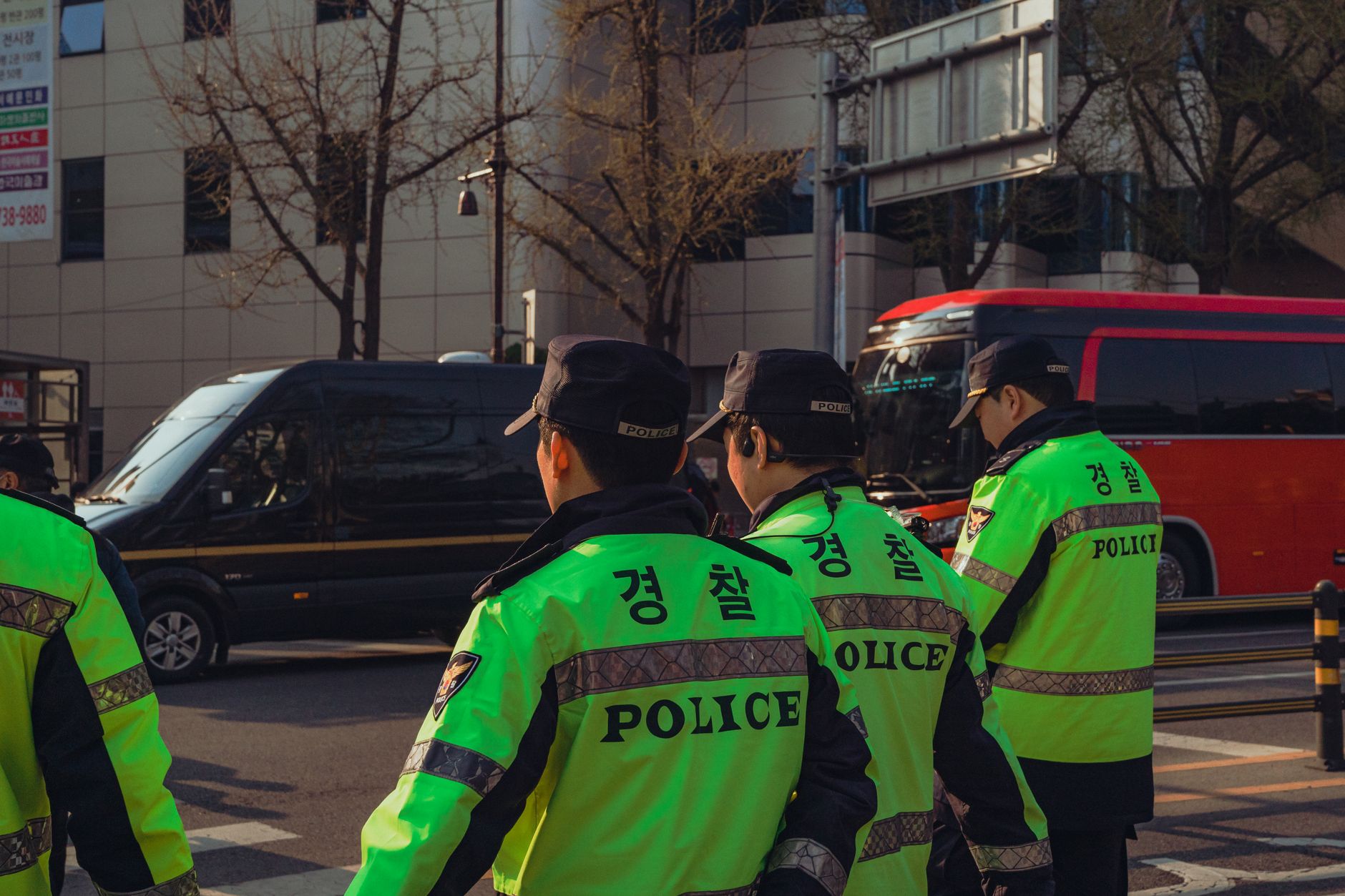
Staying Safe: Quick Contacts and Emergency Tips
You step out of the bustling Incheon International Airport, greeted by the crisp evening air and the soft, organized hum of Seoul. While South Korea is globally recognized as one of the safest countries for international students, knowing how to navigate emergencies is key to a stress-free educational tour. Street crime is exceptionally rare, and you will often see locals leaving their laptops and wallets unattended on cafe tables while they order. However, being prepared is your best travel asset.
For absolute peace of mind, save these vital emergency numbers on your phone before you depart. Dial 112 for the police and 119 for fire and medical emergencies. If you need immediate translation assistance or travel guidance, dial 1330—the Korea Travel Hotline, which offers 24/7 support in English, Hindi, and several other languages. We also recommend students download the "Emergency Ready" app, developed by the Korean government, which provides real-time disaster alerts and safety instructions in English.
Apps and SIM Cards for Seamless Navigation
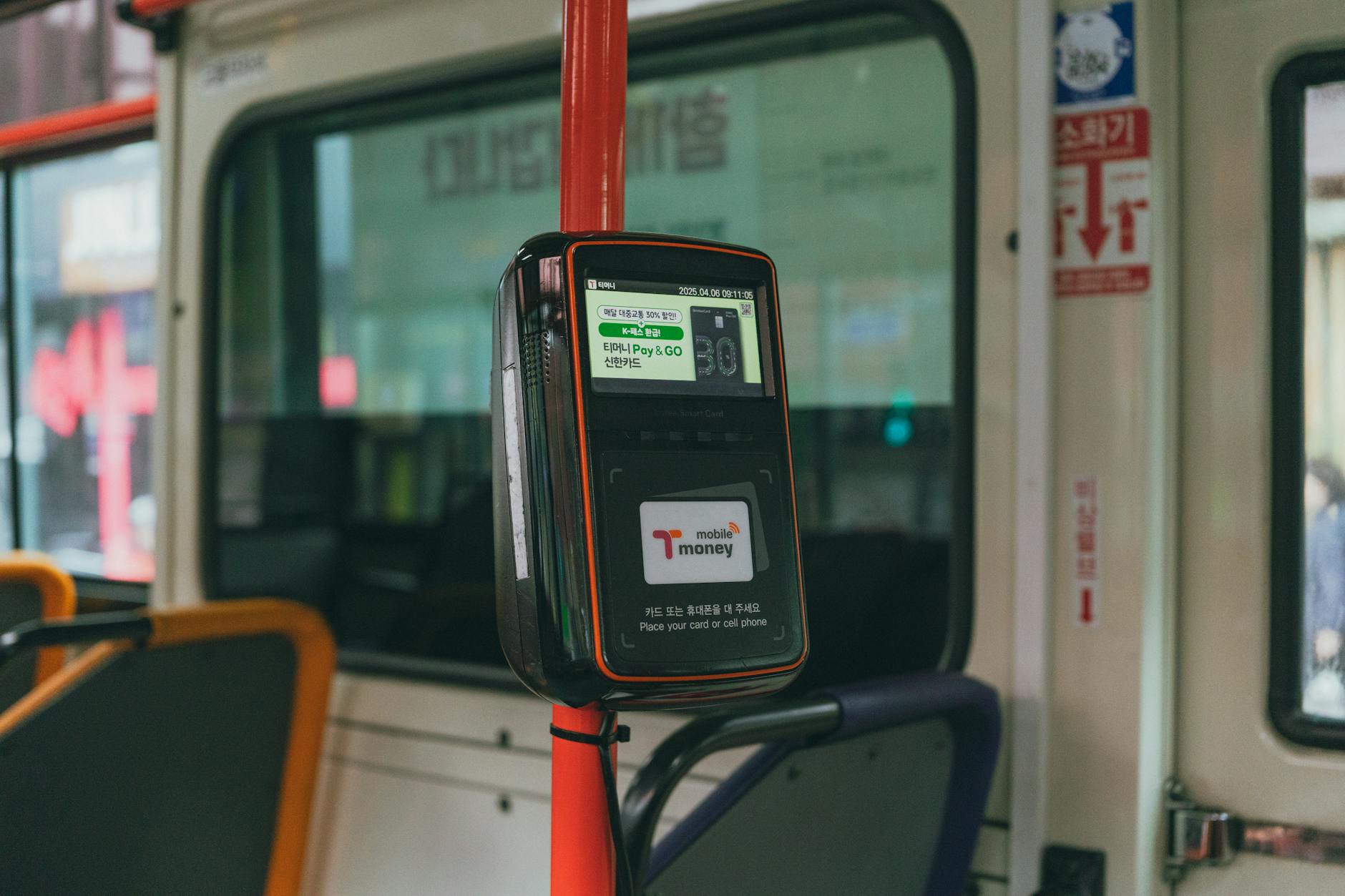
A sudden beep sounds as you tap your Tmoney card onto the subway turnstile, embarking on a swift ride across Seoul. To navigate like a local, you must know that standard Google Maps does not work reliably in South Korea due to national security data laws. Instead, instantly download Naver Map or KakaoMap. These highly detailed apps provide real-time bus arrivals, walking paths, and subway transfer details in English.
To stay connected, pre-book a local 4G/5G SIM card or eSIM online, which you can easily collect at Incheon Airport. For daily transit, the rechargeable Tmoney Card is your magic wand—it is used on all subways, public buses, and even in convenience stores. Simply top it up with cash at any subway station or convenience store to travel effortlessly throughout your study program.
Savoring Seoul: Finding Vegetarian and Indian Food
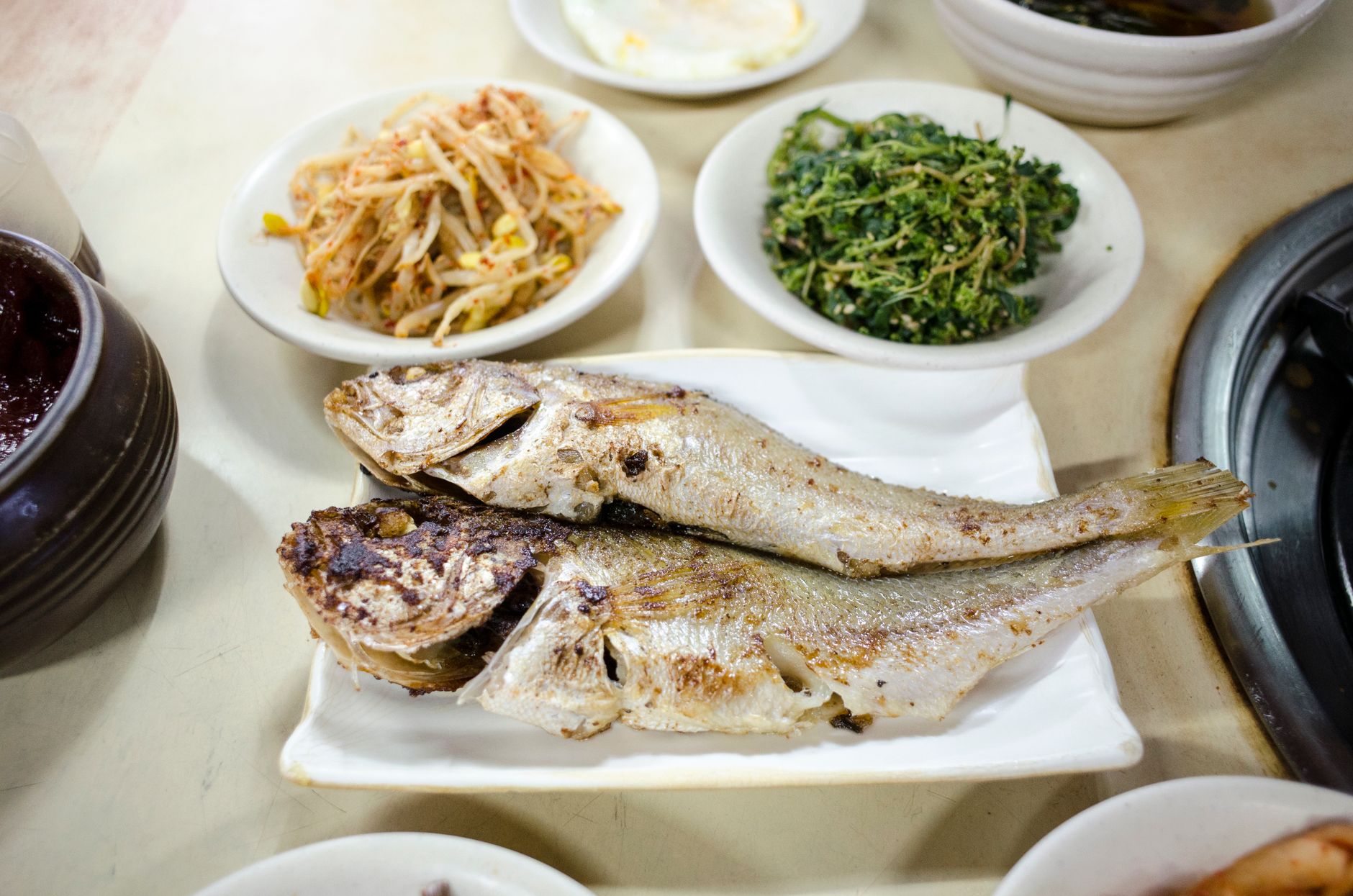
Steam rises from a beautiful stone bowl filled with colorful vegetables, sesame oil, and perfectly cooked rice. For Indian students, especially those who are strictly vegetarian, vegan, or follow Jain dietary restrictions, dining in Korea can initially seem daunting due to the popularity of meat and seafood. However, with a few smart strategies, you can eat wonderfully well. The secret word to remember is chaesik (vegetarian). When ordering, politely say "Gogi-neun ppeajooseyo" (Please remove the meat).
Korea’s traditional Buddhist temple food (sachal eumsik) is inherently vegan, incredibly healthy, and uses no garlic or onions, making it highly suitable for Jain travelers. For a taste of home, major cities like Seoul, Gyeongju, and Busan house exceptional, certified Indian restaurants serving authentic dal makhani, paneer, and fresh naan. Utilizing apps like HappyCow will help you locate vegetarian-friendly spots wherever your curriculum takes you.
Won and Cents: Budgeting and Payments for Students
The crisp rustle of colorful Korean Won banknotes accompanies your first purchase of traditional street-side tteokbokki. While South Korea is highly digitalized and cashless—with international debit and credit cards accepted almost everywhere—carrying a small amount of physical currency (KRW) is essential. You will need cash to top up your Tmoney transit card and to buy delicious treats at traditional markets.
For daily student budgeting, South Korea’s ubiquitous convenience stores (like CU, GS25, and 7-Eleven) are lifesavers. They offer affordable, high-quality snacks, triangle gimbap, fresh fruits, and warm meals. It is a fantastic way to keep your daily expenses low while experiencing local student culture firsthand.

Mind Your Manners: Korean Etiquette 101
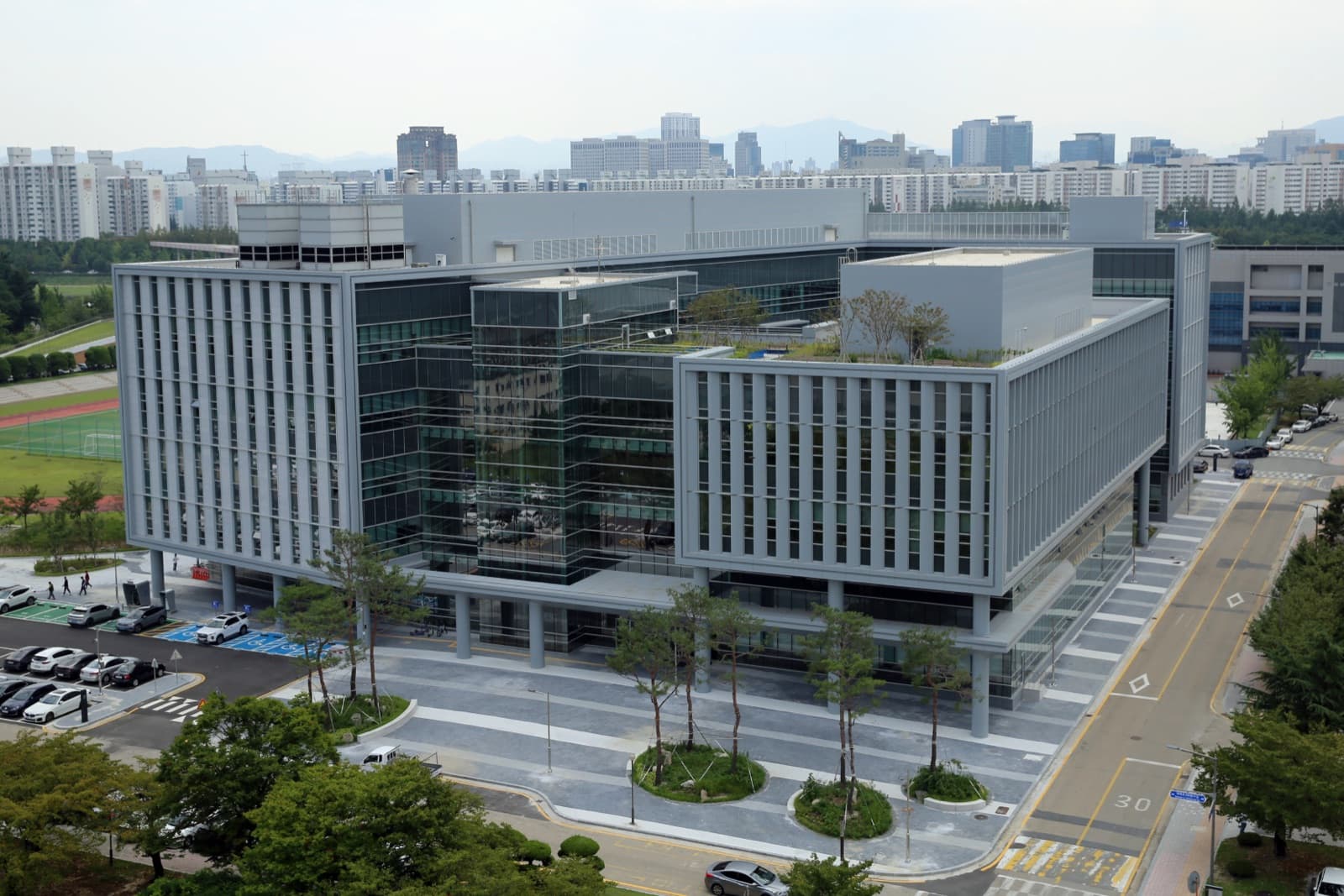
A soft bow and a two-handed exchange of a business card set a respectful tone for your educational visit to a high-tech Korean university. Respecting local customs is deeply appreciated in South Korea. When giving or receiving anything—whether it is a business card, cash, or a gift—always use both hands as a sign of respect. When boarding buses or subways, maintain a quiet demeanor; loud conversations or phone calls are considered impolite on public transit.
Furthermore, Korea takes waste disposal and recycling extremely seriously. You will notice separate bins for plastic, paper, cans, and food waste. Following these simple rules not only keeps your surroundings clean but also shows respect for the beautiful host country. Ready to give your students an unforgettable, safe, and culturally enriching experience in South Korea? Explore our educational Korea tour packages and let us handle all the logistics, from vegetarian meals to safe, guided transport.

Planning a Korea School Trip?
This story is connected to one of our tour packages. Explore the full itinerary and pricing.
Share this article