Korean Fried Chicken & Beyond: Indian Foodie Guide
한국에서 꼭 먹어야 할 음식: 인도 여행자를 위한 가이드

Photo by Luis Becerra Fotógrafo on Pexels
Korean Fried Chicken (Chikin)
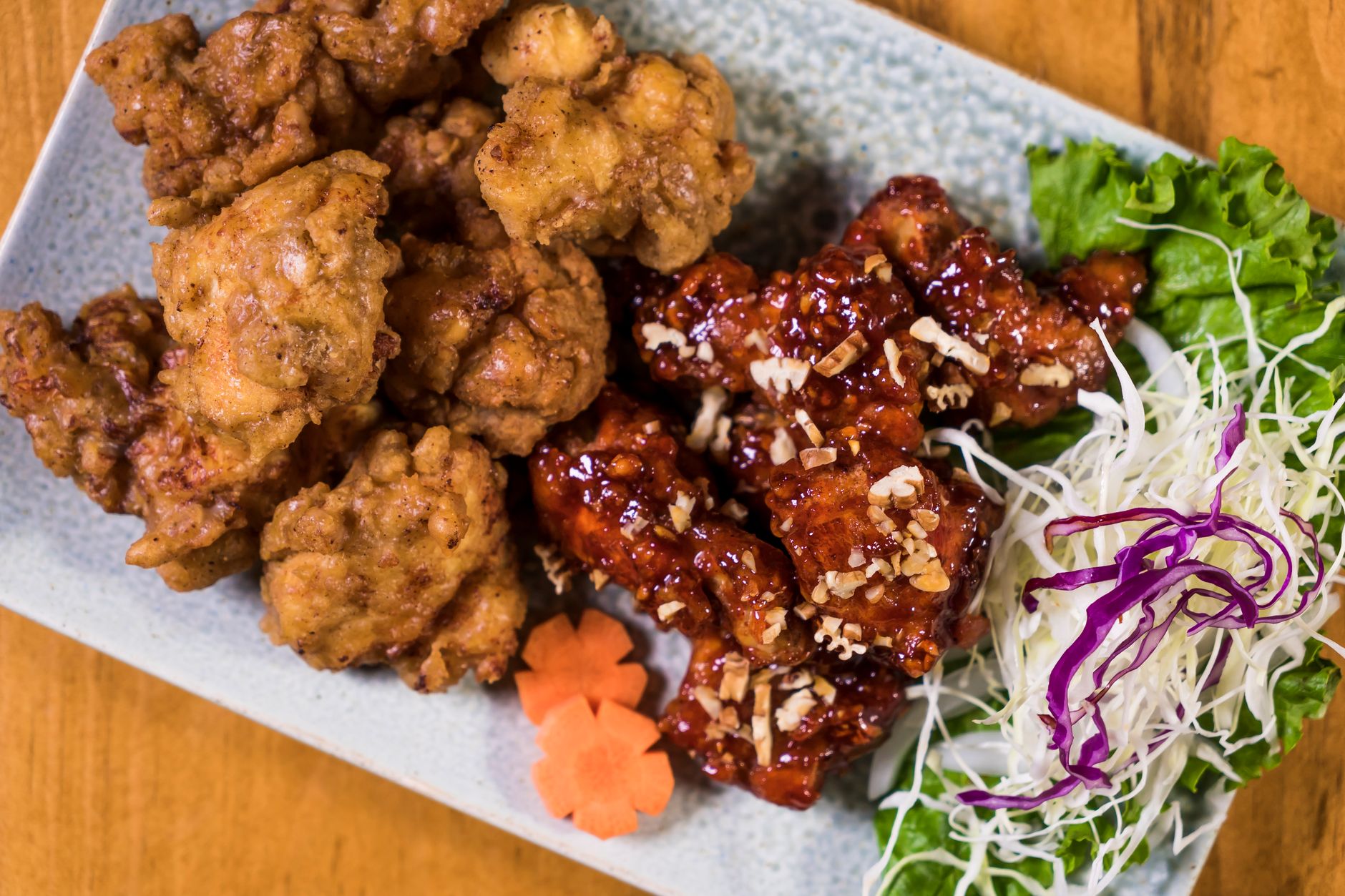
The golden crust crackles with a satisfying, loud crunch as you take your first bite, releasing a puff of steam and a burst of savory, sweet glaze. This isn't just fast food; it’s an art form. Korean fried chicken is famous for its double-frying technique, which renders out the fat and leaves the skin incredibly thin and ultra-crispy, even when drenched in sticky, glossy sauces.
For Indian travelers, chicken is a highly comforting and accessible option, free from beef or pork concerns. You can order it ban-ban (half-and-half)—usually half classic crispy huraideu (plain fried) and half yangnyeom (coated in a sweet, tangy, and mildly spicy gochujang-based glaze). Another popular option is ganjang (soy garlic), which offers a savory, umami-rich flavor profile that pairs wonderfully with a cold beverage.
You will find chicken joints on almost every corner in Seoul, with famous chains like BHC, Kyochon, and Goobne leading the pack. While the classic experience is strictly for meat-eaters, a growing number of vegan cafes in trendsetting neighborhoods like Hongdae and Itaewon now serve incredible plant-based "fried tofu" or cauliflower alternatives coated in the exact same legendary sweet-spicy sauces.
Mango Bingsu (Summer Shaved Ice)
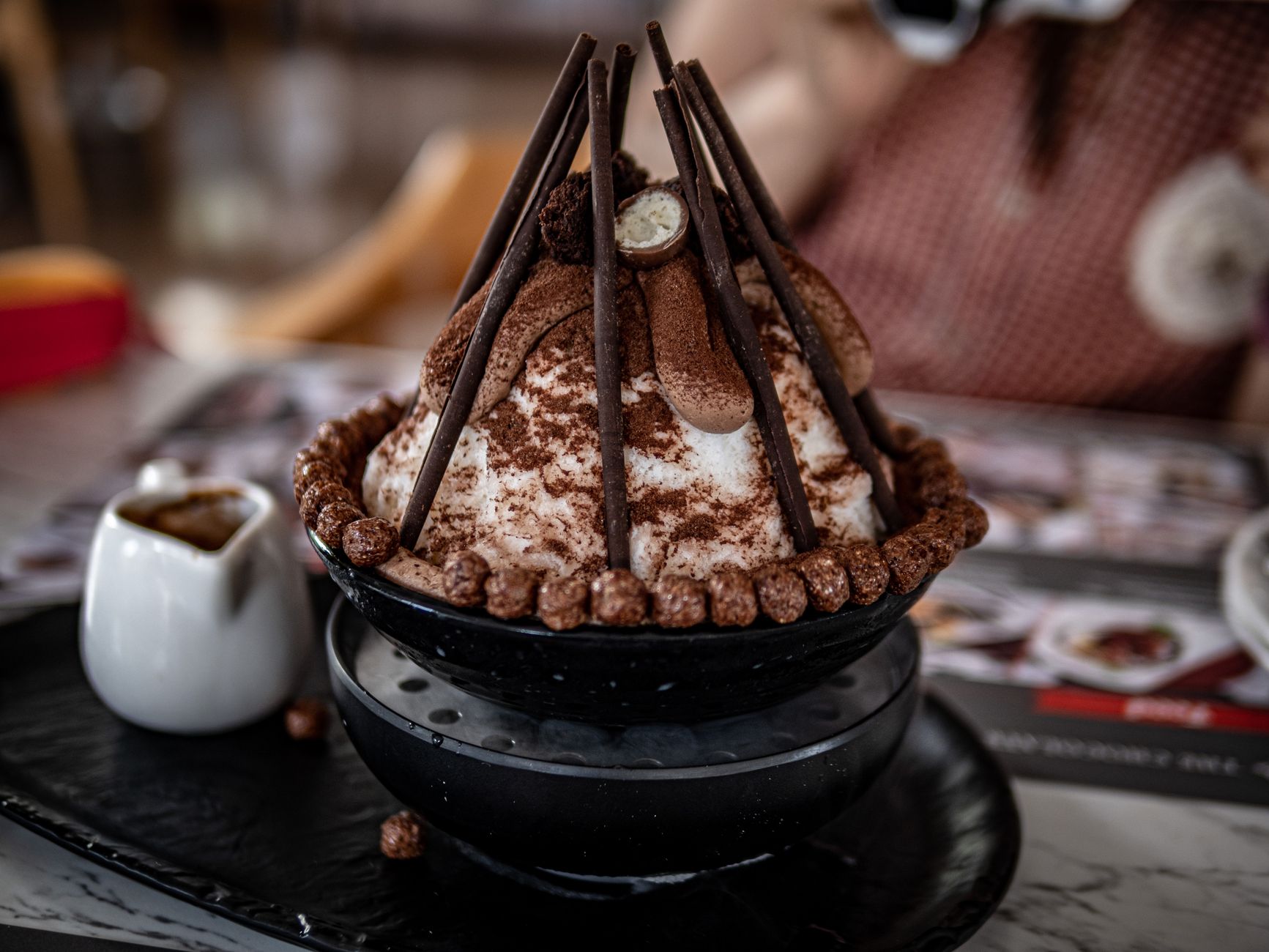
A mountain of snow-like shaved milk ice melts instantly on your tongue, followed by the lush, tropical sweetness of perfectly ripe mango chunks and a rich drizzle of condensed milk. Standing on a bustling street in Myeongdong under the hot August sun, this icy dessert is the ultimate relief. Unlike Western shaved ice, which uses crushed water ice and syrup, Korean bingsu is made by freezing milk or cream and shaving it into a texture as light and fluffy as fallen snow.
This is a dream come true for Indian travelers, especially during the warm summer months. It is 100% vegetarian and appeals directly to the Indian love for creamy, mango-infused desserts. Beyond mango, you can try the traditional patbingsu, which is topped with sweet, slow-cooked red beans, chewy tteok (rice cake slices), and a dusting of roasted soybean powder (injeolmi) that adds a delightful, nutty finish.
Head to Sulbing, South Korea's most famous dessert cafe chain, which has locations nationwide. Ensure you ask for eggless toppings if you follow a strict diet, though the standard fruit and milk bingsu options are naturally egg-free and gelatin-free, making them safe and incredibly satisfying.
Yachae Kimbap (Vegetable Rice Rolls)
The aroma of toasted sesame oil greets you before you even see the neatly sliced, colorful rounds arranged on a simple metal plate. Each bite of kimbap is a perfect harmony of textures: the chewy short-grain rice, the crisp crunch of yellow pickled radish (danmuji), the soft sweetness of braised carrots, and the earthy, savory seaweed wrapper (gim). It is the quintessential Korean comfort food—quick, nutritious, and incredibly delicious.
Kimbap is one of the most vegetarian-friendly dishes in Korea, provided you know how to order it. Standard kimbap often contains ham, crab stick, or fishcake. However, almost every local diner (gimbap-cheonguk) will happily roll a fresh batch of yachae kimbap (vegetable kimbap) for you on the spot.
To ensure your kimbap is completely vegetarian, use a simple translation phrase: "Ham-hago omuk-eun bpae-juseyo" (Please remove the ham and fishcake). For an entirely plant-based experience, visit specialized vegan kimbap shops in Seoul, such as Osegyehyang in Insadong, which offer delicious versions made with seasoned tofu or soy meat.

Tteokbokki (Spicy Rice Cakes)
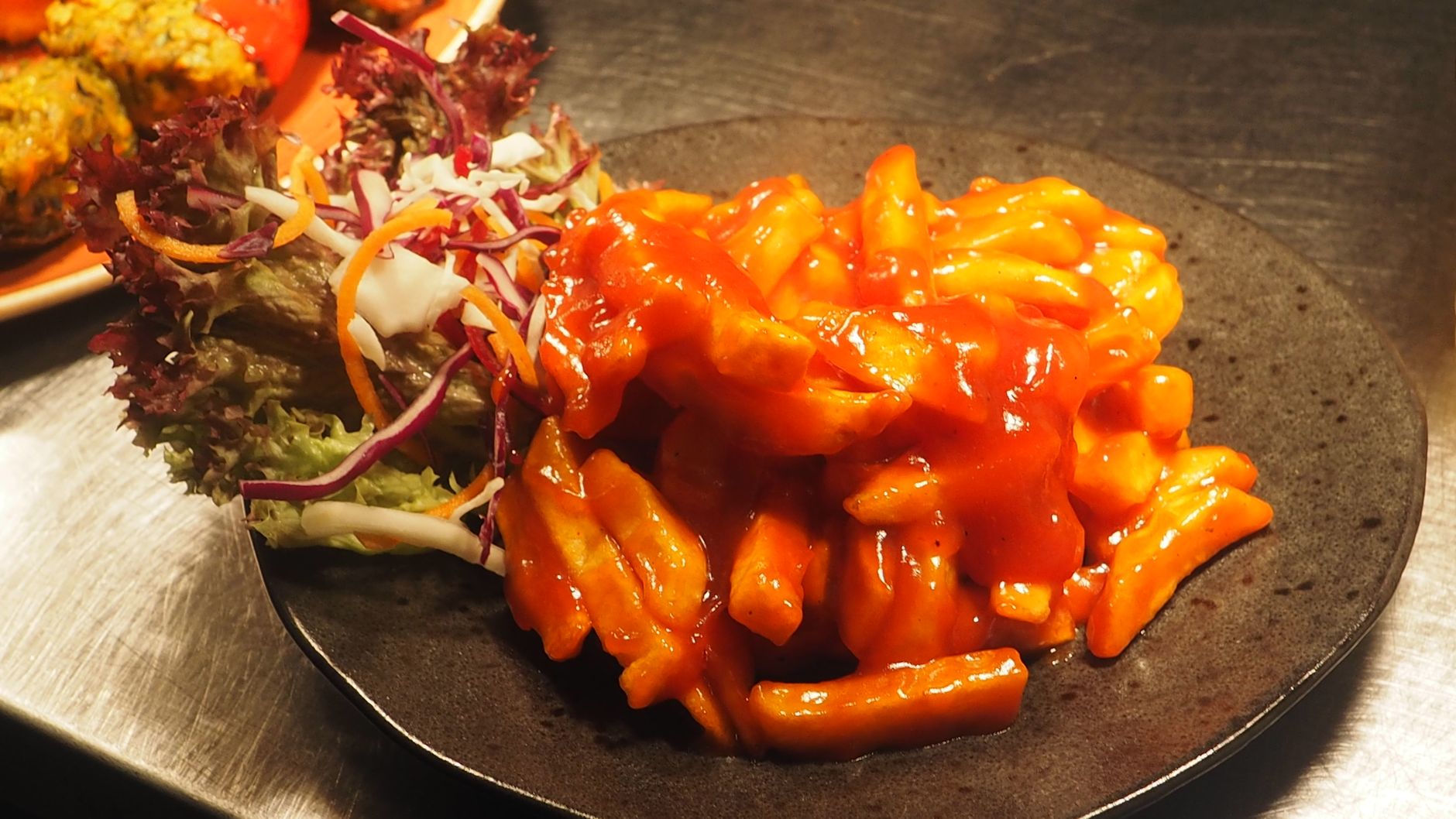
A thick, glossy, fiery-red sauce bubbles gently in a wide iron pan, coating plump, cylinder-shaped rice cakes that gleam under the bright lights of a traditional market stall. When you take a bite, the texture is incredibly chewy—what Koreans call "Q-texture"—releasing a slow, building heat that is balanced by a distinct, comforting sweetness.
For Indian foodies who crave bold flavors and high spice levels, tteokbokki is an absolute must-try. The heat comes from gochujang (fermented chili paste) and gochugaru (red pepper flakes), offering a depth of flavor that feels remarkably familiar yet excitingly new.
Street-style tteokbokki is ubiquitous in spots like Gwangjang Market or the specialized "Tteokbokki Town" in Sindang-dong. However, street vendors almost always use an anchovy-based broth and mix in fishcakes (eomuk). Vegetarian and vegan travelers should skip the street carts and head to modern, vegan-certified restaurants in Seoul like Maru Jaenam, where the broth is made strictly from kelp and mushrooms, allowing you to experience this legendary spice safely.
Japchae (Stir-Fried Glass Noodles)
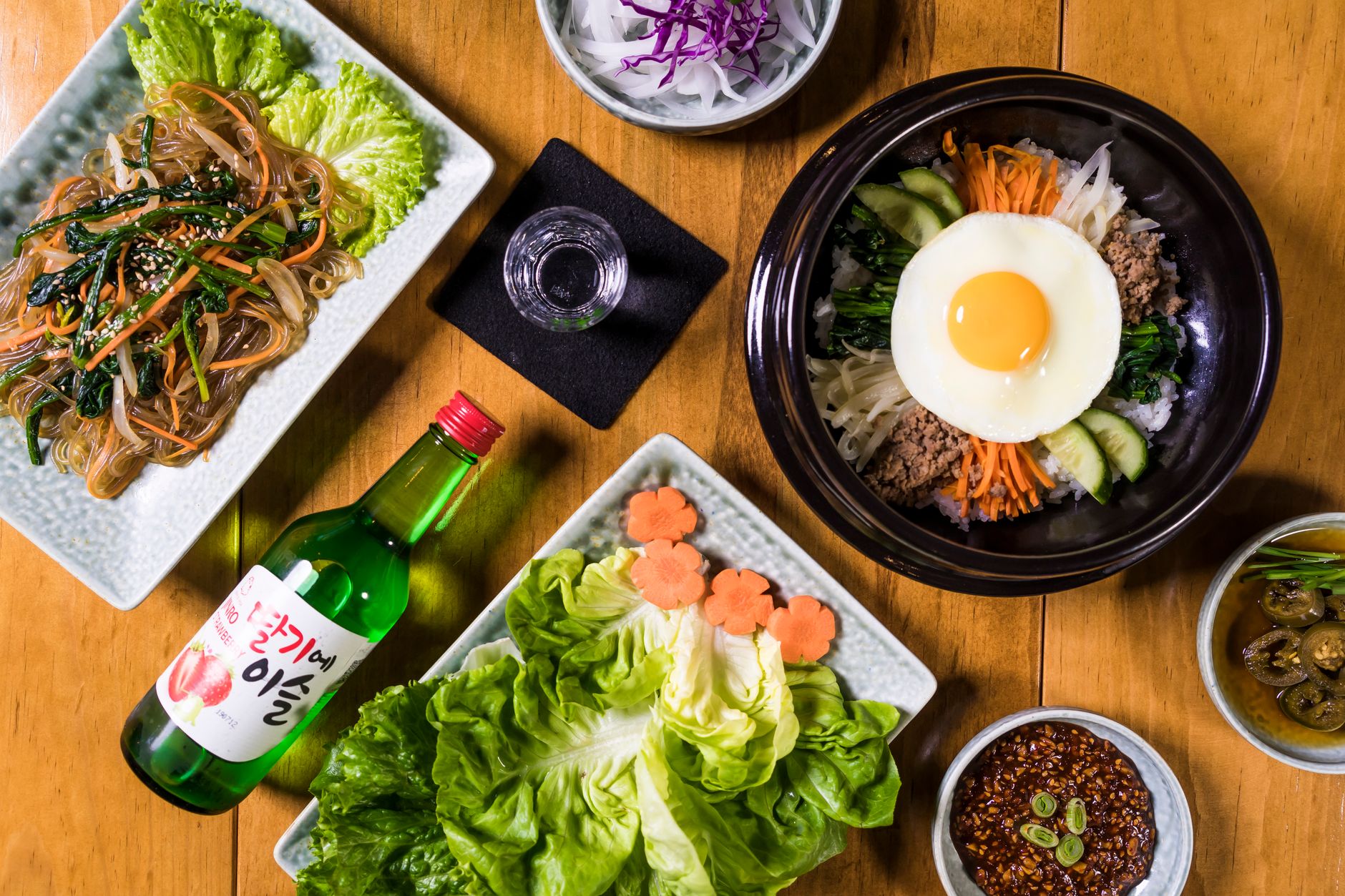
Glistening, translucent noodles dance between your chopsticks, tangled with vibrant green spinach, bright orange carrots, earthy shiitake mushrooms, and toasted sesame seeds. The first bite reveals a delicate balance of sweet soy sauce, rich sesame oil, and a subtle hint of garlic. Unlike heavy wheat noodles, these are made from sweet potato starch, giving them a uniquely springy, slippery, and light texture that doesn't feel heavy even on a warm summer day.
Japchae is a festive dish historically served to royalty, making it a wonderful introduction to traditional Korean flavors. It is naturally gluten-free and highly customizable, making it a fantastic safe haven for Indian travelers looking for a comforting, non-spicy meal.
You can find japchae at traditional Korean restaurants, temple food establishments, and market stalls. While it is often garnished with small strips of beef, you can easily request it without meat by saying "gogi-bpae-go juseyo" (please make it without meat). For a truly magnificent, pure-vegetarian (and onion/garlic-free Jain-friendly) version, book a meal at Balwoo Gongyang, a Michelin-starred restaurant in Seoul run by the Jogye Order of Korean Buddhism, which specializes in authentic temple cuisine.
Ready to embark on the ultimate culinary and cultural journey through the Land of the Morning Calm? Explore our Seoul-Gyeongju-Jeju cultural tour packages to discover authentic Korean dining, stunning historic temples, and modern wonders with expert, Indian-friendly guides.
Planning a Korea School Trip?
This story is connected to one of our tour packages. Explore the full itinerary and pricing.
Share this article