Summer Travel Guide to South Korea for Indian Visitors
무더위 타파: 인도 여행객을 위한 한국 여름 여행 가이드
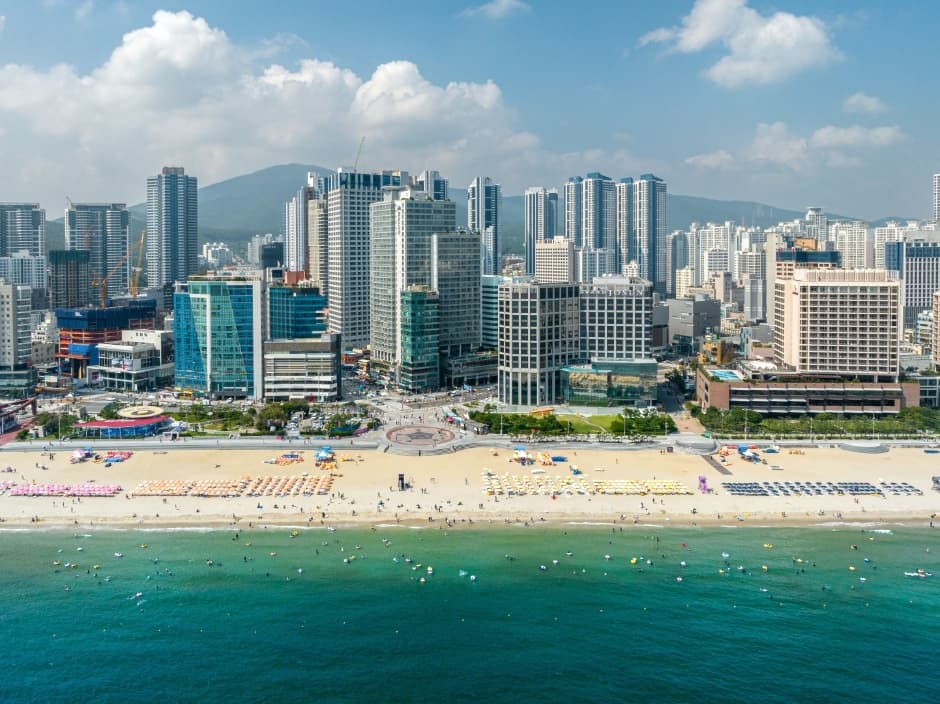
사진 제공: 한국관광공사
Chasing Cicadas and Ocean Breezes: The Magic of Korean Summer
The high-pitched, rhythmic hum of cicadas echoes through the lush canopy of Namsan Park, while a sudden, refreshing mountain breeze cuts through the afternoon warmth. Summer in South Korea, spanning from June to August, is a season of incredible vitality. For Indian travelers, this time of year offers a spectacularly green landscape, vibrant coastal escapes, and dynamic festivals that bring the country to life. It is a season of pure energy, where long sunny days allow for extensive sightseeing, and the evenings come alive with bustling night markets and outdoor performances.
While many associate summer with intense heat, South Korea's summer has a distinct character defined by the "jangma" or monsoon season, which usually occurs from late June to mid-July. Unlike the prolonged monsoons in India, Korea's rainy season often features heavy but brief downpours interspersed with bright, sunny intervals. Understanding this seasonal cycle is the key to unlocking a magical summer vacation, allowing you to experience the country's natural beauty when its forests, tea fields, and historic gardens are at their most lush and breathtaking.

Weathering the Humidity: Smart Packing Tips for Indian Climates
The crisp, airy texture of lightweight linen brushes against your skin as you step out, and a small, portable hand-fan provides a welcoming breeze against the humid afternoon air. While Indian travelers are highly accustomed to hot climates, Korea's summer presents a unique challenge: high humidity. Temperatures generally range between 25°C and 35°C, but the moisture in the air can make it feel significantly warmer, especially during walking tours in historic cities like Gyeongju or Seoul.
To stay comfortable, pack breathable, loose-fitting cottons, linens, and light-colored clothing. A compact, sturdy umbrella is an absolute must-have in your daypack, doubling as protection against both sudden rain showers and the intense midday sun. Opt for comfortable, waterproof sandals or quick-drying walking shoes, as you will be doing plenty of exploring on foot. Additionally, remember to dress respectfully when visiting traditional sites; while casual summer wear is perfectly fine, extremely revealing clothes are frowned upon when entering sacred Buddhist temples or participating in school exchange programs.

Golden Nights and Coastal Escapes: Must-See Summer Events
Golden lanterns flicker against the dark wooden eaves of Gyeongbokgung Palace, casting long, romantic shadows over the stone courtyards as the cool night air rustles through the ancient pine trees. One of the greatest secrets to enjoying a Korean summer is shifting your exploration to the twilight hours. The Gyeongbokgung Palace Night Viewing is an extraordinary seasonal event where the royal grounds are illuminated, offering a mesmerizing, cooler alternative to daytime sightseeing. Walking through the quiet, glowing corridors in a traditional Hanbok is an unforgettable experience for students and families alike.
For those seeking coastal relief, the vibrant shores of Haeundae Beach in Busan offer a breathtaking escape. As South Korea's most famous beach, it becomes a hub of summer activity, featuring water sports, beachside concerts, and the nearby bustling Haeundae Traditional Market where you can enjoy local street atmosphere. Alternatively, nature lovers can travel to Gyeongju to witness the spectacular blooming of thousands of pink and white lotus flowers at Donggung Palace and Wolji Pond, creating a dreamlike landscape that makes for stunning photography.

Chilled and Nutty: Vegetarian-Friendly Korean Summer Cuisine
Condensation drips slowly down a stainless steel bowl filled with thick, chewy wheat noodles submerged in a creamy, velvety-white cold soy milk broth, garnished with a crisp slice of cucumber. This is Kongguksu, South Korea's ultimate summer comfort food. For Indian travelers—especially those who follow a vegetarian, vegan, or Jain diet—Kongguksu is a revelation. It is entirely vegetarian, naturally high in protein, and incredibly refreshing, offering a savory, nutty flavor profile that instantly cools the body from the inside out.
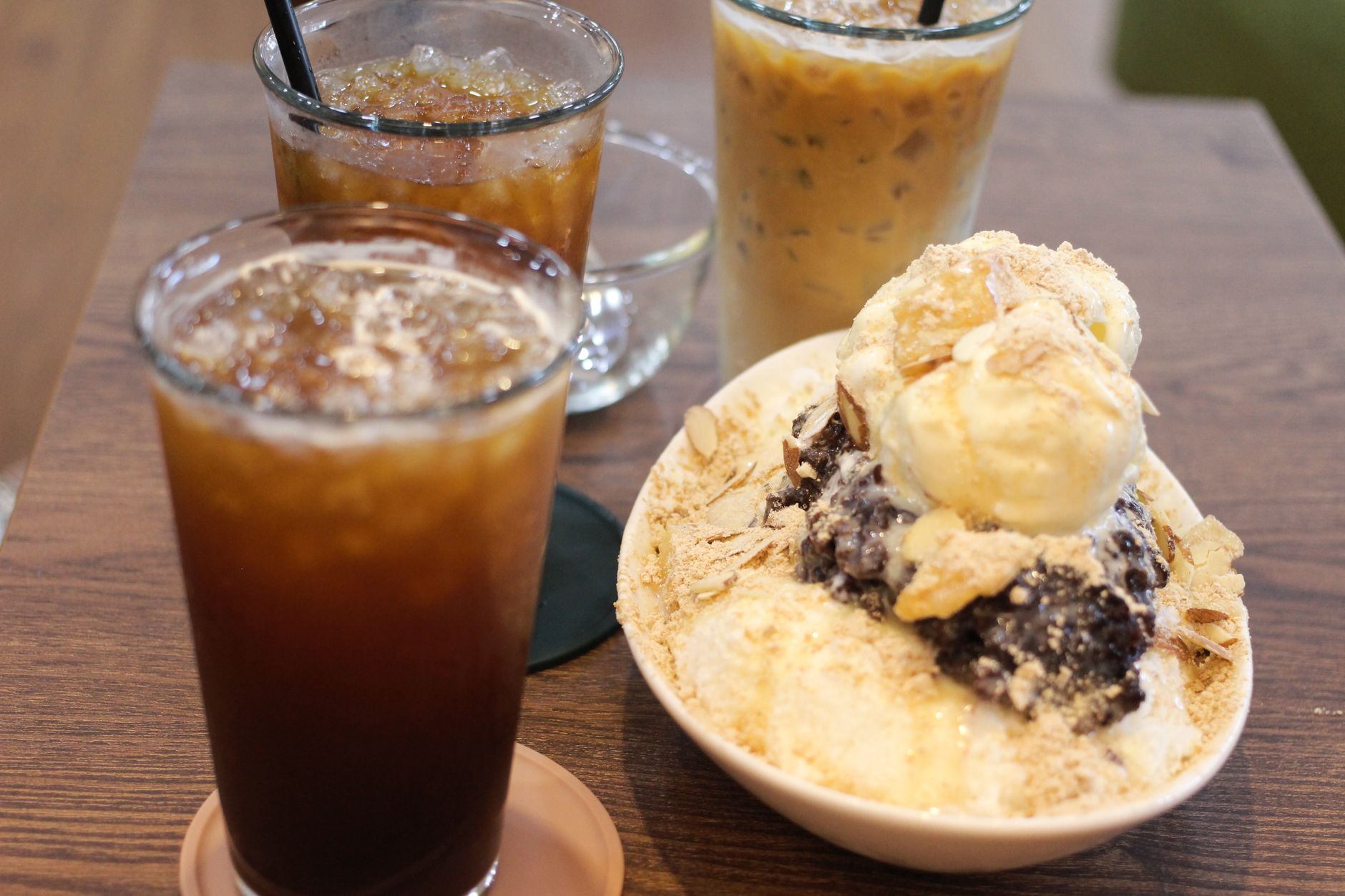
To satisfy your sweet tooth, nothing beats Patbingsu, the iconic Korean dessert of shaved ice topped with sweet red beans, chewy tteok (rice cakes), and condensed milk. Modern variations feature fresh mangoes, strawberries, or green tea ice cream, making it a delightful treat for students and families to share after a long day of sightseeing. When dining out, remember that while traditional Korean cuisine uses fish sauce or meat broths in many side dishes, major cities are highly accommodating. Simply sharing the phrase "gogi eopsi" (without meat) or dining at traditional temple food restaurants will open up a world of clean, delicious, and culturally rich plant-based dining.
Navigating the Summer Rush: Smart Planning for Groups and Families
The sudden blast of crisp, air-conditioned air welcomes you as you step inside the soaring, glass-paneled atrium of the National Museum of Korea, instantly leaving the midday humidity far behind. Navigating a summer trip requires strategic planning, particularly between late July and early August, when South Koreans embark on their annual summer vacations ("vacance"). During this peak season, popular tourist hubs, high-speed KTX trains, and coastal resorts can become highly crowded, and booking transport and accommodation well in advance is essential for a seamless group journey.
A smart way to beat the heat is to balance outdoor historical excursions with world-class indoor attractions during the hottest hours of the day, typically between 2 PM and 4 PM. Explore the massive Starfield COEX Mall, dive into the interactive exhibits of Seoul's grand museums, or enjoy indoor edutainment centers. Always stay hydrated by grabbing refreshing, unsweetened barley tea (boricha) from the nearest 24-hour convenience store, a favorite local remedy for summer thirst.
At KoreaEdu Tours, we specialize in organizing seamless, educational, and culturally rich journeys for school groups, educators, and families. Our dedicated team manages all logistics, from high-speed train bookings to securing English-speaking guides and coordinating strictly vegetarian or Jain-friendly meal plans. Ready to embark on a vibrant summer adventure through Seoul's historic palaces, Gyeongju's royal relics, and Jeju's volcanic wonders? Explore our Seoul-Gyeongju-Jeju Package today and let us handle all the details for an unforgettable, stress-free educational vacation!

Planning a Korea School Trip?
This story is connected to one of our tour packages. Explore the full itinerary and pricing.
Share this article