Japchae & More: Korean Food Guide for Indian Travelers
잡채부터 빙수까지: 인도 여행객을 위한 한국 음식 가이드

Photo by Luis Becerra Fotógrafo on Pexels
Japchae (잡채): Glossy Stir-Fried Glass Noodles
Steam rises from a polished brass dish, carrying the rich, nutty fragrance of toasted sesame oil and garlic. Translucent sweet potato glass noodles glisten softly, woven through with vibrant orange carrots, dark wood ear mushrooms, spinach, and sweet caramelized onions. Every chopstick lift offers an inviting feast for the eyes before you take your first bite.
Savoring Japchae is an exercise in texture and balance. The springy, bouncy sweet potato noodles (dangmyeon) offer a satisfying chew, while flash-sautéed vegetables lend a delicate fresh crunch. Seasoned with dark soy sauce, a touch of honeyed sweetness, and sesame seeds, it strikes a savory harmony without fiery chilli heat, making it universally loved across generations.
Indian Traveler Notes: Japchae is naturally gluten-free and one of the easiest dishes to enjoy as a vegetarian in Seoul. Simply request "gogi eobsi Japchae" (Japchae without meat). For Jain travelers, many traditional Hanok teahouses and temple-cuisine eateries prepare it without garlic or onions ("maneul-gwa yangpa eobsi"), highlighting pure sesame and mushroom flavors. You can savor authentic Japchae in Seoul's historic Insadong neighborhood or bustling Gwangjang Market.

Dolsot Bibimbap (돌솥비빔밥): Sizzling Stone Bowl Rice
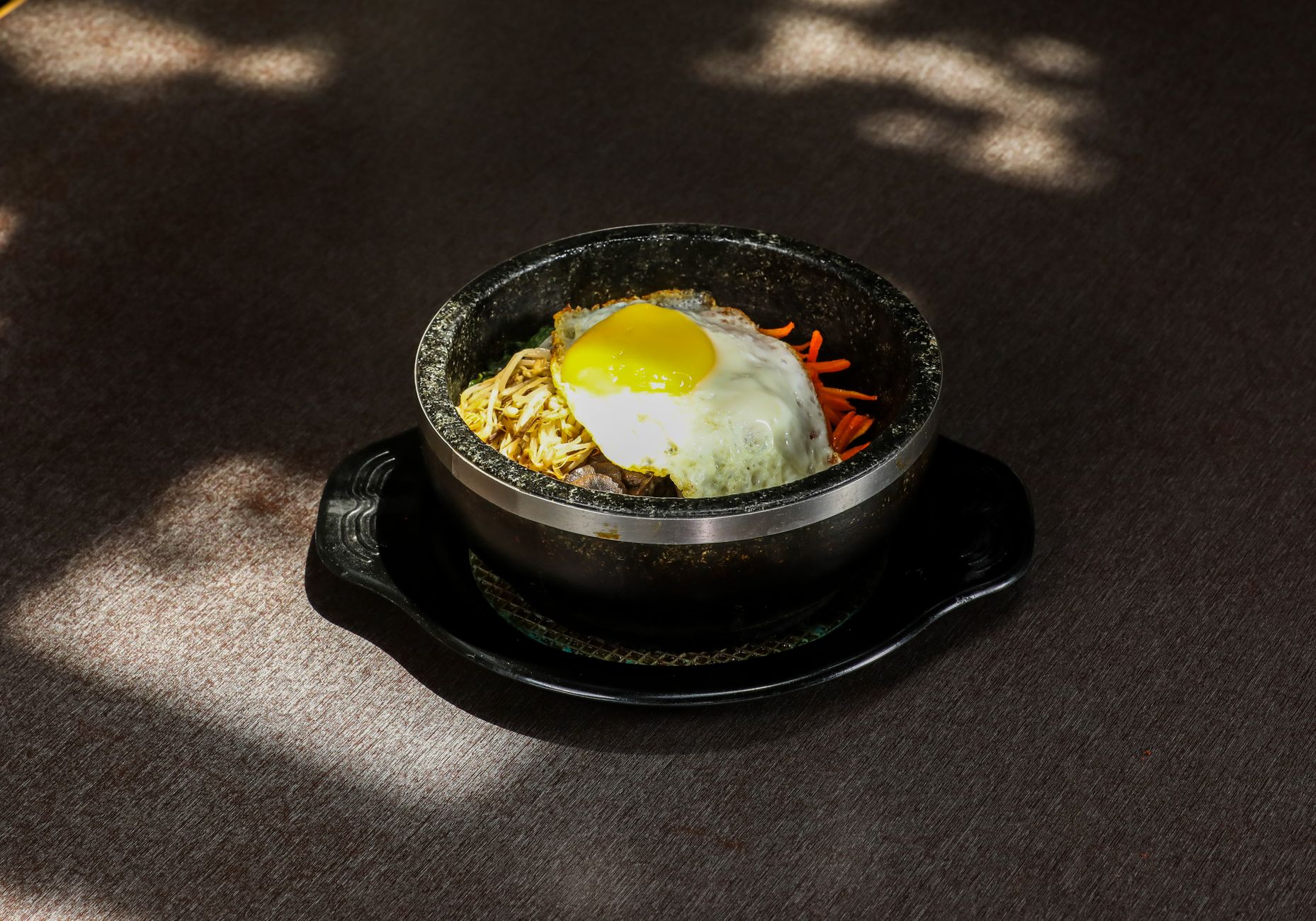
A heavy black granite bowl arrives at your wooden table crackling with energy, radiating heat that crisps sesame oil into a golden shell beneath white rice. Arranged atop like a painter's palette are neatly partitioned mounds of seasoned fern bracken, tender bean sprouts, zucchini, shiitake mushrooms, and a glowing crimson dollop of savory pepper sauce.
Stirring the bowl with a long metal spoon releases a fragrant puff of savory steam. As you mix, the ingredients meld into a textured masterpiece, where soft warm vegetables and spicy sauce contrast with the irresistible crunch of scorched rice (nurungji) scraped from the bottom of the bowl.
Indian Traveler Notes: Bibimbap is an Indian traveler's best friend in South Korea due to its complete customizability. Order "chaeshik dolsot bibimbap" for a 100% vegetarian bowl. Jain diners can ask for a version made exclusively with leaf greens, cucumber, zucchini, and sesame oil, skipping root vegetables and garlic. You control the spice level yourself by adding as little or as much gochujang chili paste as you prefer.
Gamja-jeon (감자전): Crispy Golden Potato Pancakes
The sizzle of iron skillets greets you before you even cross the threshold of a traditional neighborhood tavern. Gamja-jeon arrives piping hot—a golden-brown disc with laced, crispy edges that shatter softly under the press of your chopsticks, filling the air with the earthy aroma of roasted potato and toasted sesame oil.
The contrast of textures makes this simple dish unforgettable: an ultra-crispy exterior giving way to a soft, comforting, slightly chewy interior. Served alongside a shallow dipping dish of soy sauce infused with a dash of rice vinegar and toasted sesame, each bite delivers a perfectly balanced savory bite.
Indian Traveler Notes: Gamja-jeon is naturally 100% vegetarian and inherently Jain-friendly! Made purely from finely grated potatoes, starch, and salt pan-fried in vegetable oil, it contains no eggs, meat, onions, or garlic unless garnished with scallions (which you can easily ask to omit). Reminiscent of a spiced Indian potato tikki or crisp rosti, it is an instant comfort food for Indian students and families exploring Seoul during crisp autumn afternoons.
Tteokbokki (떡볶이): Chewy Rice Cakes in Sweet-Spicy Sauce
In wide flat pans simmering over street-stall burners, cylinder-shaped white rice cakes bathe in a glossy crimson sauce. The vibrant red broth glazes each chewy cake as vendor steam wraps around evening street food alleys in Myeongdong and Hongdae.
Biting into a piece reveals an addictively dense and chewy rice flour texture (tteok). The sauce delivers an initial wave of smoky sweetness followed by a slow, creeping chili heat that leaves your palate tingling for another bite.
Indian Traveler Notes: While standard street food Tteokbokki is often simmered in an anchovy kelp broth alongside fish cakes (eomuk), Indian travelers seeking vegetarian options should look for dedicated plant-based street vendors or modern vegan cafes around Hongdae and Seongsu-dong. For spice-loving Indian travelers, the chili profile of gochugaru pepper flakes feels delightfully familiar and satisfying!
Sundubu-jjigae (순두부찌개): Spicy Silken Tofu Stew
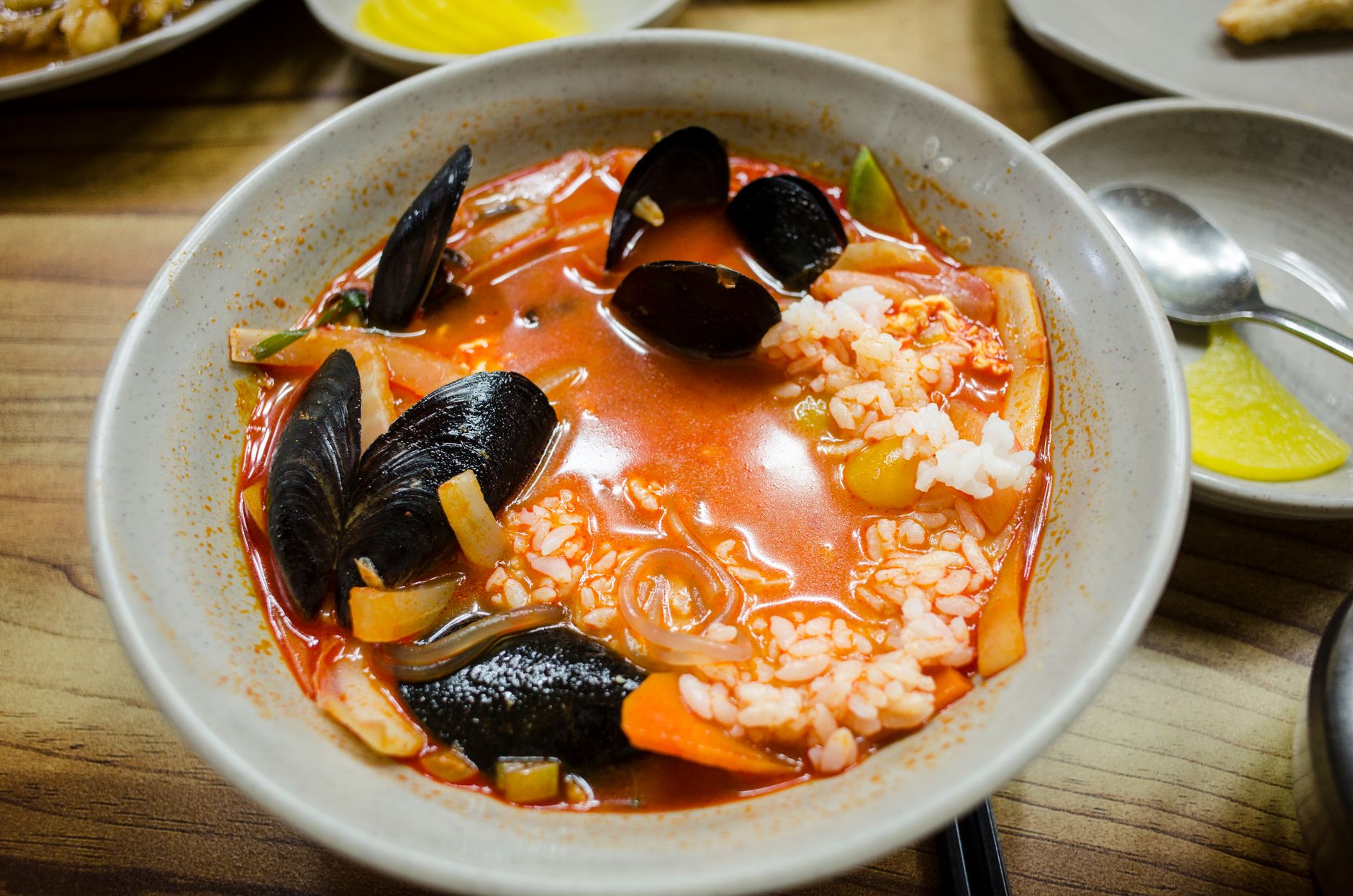
Served bubbling violently in an unglazed earthenware pot (ttukbaegi), this fiery orange-red stew arrives with an intoxicating aroma of chili oil, sesame, and rich soy umami. Silken clouds of extra-soft tofu float effortlessly amid enoki mushrooms, tender zucchini slices, and spring onions.
The feather-light tofu dissolves instantly on your tongue, coating your mouth in warm, creamy comfort while absorbing the fiery, robust notes of the chili-infused broth. Paired with a bowl of warm purple rice (heukmi-bap), it provides the ultimate warming soul food on a brisk autumn evening.
Indian Traveler Notes: Traditional Sundubu-jjigae frequently contains seafood or pork broth, so vegetarian and Jain visitors should specifically request "Yachae Sundubu-jjigae" (vegetable soft tofu stew) made with a pure kelp and shiitake mushroom stock. When prepared vegetarian, its rich, comforting spiced gravies feel wonderfully reminiscent of Indian paneer or tofu curries, making it an absolute favorite among visiting student groups.

Patbingsu (팥빙수): Snow-Fine Shaved Ice Dessert
A grand brass bowl arrives laden with a mountain of shaved milk ice as soft and delicate as fresh powder snow. Nestled atop are spoonfuls of glossy sweetened red beans, miniature chewy rice cake cubes (tteok), a dusting of golden roasted soybean powder (injeolmi), and a gentle drizzle of condensed milk.
Each spoon delivers a cooling sensation as the snow melts instantly, leaving behind velvety creaminess balanced by the nutty, earthy richness of roasted soybean powder and gentle bean sweetness. It is refreshing, light, and deeply satisfying after a day of walking through palace grounds.
Indian Traveler Notes: Patbingsu is naturally vegetarian and Jain-compliant, containing no egg, meat, or root vegetables. For lactose-sensitive or vegan diners, many popular dessert chains like Sulbing offer coconut milk or pure fruit ice variations topped with fresh mango, melon, or berries. It is a delightful culinary treat that appeals instantly to Indian sweet tooth sensibilities.
Ready to taste authentic Japchae and explore Seoul's culinary wonders with your school or group? Explore our 5-Day Seoul Educational Student Tour package to experience South Korea's vibrant food culture and historic sights firsthand!

Planning a Korea School Trip?
This story is connected to one of our tour packages. Explore the full itinerary and pricing.
Share this article