5 Must-Try Korean Foods: An Indian Traveler's Guide
인도 여행객을 위한 필수 한국 음식 5선

Photo by makafood on Pexels
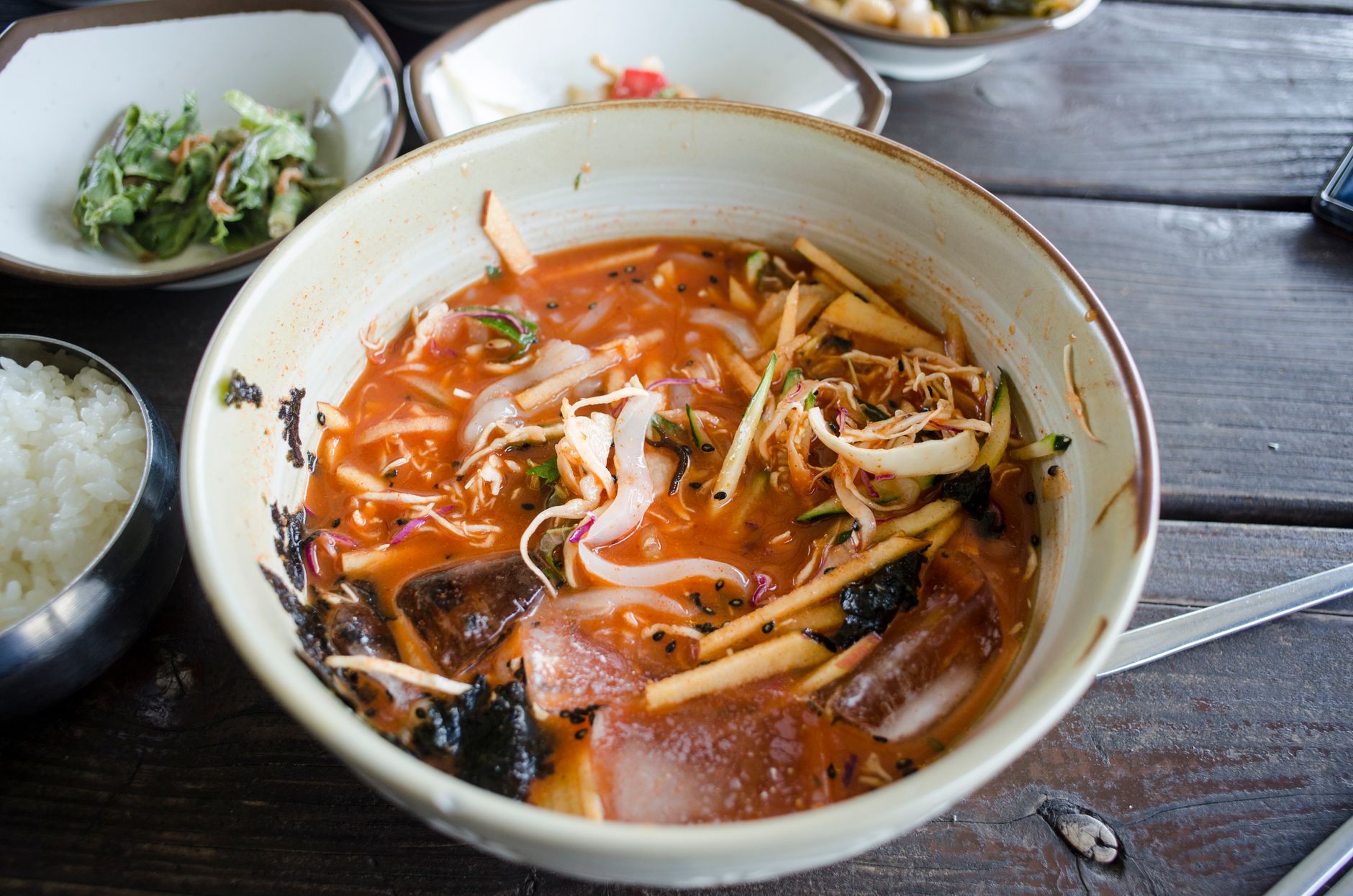
Mul-Naengmyeon (물냉면)
Imagine stepping off the bustling streets of Seoul on a crisp autumn afternoon and being presented with a stainless steel bowl glistening with condensation. Inside, ice cubes gently clink against chewy buckwheat noodles submerged in a crystal-clear, tangy broth, topped with thin slices of cucumber, Korean pear, and a boiled egg. This is Mul-Naengmyeon, Korea's legendary cold noodle soup. Originating from the northern regions of the peninsula, this dish is a sensory masterpiece that balances savory, sweet, and vinegary notes in a single refreshing sip.
For Indian travelers, cold noodles might seem like an unusual concept at first, but the flavor profile is wonderfully familiar. The refreshing tang of the broth, combined with mustard paste and vinegar added at the table, shares a surprising sensory DNA with Indian street classics like jaljeera or cold pani puri. It is incredibly refreshing and acts as the perfect palate cleanser after a long day of exploring historic palaces and high-tech museums.
Indian Traveler Note: Traditional naengmyeon broth is made from beef (yuksu). However, vegetarian and vegan versions are increasingly available in Seoul, especially in cultural hubs like Insadong and Hongdae. Many traditional spots can serve it using dongchimi (a refreshing radish water kimchi broth) as a base. When ordering, you can ask for "gogi-eopsi" (without meat) and request a water-kimchi broth. Jains should note that radish is a root vegetable, so this dish is best avoided or customized at specialized Buddhist temple restaurants.
Bibimbap (비빔밥)
Hear the dramatic sizzle of a hot stone pot (dolsot) as it arrives at your table, releasing the nutty, rich aroma of toasted sesame oil. Inside, a colorful mandala of julienned vegetables—vibrant orange carrots, green spinach, earthy mushrooms, and golden beansprouts—rests on a bed of warm white rice, crowned with a dollop of deep red gochujang (chili paste). Bibimbap is not just a meal; it is a beautifully balanced ritual of mixing textures, temperatures, and flavors into a harmonious bite.
This dish is an absolute favorite for Indian school groups, families, and solo adventurers alike because of its incredible versatility. The warmth of the stone pot cooks the rice to a perfect, crispy crust at the bottom, mimicking the comforting textures of Indian pulao or biryani. The spicy kick of gochujang provides a familiar heat that Indian palates naturally crave, making it an easy transition into authentic Korean cuisine.
Indian Traveler Note: Bibimbap is the most vegetarian-friendly dish in Korea. You can easily customize it by requesting it without minced beef ("gogi-eopsi") and without egg ("gyeran-eopsi"). For Jains, while standard bibimbap contains root vegetables like carrots and radish, you can dine at authentic Buddhist temple restaurants in Seoul, such as the renowned Balwoo Gongyang, where all meals are prepared strictly without root vegetables, garlic, or onions.
Tteokbokki (떡볶이)
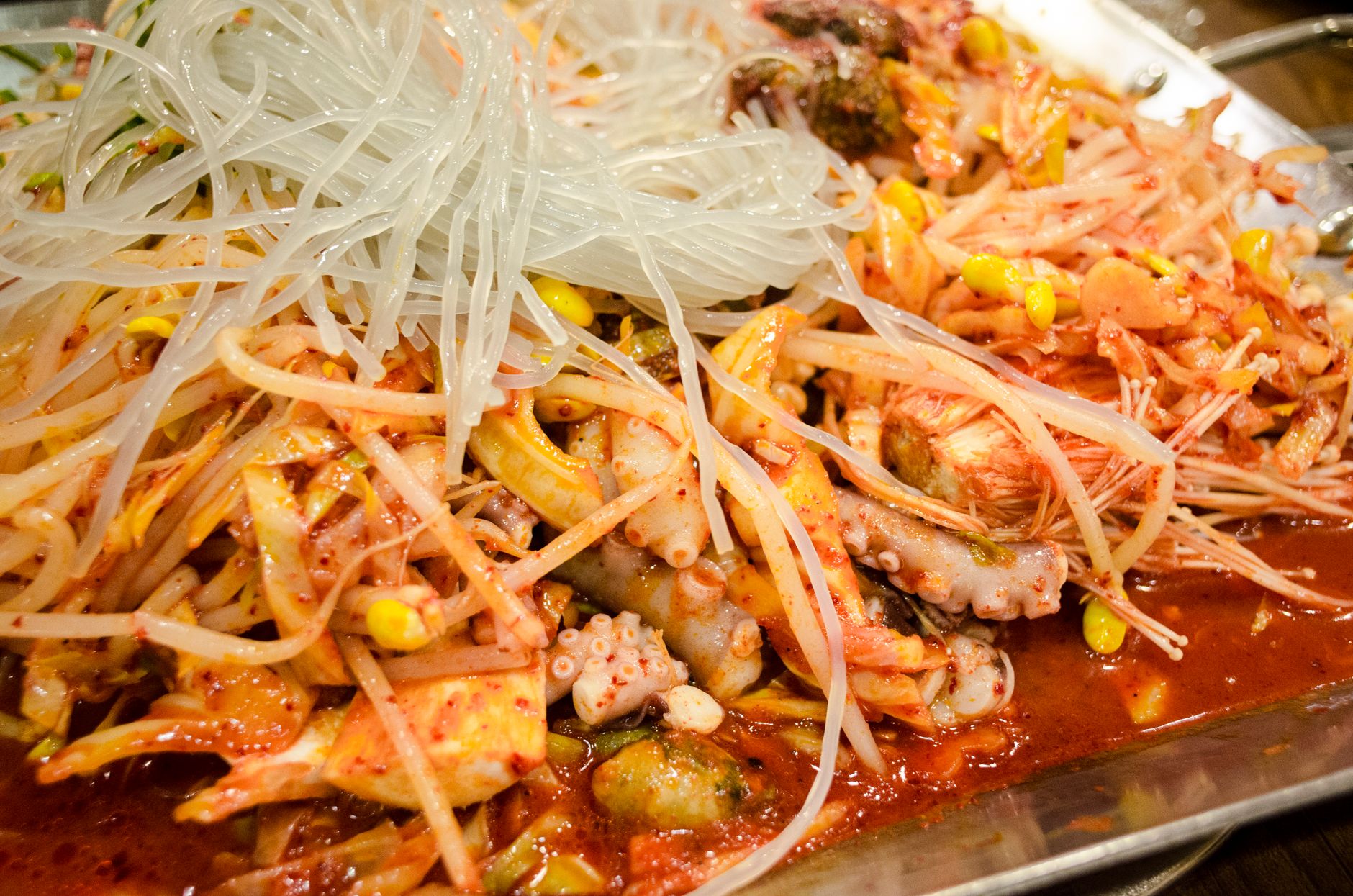
Walk past the glowing stalls of a traditional street market and you will be drawn in by a thick, bubbling crimson sauce simmering in giant iron pans. The sweet, fiery aroma of simmered chili paste fills the air, coating chewy, cylindrical rice cakes known as tteok. Tteokbokki is Korea's ultimate comfort street food, loved by students and locals for its soft, pillowy texture and addictive sweet-and-spicy punch.
Indian travelers who relish spicy street treats like aloo tikki or pav bhaji will instantly connect with the fiery energy of tteokbokki. The spice level can range from a pleasant warmth to a sweat-inducing heat, making it a thrilling culinary adventure. It is cheap, filling, and easily found at almost every corner, from street carts to trendy franchise restaurants.
Indian Traveler Note: Traditional street-stall tteokbokki is almost always made with an anchovy-based broth and contains sliced fish cakes (eomuk). Therefore, strict vegetarians should avoid buying it directly from standard street carts. Instead, look for certified vegan restaurants in Seoul's Insadong or Hongdae neighborhoods, or visit modern convenience stores that stock clearly labeled vegetarian, instant-cup tteokbokki.
Japchae (잡채)
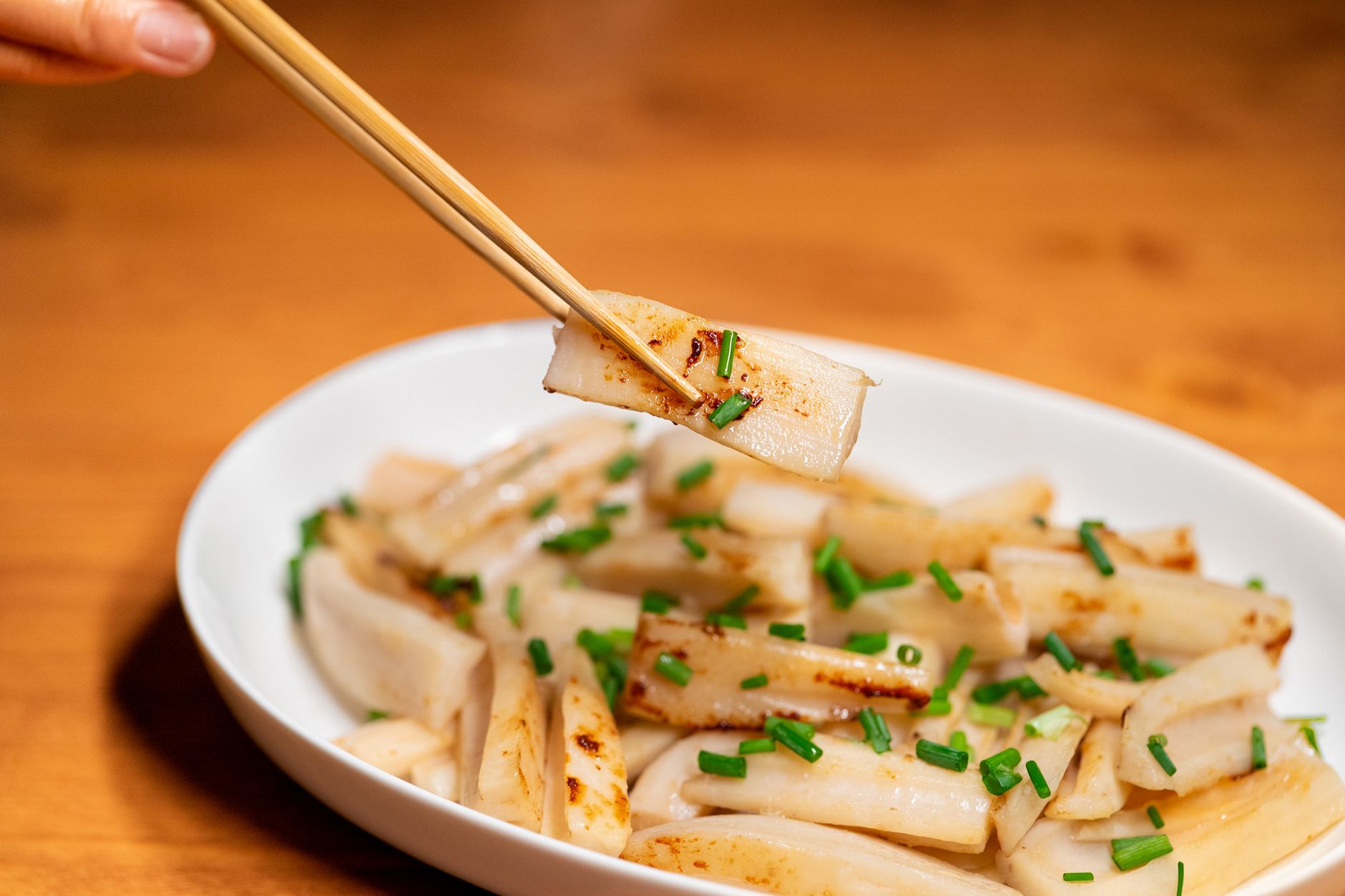
Glistening, translucent glass noodles made from sweet potato starch are gently tossed in a warm wok, coating them in savory soy sauce and aromatic toasted sesame oil. Strips of spinach, shiitake mushrooms, carrots, and onions are beautifully interwoven with the noodles, creating a dish that is light yet deeply satisfying. Japchae is a classic festive dish in Korea, traditionally served during holidays and special celebrations to symbolize longevity and good health.
With its savory, slightly sweet flavor profile and rich sesame aroma, Japchae is incredibly comforting and approachable for Indian travelers. It lacks the intense chili heat of other Korean dishes, making it an excellent option for children, elderly travelers, or anyone looking for a milder, comforting meal. The chewy texture of the glass noodles is a unique delight that pairs beautifully with the crispness of the fresh vegetables.
Indian Traveler Note: Japchae is highly adaptable. While some versions include small strips of beef, it is very commonly served as a purely vegetable dish. Always confirm with the server by saying "gogi-eopsi" to ensure no meat is added. Because it heavily features carrots, onions, and mushrooms, Jains should seek temple-style variations of this dish which are prepared without any root vegetables or alliums.
Patbingsu (팥빙수)
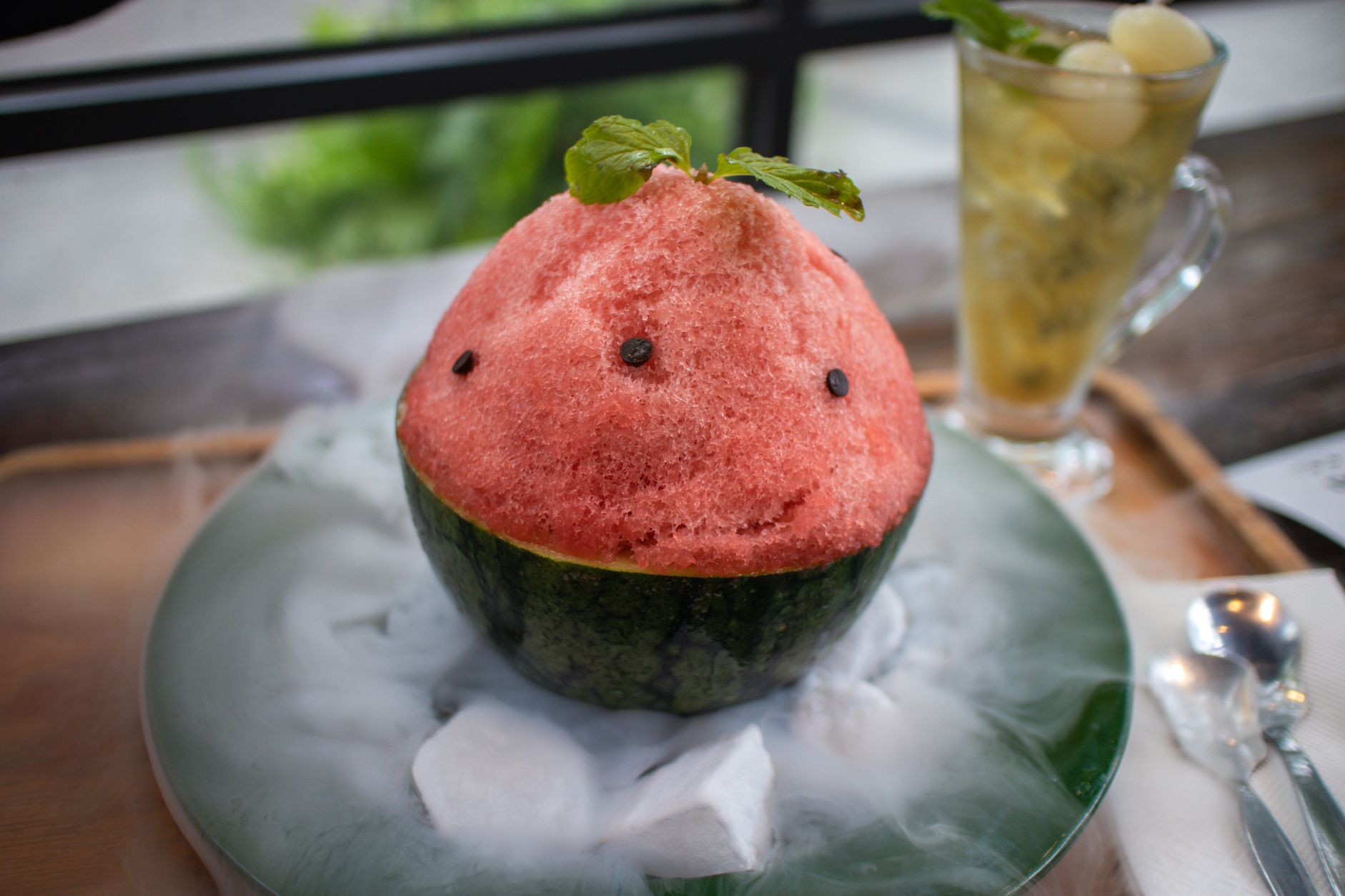
To wrap up an unforgettable culinary journey, treat yourself to a mountain of snow-like shaved milk ice that melts instantly on your tongue. Drizzled with sweet condensed milk and topped with soft, chewy rice cakes (tteok) and a generous scoop of sweet red bean paste, Patbingsu is Korea's beloved traditional dessert. Today, you can also find modern variations loaded with fresh mangoes, strawberries, matcha, or chocolate brownies.
For Indian families and students, this dessert is a delightful revelation. It shares a lovely culinary kinship with Indian classics like kulfi, falooda, or gola, offering a sweet, dairy-rich, and incredibly refreshing end to any meal. Sharing a massive bowl of bingsu with friends in a cozy Seoul cafe is a classic youth culture experience that you cannot miss.
Indian Traveler Note: Bingsu is entirely vegetarian-friendly and safe for Jains, as it is made primarily from milk ice, red beans, fresh fruits, and rice cakes. It is a wonderful, worry-free dessert option for all Indian travelers. Ready to taste these incredible flavors for yourself? Join us on our curated cultural journeys where we take the guesswork out of dining abroad. Explore our 5-Day Educational Student Tour to Seoul and experience the ultimate blend of learning, culture, and unforgettable Korean cuisine!
Planning a Korea School Trip?
This story is connected to one of our tour packages. Explore the full itinerary and pricing.
Share this article