Spicy South Korea: Ultimate Food Guide for Indian Palates
매운 한국 음식: 인도 여행자를 위한 최고의 맛 가이드

Photo by Theodore Nguyen on Pexels
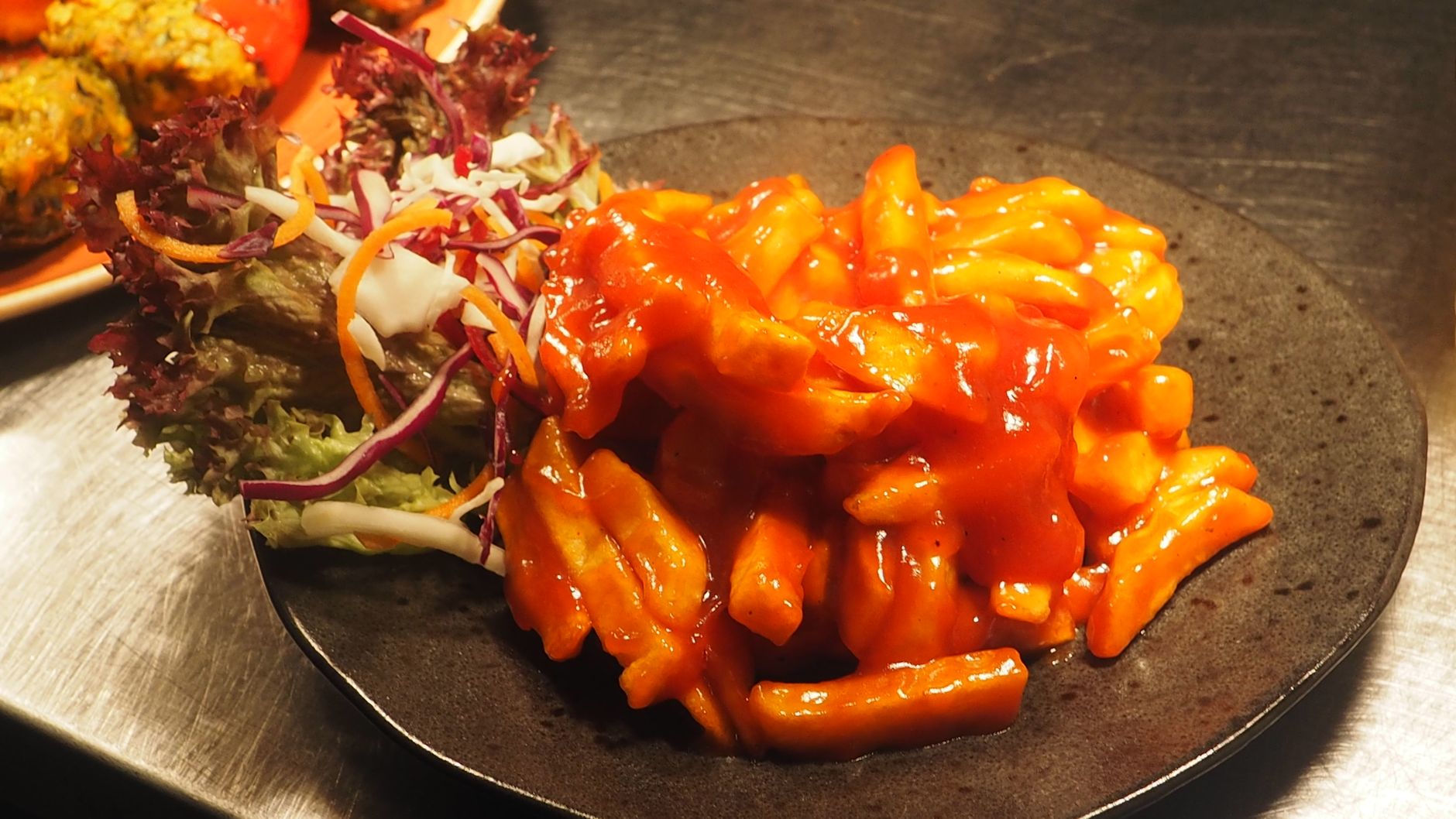
Tteokbokki: The Sweet and Fiery Street Sensation
A crimson, glossy sauce bubbles gently in a massive flat iron pan, sending up a sweet, peppery steam that cuts through the chilly autumn air of a bustling Seoul alleyway. As the golden ginkgo leaves drift onto the pavement, the warmth radiating from the street-side food cart invites you in. Tteokbokki, South Korea’s most iconic street food, features thick, cylindrical rice cakes (garae-tteok) simmered in a dense, fiery-sweet chili paste sauce. The texture is wonderfully chewy, and the heat of the gochujang (fermented red chili paste) hits the back of the throat with a slow, rich burn that Indian spice-lovers will immediately recognize and adore. It feels like the comforting, spicy street snacks of home, reminiscent of hot chili potatoes or tangy Indo-Chinese dishes.
For Indian vegetarian and Jain travelers, navigating street-food stalls requires a bit of care. Standard street tteokbokki is almost always cooked with fish cakes (eomuk) and simmered in a savory anchovy-based broth. However, you do not have to miss out on this fiery delight. Head over to the historic streets of Insadong or the trendy lanes of Hongdae, where you can find dedicated vegan and vegetarian-friendly cafes. Here, chefs prepare 'chaesik' (vegetarian) tteokbokki using a clean kelp-and-mushroom broth. To make sure your order is completely free of fish derivatives, you can politely say: "Eomuk eopsi juseyo" (Without fish cakes, please) or "Gogi-rang saengsun eopsi juseyo" (Without meat and fish, please).
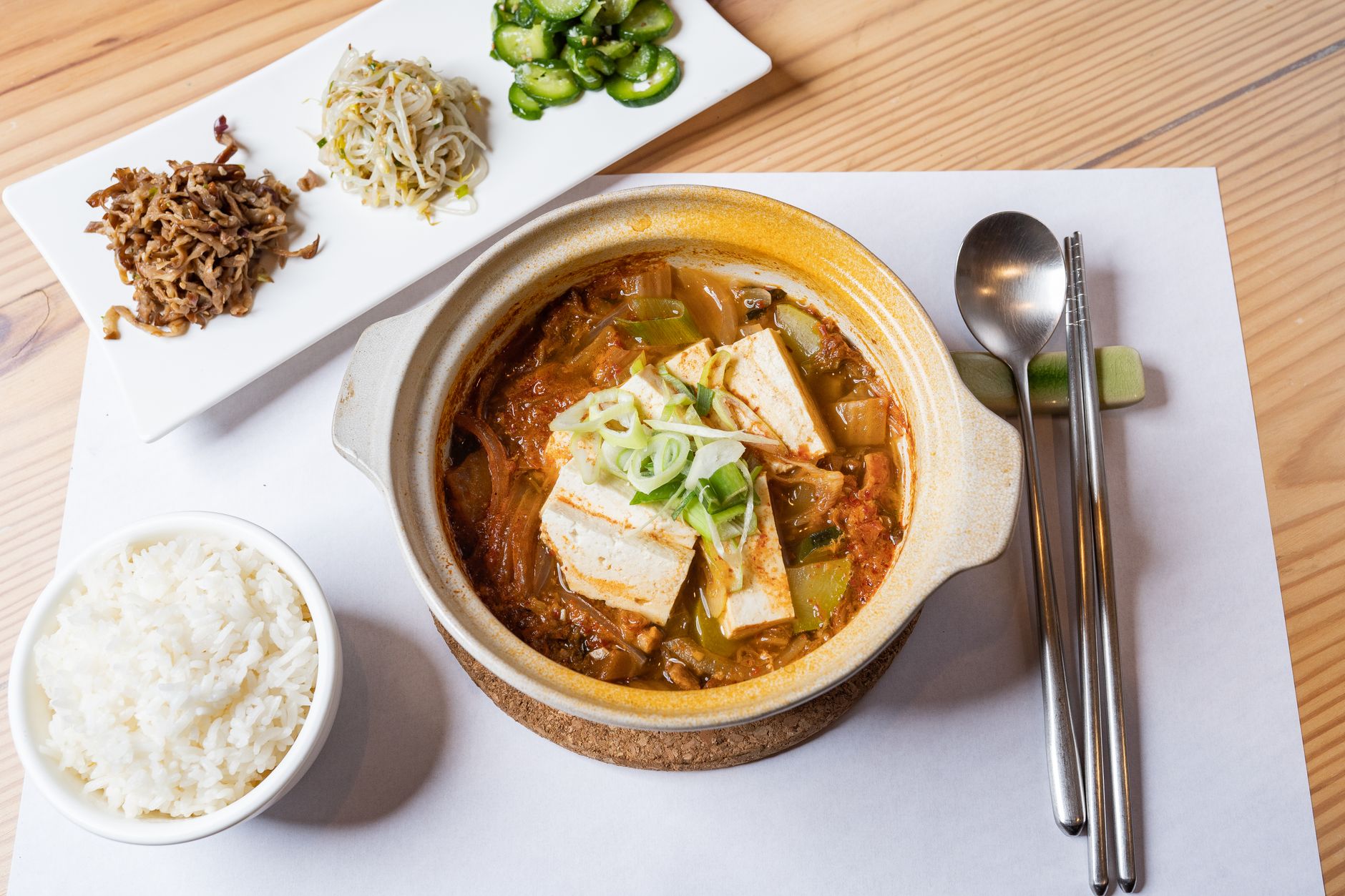
Sundubu Jjigae: Sizzling Silken Comfort
A black earthenware pot (ttukbaegi) lands on your wooden table, its rich, red, chili-oil speckled broth boiling so furiously that tiny droplets splatter gently against the stone rim. The intense aroma of garlic, sesame oil, and toasted chili flakes immediately fills the air, promising instant relief from the brisk autumn wind outside. This is Sundubu Jjigae, a fiery soft tofu stew that is a masterclass in contrasting textures. The star of the dish is the ultra-soft, unpressed silken tofu, which melts like butter on your tongue. The spicy broth is deeply savory and robust, carrying a comforting warmth that Indian travelers often compare to a beautifully spiced dal tadka or a rich paneer bhurji gravy.
While traditional versions of this stew are heavily loaded with minced pork, beef, or assorted seafood like clams and shrimp, it is highly customizable. Many modern restaurants across Seoul, particularly around university districts like Sinchon, happily prepare yachae sundubu jjigae (vegetable soft tofu stew). You can request yours to be made with a vegetable broth by using the phrase: "Chaesu-ro mandeun yachae sundubu-ro juseyo" (Please make it as a vegetable soft tofu stew using veggie broth). It is traditionally served with a raw egg to crack into the boiling soup, which cooks instantly and adds a velvety richness to the broth. Pair it with a bowl of warm purple rice for an incredibly satisfying, spicy meal.
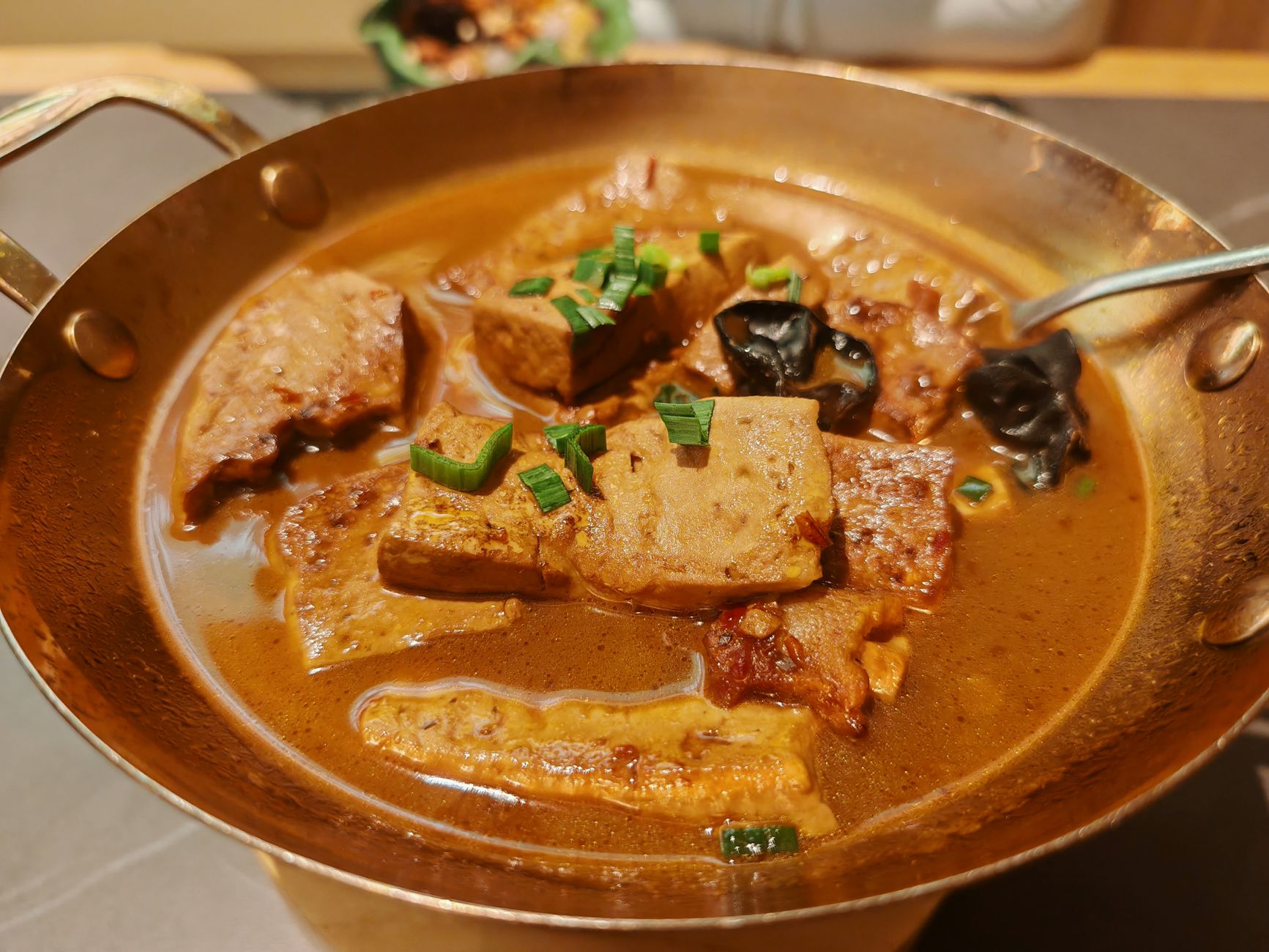
Dubu Jorim: The Vegetarian Spicy Masterpiece
Golden-brown blocks of pan-fried tofu sit neatly arranged in a shallow pan, bathed in a glossy, dark-red braising liquid that shimmers with sesame oil and chopped green scallions. Every slice of tofu is heavily dusted with gochugaru (Korean red pepper flakes), creating a stunning visual contrast that hints at the bold flavors waiting to be uncovered. For Indian vegetarians who crave high-protein, spice-packed dishes, Dubu Jorim is nothing short of a culinary masterpiece. The tofu is first pan-seared to develop a delicate, crispy exterior that holds its shape, then slowly simmered in a savory, garlicky, and fiery soy-based glaze. The result is a dry, intensely flavor-packed dish that feels wonderfully familiar, echoing the dry spice profiles of a well-made Indian tawa paneer or chili paneer.
Unlike many Korean stews that require careful customization, Dubu Jorim is naturally vegetarian-friendly in many home-style Korean eateries (known as bapsang or baekban restaurants). However, to ensure absolute peace of mind, it is always a good practice to confirm that no fish sauce (aekjeot) or minced beef was mixed into the braising sauce. It is typically served with a bowl of nutty, steamed purple wild rice (heungmi-bap) and an array of cold, refreshing side dishes (banchan) like pickled radish and seasoned spinach, which help balance the fiery heat of the tofu. It is a hearty, wholesome dish that provides a perfect plant-based protein boost for active days of sightseeing.
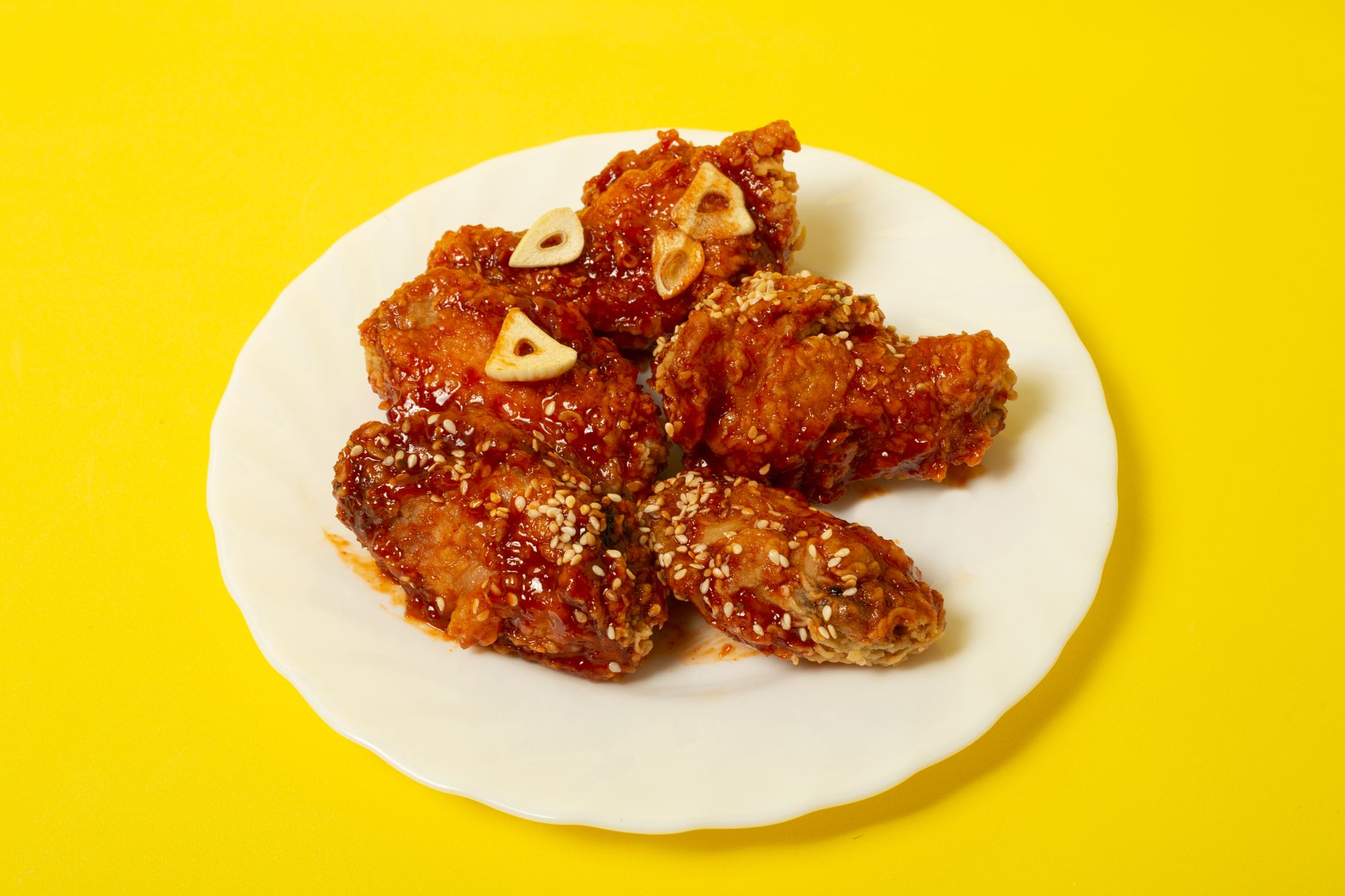
Yangnyeom Chicken: The Ultimate Spicy-Sweet Crunch
A loud, incredibly satisfying crunch echoes through the lively dining room as you bite into a piece of golden-brown fried chicken, immediately followed by the rush of a sticky, fiery-sweet glaze that clings to your fingers. The sweet and savory aroma of fried garlic and caramelized red pepper paste wafts from the platter, making your mouth water before you even take your next bite. This is Yangnyeom Chicken, South Korea's iconic sweet and spicy double-fried chicken. The chicken is fried twice to ensure the crust remains unbelievably crunchy even after being tossed in a thick, vibrant red glaze made of gochujang, garlic, sugar, and corn syrup. It is a spectacular fusion of sweetness and heat that will instantly hit the spot for any Indian traveler who loves Indo-Chinese chili chicken.
For non-vegetarian Indian travelers seeking Halal options, South Korea's bustling food scene has become incredibly accommodating. Renowned fried chicken chains like Pelicana, BB.Q Chicken, and Kkanbu Chicken have certified Halal outlets, particularly in multicultural neighborhoods like Itaewon or near major tourist hubs in Seoul. If you are traveling as a vegetarian, you do not have to feel left out of this legendary culinary experience. Many trendy vegan restaurants in neighborhoods like Insadong and Mapo-gu offer Yangnyeom Dubu (crispy fried tofu) or Yangnyeom Beoseot (crispy fried shiitake mushrooms) coated in the exact same addictive, fiery-sweet sauce, delivering all the crunch and spice without any meat.
Spicy Kalguksu: Warmth in an Autumn Bowl
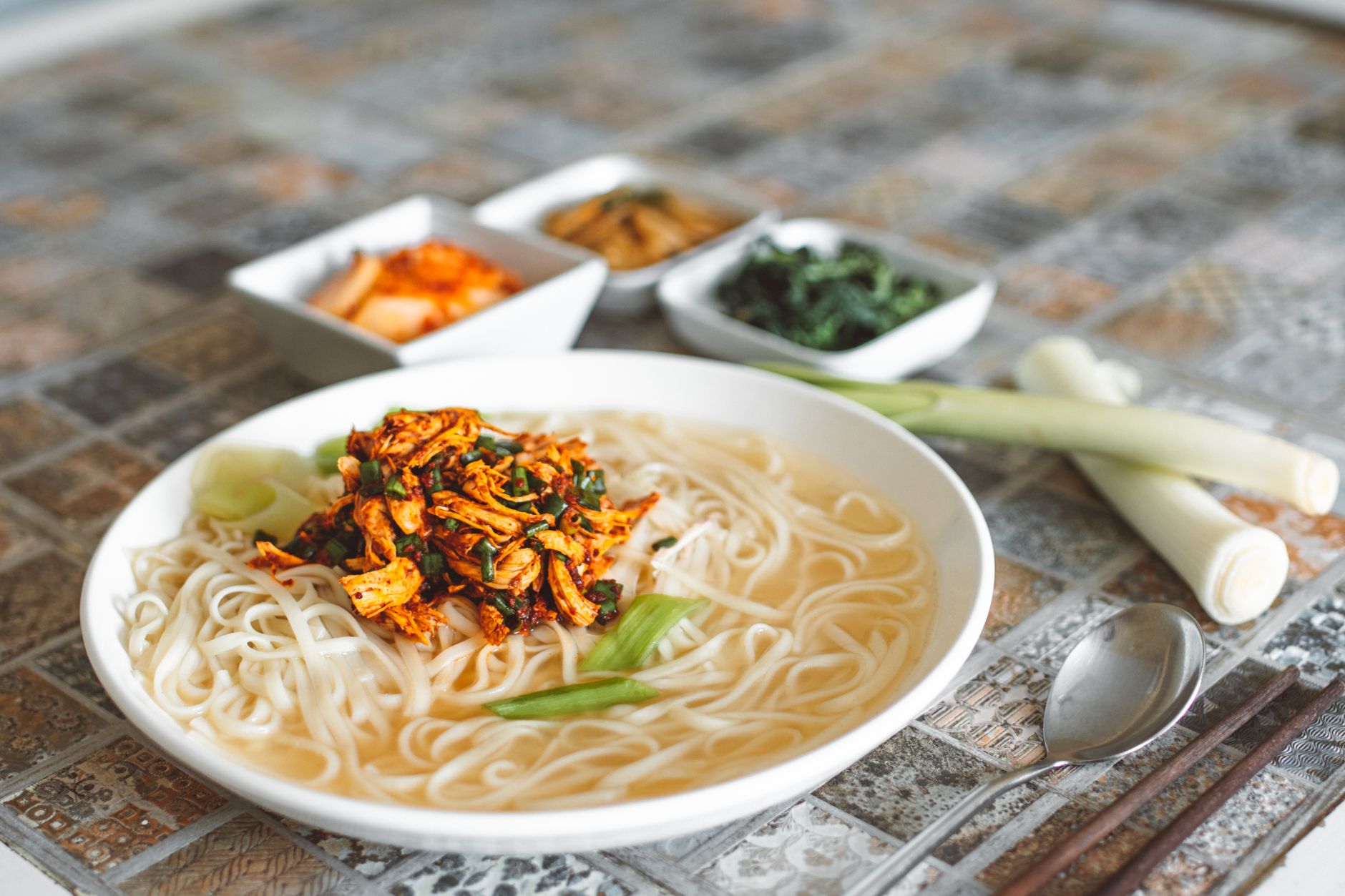
Thick billows of steam rise from a deep porcelain bowl, carrying the comforting scent of freshly rolled wheat noodles and a sharp, spicy broth infused with green chilies and garlic. Strands of hand-cut noodles swim alongside vibrant green crown daisy leaves, shredded zucchini, and toasted sesame seeds in a rich, orange-tinted soup. This is Spicy Kalguksu (literally 'knife-cut noodles'), a beloved rustic noodle dish that is particularly comforting during the crisp, chilly autumn days of September and October. The thick, flat noodles are hand-rolled and cut with a knife, giving them a rustic, chewy texture that absorbs the fiery broth beautifully. For Indian travelers, the experience is delightfully reminiscent of a hot bowl of spicy Himalayan thukpa or a rich, comforting bowl of spiced masala noodles.
Traditional kalguksu is often prepared with a seafood (clams and anchovies) or chicken broth. However, Indian travelers can easily enjoy vegetarian-friendly versions at specialized noodle houses or temple food restaurants near Seoul’s historic sites. When ordering, look for places that specify vegetable broth (chaesu) or visit Buddhist temple-adjacent areas where garlic-free, onion-free, and completely vegetarian versions (perfect for Jain travelers) are readily served. To navigate your culinary journey smoothly, remember to carry some South Korean Won (KRW) for street stalls, though cards are widely accepted. Rent a pocket Wi-Fi or activate an eSIM at Incheon Airport to easily use KakaoMap or Naver Map for navigation, as Google Maps does not provide walking directions in Korea.
When dining in Korea, remember a few key cultural etiquette rules: always use both hands when passing side dishes or pouring drinks for others as a sign of respect, and never leave your chopsticks sticking vertically into a bowl of rice, as this resembles a traditional ancestral memorial ritual. To dive deep into South Korea's vibrant culinary heritage with the safety, comfort, and convenience of an organized tour, look no further than our expertly crafted itineraries. We ensure that vegetarian, Jain, and halal dining needs are seamlessly taken care of, allowing you to focus entirely on the sights and flavors. Embark on an unforgettable autumn adventure by booking our 5-day educational student tour to Seoul today!
Planning a Korea School Trip?
This story is connected to one of our tour packages. Explore the full itinerary and pricing.
Share this article