Chuseok 2026: Autumn Guide for Indian Travelers
2026년 추석: 인도 여행객을 위한 가을 가이드
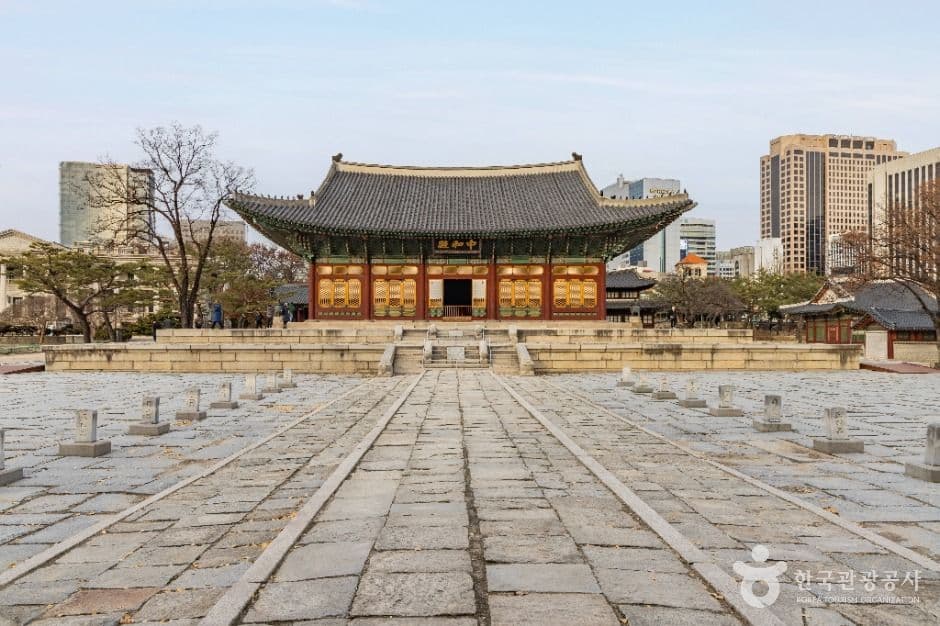
사진 제공: 한국관광공사
Crisp Air and Golden Canopies: Preparing for Autumn
You step out of Incheon International Airport and are instantly greeted by a refreshing, cool breeze that feels worlds away from the lingering humidity of the Indian monsoon. The sky above is a brilliant, cloudless cobalt blue, and the leaves of the roadside ginkgo trees are just beginning to turn a magnificent, buttery gold. Autumn in South Korea, running from September to November, is widely considered the most beautiful season to visit. The air is crisp and carries the faint, sweet scent of roasted chestnuts wafting from street-side carts.
For Indian travelers accustomed to tropical climates, the sudden drop in temperature requires a bit of planning. September temperatures typically hover between 15°C and 25°C, but the evening air can feel quite chilly. The secret to staying comfortable is layering. Pack a mix of light cotton shirts, cardigans, a light trench coat, and warm pashminas or scarves. Because South Korea is a walking-heavy destination—especially when exploring sprawling palaces—a sturdy pair of comfortable sneakers is essential. Don't forget to pack a rich moisturizer and lip balm, as the dry Korean autumn air can quickly dry out skin accustomed to Indian humidity.
Chuseok 2026: Navigating the Great Harvest Festival
Hear the gentle beat of traditional drums and the laughter of families gathered in colorful silk hanboks. In 2026, South Korea’s grand harvest festival, Chuseok, takes place from Thursday, September 24 to Saturday, September 26. With Sunday, September 27 immediately following, the country will experience a bustling four-day holiday. Often called the "Korean Thanksgiving," Chuseok is a time for family reunions and ancestral rituals, translating to a "Great Migration" as millions of Koreans travel from Seoul to their ancestral hometowns in the provinces.
For Indian tourists, this brings unique logistics. Major highways become gridlocked, and tickets for the high-speed KTX trains sell out months in advance. Many family-run restaurants, traditional markets like Namdaemun, and independent boutiques close for one to three days, particularly on Chuseok Day itself (September 25). However, there is a silver lining: Seoul becomes incredibly quiet and peaceful. The broad avenues, usually packed with traffic, empty out, making it the perfect time to explore the capital without the crowds.
To make the most of Chuseok, plan to stay within Seoul during the core festival days. While small local eateries close, major tourist hubs remain highly active. The royal palaces—including Gyeongbokgung and Changdeokgung—remain open, offering free admission and hosting traditional folk games like Yutnori (a board game) and Jegichagi (shuttlecock kicking). Modern shopping malls like Starfield COEX, major theme parks like Lotte World, and national museums also remain open, offering plenty of entertainment options.

A Vegetarian Feast: Savoring Chuseok's Harvest Flavors
Picture a steaming wooden basket lined with fresh pine needles, holding delicate, half-moon-shaped rice cakes in pastel shades of green, pink, and yellow. This is songpyeon, the quintessential Chuseok delicacy. Stuffed with sweet fillings like toasted sesame seeds, honey, or sweet red bean paste, these chewy treats are naturally vegetarian and vegan-friendly. The pine needles lend a subtle, earthy aroma that defines the scent of a Korean autumn kitchen.
While Korean cuisine is famous for meat, the autumn harvest brings an abundance of vegetarian-friendly delicacies that align perfectly with Indian dietary preferences. You can feast on jeon—savory Korean pancakes made by coating sliced zucchini, mushrooms, or sweet potatoes in a light batter and pan-frying them to crispy perfection. Another must-try is japchae, a colorful dish of stir-fried sweet potato glass noodles tossed with spinach, carrots, and mushrooms. Simply request it "gogi-eopsi" (without meat) to ensure a perfectly vegetarian meal. For dessert, indulge in yakgwa, a traditional deep-fried cookie made from wheat, honey, and sesame oil, which pairs beautifully with warm cinnamon tea.
If you prefer familiar flavors, major international districts like Itaewon and Myeongdong feature highly-rated Indian vegetarian restaurants that remain open throughout the Chuseok holidays. These establishments are accustomed to serving tourists and provide a comforting taste of home amidst your cultural explorations.
Beyond the Festival: Chasing Autumn Leaves and Lanterns
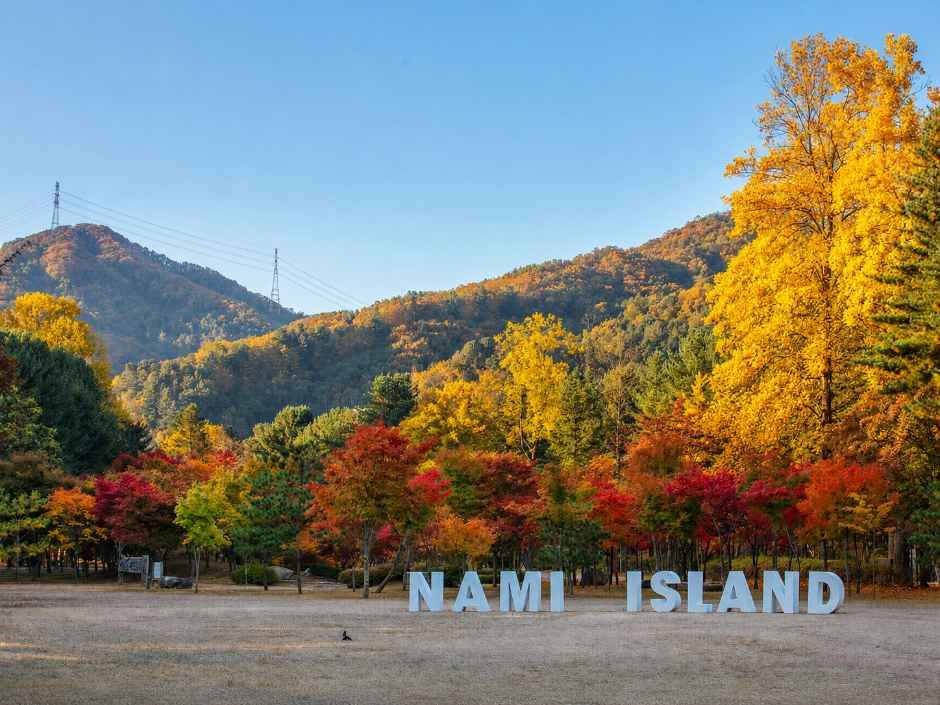
Step into a living canvas where mountainsides are painted in dramatic shades of crimson, orange, and gold. Beyond the Chuseok holiday, autumn in Korea is famous for danpung (autumn foliage), which peaks across the country from mid-October through early November. Walking down the stone-wall road of Deoksugung Palace under a canopy of fiery red maples is an experience straight out of a classic K-drama. For a grander view, a day trip to Bukhansan National Park or Nami Island offers breathtaking forest vistas that are incredibly photogenic.
The season is also packed with dazzling festivals that are highly welcoming to international student groups and families. In October, the Seoul International Fireworks Festival lights up the Han River sky in a spectacular choreographic display. Further south, the Jinju Namgang Yudeung Festival features thousands of massive, glowing lanterns floating on the Nam River, depicting historical scenes and traditional folklore. Participating in these festivals offers Indian visitors a profound look into Korea's artistic heritage and communal spirit.
Your Hassle-Free Autumn Adventure Awaits
Navigating a foreign country during its busiest national holiday can feel daunting, but with the right preparation, it becomes an unforgettable cultural immersion. To ensure a seamless trip, remember to purchase a T-money card for transit, secure an eSIM for connectivity, and download local navigation apps like KakaoMap, as Google Maps has limited functionality in Korea. Respectful etiquette—such as bowing slightly when greeting elders and keeping your voice low on public transport—will go a long way in making warm connections with the locals.
To avoid the stress of booking sold-out domestic travel and coordinating meals during Chuseok, traveling with an organized group is highly recommended. Our carefully curated itineraries handle all the complex logistics, from reserving premium transport to selecting top-tier, Indian-friendly dining options. Ready to experience the magic of Korea's golden harvest season? Explore our 9D8N Comprehensive Tour Package to book your stress-free autumn getaway today!
Planning a Korea School Trip?
This story is connected to one of our tour packages. Explore the full itinerary and pricing.
Share this article