KAIST for Future Indian Scientists: What to Expect
혁신과 야망이 만나는 곳: 미래의 인도 과학자들을 위한 카이스트(KAIST) 탐방기
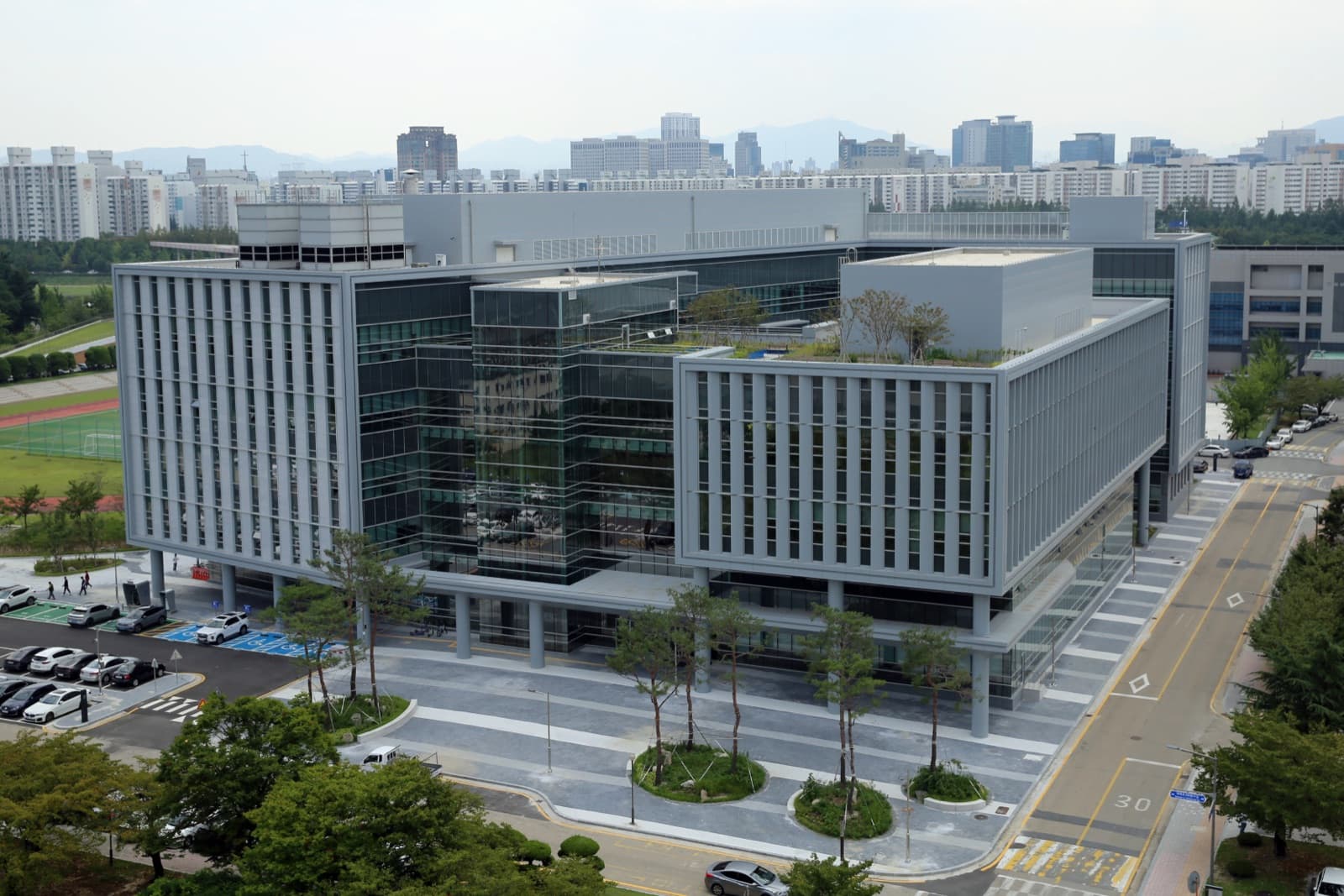
Photo by Rickinasia on Wikimedia
Stepping into the Future: The High-Tech Campus of KAIST
Whirring autonomous shuttles glide silently along pristine, pine-lined lanes while the gentle hum of laboratory ventilation systems fills the crisp morning air. As you step onto the campus of the Korea Advanced Institute of Science and Technology (KAIST) in Daejeon, the sensory transition from bustling city life to a hyper-futuristic academic oasis is immediate. The scent of fresh coffee mingles with the clean, ozone fragrance of active electronics labs. Towering above the central plaza is the Academic Information Center, a stunning curved glass structure that reflects the brilliant blue summer sky, symbolizing the transparent, forward-looking nature of South Korea’s premier scientific hub.
For Indian school and college groups, visiting KAIST is not merely a tour; it is a preview of the world tomorrow. Often referred to as the 'MIT of Asia,' KAIST has been the engine behind South Korea’s rapid transformation into a global technological superpower. Indian students, raised in a culture that deeply respects mathematics and science, immediately connect with the intense, curious energy that vibrates through the campus corridors. Here, the pursuit of knowledge is visible in every corner, from students huddled over laptop screens discussing quantum computing in open-air gazebos to prototype robots being tested on the manicured lawns.
Where Minds Spark: Academic Excellence and Global Impact
Inside the research halls, the atmosphere is electric with discovery. KAIST is world-famous for its pioneering work in artificial intelligence, aerospace engineering, bio-engineering, and robotics. It is home to HUBO, the humanoid robot that won the prestigious DARPA Robotics Challenge, beating out top global institutions. Indian school groups are often treated to demonstrations at the robotics labs, where they can see these mechanical marvels navigate obstacles, walk on uneven terrain, and even mimic human gestures. The sheer tactile experience of seeing a world-champion robot up close sparks a fire of inspiration in young minds that textbooks simply cannot replicate.
The academic culture here is deeply collaborative and interdisciplinary. Rather than working in isolated silos, researchers in nanotechnology collaborate closely with medical scientists and software engineers. This holistic approach is highly educational for Indian students and educators, demonstrating how diverse fields can merge to solve complex global challenges like climate change, pandemic response, and sustainable energy. The medium of instruction for a vast majority of courses at KAIST is English, making the academic environment highly accessible and welcoming to Indian visitors who wish to pursue higher education abroad.

A Day in the Life: From Advanced Labs to the International Cafeteria
Imagine starting your morning at 9:00 AM with an interactive seminar led by an international professor, diving into the mechanics of semiconductor fabrication. By midday, your group is walking through the KI (KAIST Institutes) Building, marveling at the state-of-the-art cleanrooms where microscopic microchips are born. The tour is guided by current international students, including several from India, who share their personal journeys of moving from cities like Bengaluru, Mumbai, or New Delhi to the heart of South Korea’s technological capital.
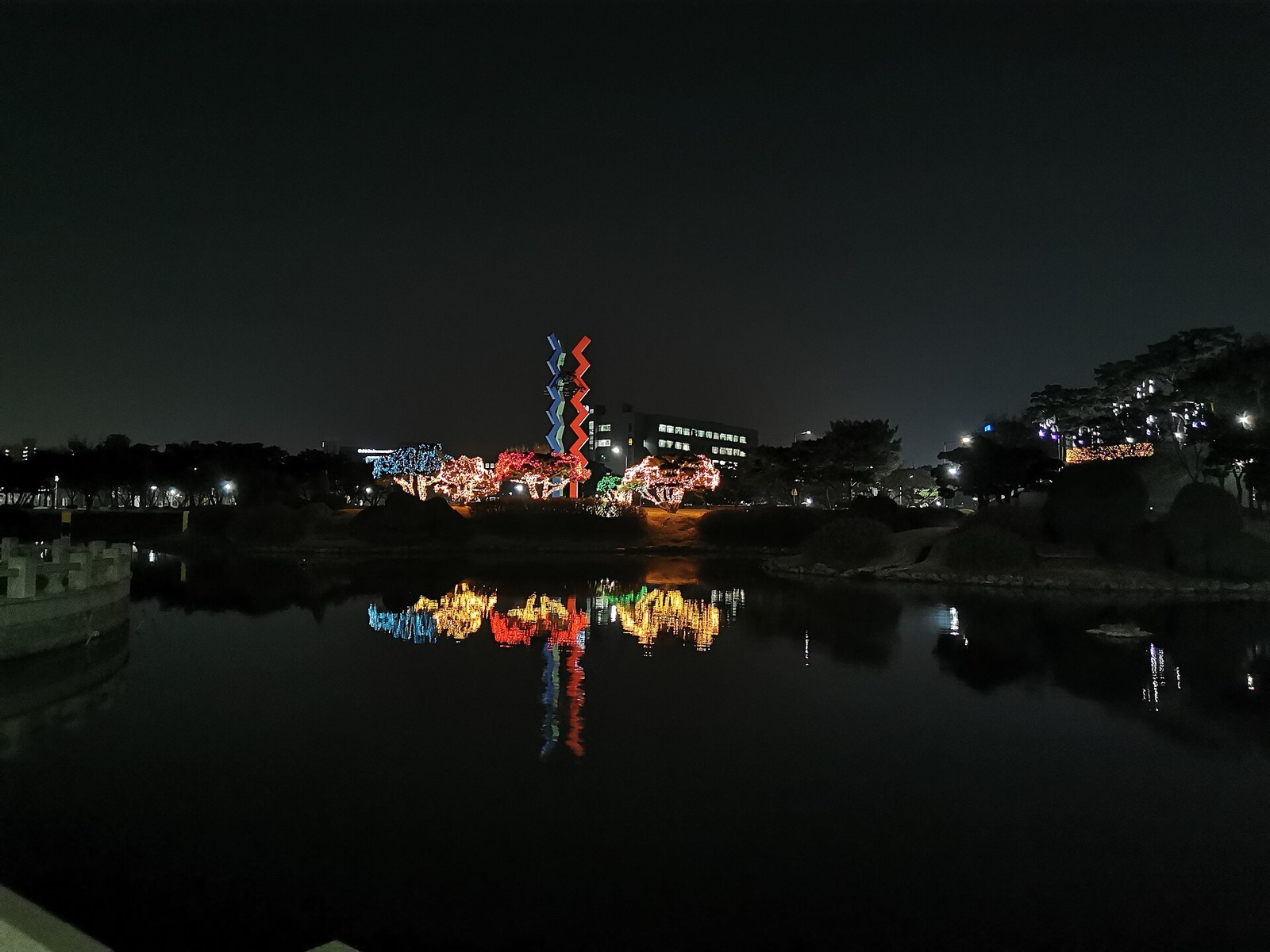
When lunchtime arrives, the campus reveals its inclusive, global character. Navigating food preferences is seamless for Indian travelers. The main student cafeterias offer a dedicated international corner, and the university is highly conscious of dietary diversity, providing clearly labeled vegetarian and halal options. For a taste of home, the group can enjoy a meal at the nearby Indian restaurants in the Daejeon-Gungdong university area, which serve authentic vegetarian curries, piping hot dal, and fresh naan. The campus also features beautiful, quiet parks like the Eoeun Pond, where students gather under the shade of willow trees to relax, offering a peaceful sanctuary for reflection after a mind-stimulating morning of science.
Bridging Borders: India-Korea Academic Synergy
The connection between India and KAIST runs deep, built on a foundation of mutual academic respect and shared talent. KAIST has established active exchange programs, joint research partnerships, and memoranda of understanding with several Indian Institutes of Technology (IITs) and the Indian Institute of Science (IISc). For Indian educators, a visit to KAIST is an excellent opportunity to explore institutional collaborations, study-abroad pathways, and dual-degree programs that can provide their students with a massive competitive edge in the global job market.
South Korea’s safety standards are among the highest in the world, making it an incredibly reassuring destination for Indian parents and school administrators. On campus, safety protocols are paramount, and the surrounding city of Daejeon is peaceful, green, and highly student-friendly. Furthermore, the strong presence of global South Korean conglomerates like Samsung, LG, and Hyundai—all of which actively recruit talent directly from KAIST—offers Indian students a clear, exciting vision of potential career paths that bridge both nations.

Chart Your Course: Planning an Educational Visit to KAIST
Daejeon is located in the central region of South Korea, comfortably accessible from Seoul in just 50 minutes via the ultra-smooth KTX high-speed train. Organizing a successful school or university visit to KAIST requires careful, advanced planning. Official campus tours must be booked well in advance through institutional channels, ensuring that your students get access to the specific laboratories, interaction sessions, and academic briefings that align with your school's curriculum goals.
At KoreaEdu Tours, we specialize in curating seamless, deeply engaging educational itineraries that take the stress out of planning. From securing official university invites and managing KTX group bookings to arranging delicious Indian vegetarian meals and comfortable, secure accommodations, we handle every detail with precision. Let your students witness the pinnacle of scientific innovation firsthand and return home with a redefined vision of what they can achieve. Explore our specialized Korea school and university tour packages today, and take the first step toward inspiring the next generation of global leaders.

Planning a Korea School Trip?
This story is connected to one of our tour packages. Explore the full itinerary and pricing.
Share this article