Korea Student Guide: Essential Tips for Indian Scholars
한국 유학 가이드: 인도 장학생을 위한 필수 팁
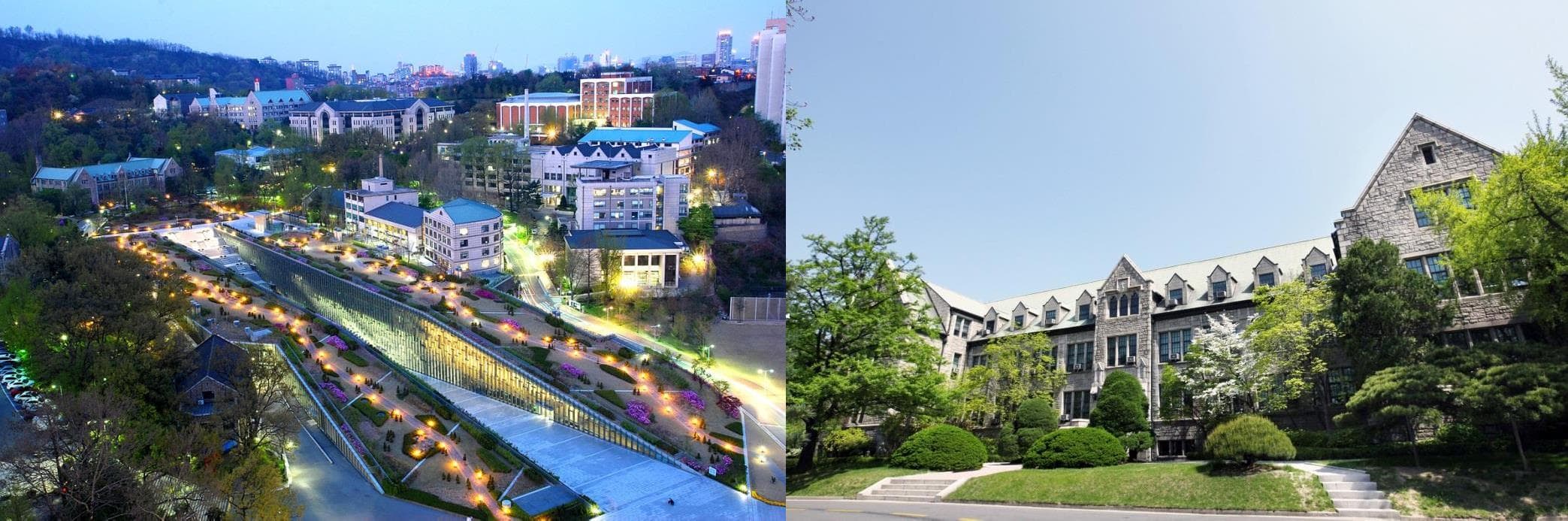
Photo by GV Chana on Unsplash
Landing in Incheon: Your First Steps to Connectivity
Crisp autumn air greets you the moment you step out of Incheon International Airport, carrying the faint, sweet scent of roasted chestnuts from nearby stalls. The gentle hum of the high-speed Airport Railroad Express (AREX) vibrates beneath your feet, while neon-lit convenience stores offer a warm, welcoming glow. For an Indian student arriving in South Korea, the first hour can feel like stepping into a fast-forward sci-fi movie. Getting connected immediately is your superpower to navigating this high-tech wonderland smoothly.
Your very first stop before leaving the arrivals hall must be a convenience store like CU, GS25, or 7-Eleven to purchase a T-money Card. This pocket-sized transit card is your golden ticket; you can load it with cash (Korean Won) and tap it to ride subways, city buses, and even pay for taxi rides or convenience store snacks. For communication, we highly recommend pre-ordering an eSIM or a physical SIM card online through student-friendly providers like Chingu Mobile or Woori Mobile, which offer unlimited data plans tailored for international students at highly subsidized rates.
- T-Money Card: Costs around 3,000 to 4,000 KRW (empty) and can be easily topped up at any subway station or convenience store using cash.
- Navigation Apps: Download Naver Map or KakaoMap immediately. Google Maps does not work accurately for walking or transit directions in South Korea due to national security data laws.
- Translation Essential: Install Papago, the most accurate Korean-English translation app, which features an excellent image-translation tool for reading food labels and campus signs.
Savoring Seoul: Halal, Vegetarian, and Indian Dining
The savory, nutty aroma of toasted sesame oil drifts from a neighborhood kitchen, accompanied by the musical sizzle of pan-fried vegetables on a hot griddle. In Korea, dining is a communal celebration, but for Indian students—especially those who are strictly vegetarian, vegan, or keep Halal—it can initially seem daunting. While pork and seafood are staples of the local diet, Seoul is rapidly evolving into a remarkably dietary-friendly global city, with university neighborhoods leading the charge.
When eating out at local Korean diners (bunsikjeom), look for dishes that are naturally vegetarian or easily customizable. Bibimbap (rice mixed with seasoned vegetables) can be ordered without minced beef ("gogi-neun ppae-juseyo"). Gimbap (seaweed rice rolls) can also be made vegetarian on request. However, be aware that traditional kimchi and vegetable broths often contain fish sauce or anchovy stock. For authentic home flavors, the areas surrounding major universities like Seoul National University, Yonsei, and Kyung Hee host wonderful, budget-friendly Indian restaurants such as Otsal and Chakraa, which offer comforting dal makhani, warm rotis, and vegetarian thalis.
For those looking for certified options, temple cuisine experiences offer exquisite, entirely vegan dishes seasoned with natural mountain herbs. Additionally, using the Mufko (Muslim Friendly Korea) app can help you scan barcodes at convenience stores to instantly check if ingredients contain gelatin, pork, or non-halal additives, making grocery shopping stress-free.
Smart Won: Budgeting for Your Academic Stay
The satisfying, digital 'beep' of your prepaid card at a self-service kiosk echoes through a cozy university cafeteria, where a steaming, nutritious lunch costs less than a single metro ride in many Western capitals. Budgeting in South Korea is highly manageable if you know where to look. While trendy districts like Gangnam or Hongdae can quickly drain your wallet, student life is heavily subsidized, allowing you to live comfortably on a modest scholarship stipend.
To manage your funds, consider getting a Namane Card or a Wise Card before your official Korean bank account is set up. The Namane Card allows you to customize the card face with your favorite photo and functions as both a debit card and a transit card, easily managed via an app. For daily meals, make friends with your university's cafeteria, known locally as "Hak-sik". These cafeterias serve well-balanced, incredibly affordable meals ranging from 4,000 to 7,000 KRW, often featuring unlimited side dishes.
- Convenience Store Deals: Look out for "1+1" (buy one, get one free) or "2+1" promotional tags on snacks, dairy, and drinks at local convenience stores to save on daily essentials.
- Student Discounts: Carry your International Student Identity Card (ISIC) to receive steep discounts on museum entry, palace admissions, intercity trains, and even select theater tickets.
- Thrift & Variety Shopping: Visit Daiso, a multi-story paradise where high-quality stationery, kitchenware, toiletries, and storage organizers cost between 1,000 and 5,000 KRW.

Campus Culture: Respect, Safety, and Late-Night Study
The quiet, rhythmic rustle of turning textbook pages fills a sleek, 24-hour study cafe at 2 AM, where students sit focused under warm reading lamps, leaving their expensive laptops and smartphones unattended on open tables while they grab coffee. This sight highlights two of Korea's greatest strengths: its unparalleled safety and its deeply ingrained academic dedication. For Indian students, the sheer peace of mind when walking home alone at midnight is one of the most liberating aspects of studying here.
Korean society is built on mutual respect and a structured hierarchy, which is reflected in everyday campus etiquette. When greeting professors, senior students (called "seonbae"), or administrative staff, a polite bow from the waist is customary. When giving or receiving anything—whether it is a business card, a cup of tea, or a textbook—always use both hands as a sign of respect. Additionally, the concept of collective harmony means keeping your voice low on public transport and maintaining clean, sorted trash bins in your dormitories.
Should you ever find yourself in an emergency, the infrastructure is incredibly supportive. Dialing 112 connects you to the police, and 119 alerts medical and fire services, both of which offer English-translation services. For general tourist or expat assistance, dialing 1330 provides 24/7 multi-lingual support to help you resolve any language barrier on the spot.
Embark on Your Korean Academic Adventure
Golden ginkgo leaves flutter gently onto the historic stone paths of Seoul's grand campuses, creating a brilliant yellow carpet that frames the cutting-edge research labs and historic library halls. South Korea offers an extraordinary blend of ancient tradition and futuristic innovation, making it one of the most exciting educational destinations in the world for Indian scholars. Experiencing this dynamic environment firsthand is the ultimate way to broaden your academic horizons and build lifelong global connections.
If you are a student, educator, or school administrator looking to explore these world-class universities, high-tech science hubs, and rich cultural landmarks before committing to a long-term degree or scholarship program, a curated educational tour is the perfect first step. KoreaEdu Tours specializes in bridging the gap, offering seamlessly organized itineraries that blend campus visits, cultural immersion, and Indian-friendly dining options.
Ready to inspire your students or plan your school's next great adventure? Explore our 5N-6D Seoul and Around School Group Tour to experience the very best of Korean education, history, and innovation firsthand.
Planning a Korea School Trip?
This story is connected to one of our tour packages. Explore the full itinerary and pricing.
Share this article