Hangeul Design: The Art of Korean Calligraphy
한글 디자인: 한국 서예의 예술

Photo by Feng Zou on Pexels
The Magic of Hangeul's Shapes
Black ink pools on handmade mulberry paper (hanji) as a thick bamboo brush glides with deliberate grace, forming elegant geometric curves and straight lines. For Indian students, discovering Hangeul is an eye-opening linguistic adventure. Created in 1443 by King Sejong the Great, Hangeul is widely celebrated as one of the most scientific and visually systematic writing systems in the world.
Unlike scripts that evolved organically over millennia, Hangeul was intentionally designed. Its basic consonants mimic the physical shape of the mouth, tongue, and throat when producing the sound, while its vowels represent the philosophical trio of heaven (a round dot), earth (a flat line), and humanity (a standing line). Indian visitors, who grow up with highly phonetic scripts like Devanagari, often find Hangeul remarkably intuitive and easy to grasp because the visual structure perfectly matches the spoken sound.

Inside the National Hangeul Museum
Soft spotlighting illuminates futuristic, interactive displays where ancient wooden printing blocks meet sleek digital installations, filling the gallery with the gentle hum of artistic discovery. Located in Yongsan, Seoul, the National Hangeul Museum is the ultimate starting point for understanding this beautiful alphabet. It is a brilliant destination for school groups, offering engaging multimedia exhibitions that trace the script's journey from a royal decree to modern-day graphic design.
Here, students can witness how Hangeul transitioned from a tool for literacy into an artistic medium. The museum showcases historical manuscripts alongside contemporary lifestyle items, showing how the geometric balance of Korean characters inspires global fashion designers, architects, and calligraphers alike. Visiting this architectural marvel gives students a profound appreciation of how South Korea preserves its heritage while remaining at the absolute forefront of modern design.
Hands-On Calligraphy in Insadong
The faint aroma of traditional pine-soot ink (meok) mixes with the scent of brewing buckwheat tea inside a cozy, wooden courtyard studio in the historic neighborhood of Insadong. This is where the ancient art of Seoye (Korean calligraphy) comes alive. Under the patient guidance of a master calligrapher, Indian students can learn the correct posture, breathing techniques, and deliberate brush strokes required to paint their names in Hangeul on delicate scroll paper.
Participating in a hands-on calligraphy workshop is a highly rewarding experience that teaches focus, mindfulness, and artistic precision. It also makes for a perfect personal souvenir to take back home to India. Conveniently, Insadong is also a fantastic hub for Indian students and travelers. After your creative session, you can easily walk to famous vegetarian-friendly restaurants nearby, such as Osegye Hyang, which serves incredible, authentic Korean temple food and plant-based dishes that cater perfectly to Indian dietary preferences.

Hangeul in Modern K-Pop and Fashion
Neon lights reflect off stylish streetwear jackets adorned with bold, stylized Korean characters, proving that this centuries-old alphabet is now a major global fashion statement. In today's pop culture landscape, Hangeul design is everywhere. Global K-pop icons like BTS and BLACKPINK frequently incorporate stylized Korean typography into their album art, stage backdrops, and tour merchandise, elevating the script to an international symbol of cool.
By understanding the stroke order and aesthetic rules of Hangeul, Indian K-culture fans can appreciate the visual rhythm of modern Korean typography. From experimental graphic design posters in the trendy streets of Hongdae to minimalist home decor in Gangnam, Hangeul design seamlessly bridges the gap between historical pride and cutting-edge contemporary style.
Plan Your Creative Educational Journey
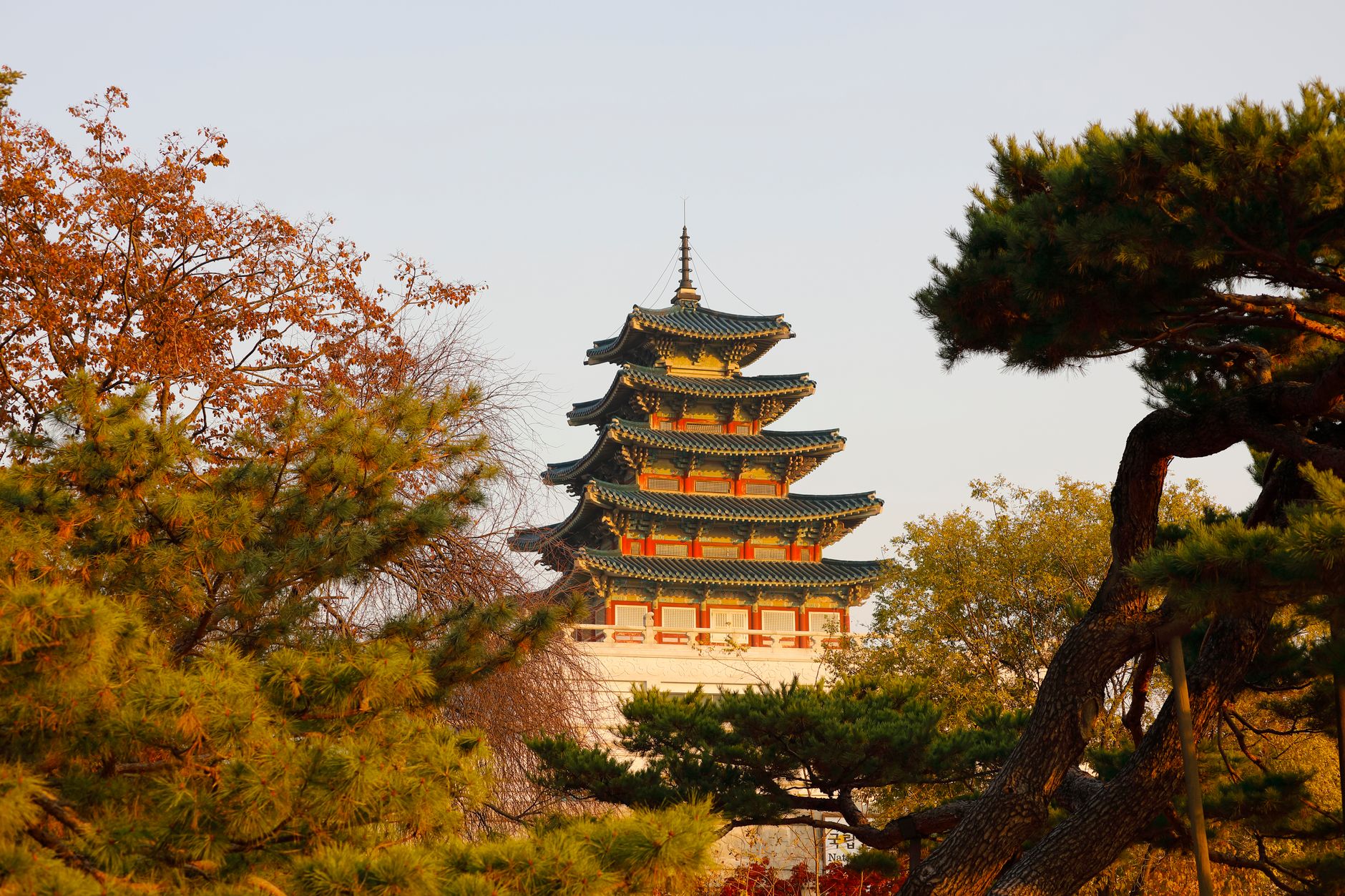
Golden autumn leaves rustle along the stone walls of Gyeongbokgung Palace as students capture memories of their own handwritten calligraphy scrolls against a backdrop of brilliant red and orange maples. Autumn is the absolute perfect time to experience this creative side of Korea, as the comfortable, crisp weather makes exploring outdoor art markets and historic quarters an absolute joy.
Our specialized educational tour itineraries are designed to give Indian school groups a seamless, safe, and deeply immersive cultural experience. We take care of all travel logistics, curate vegetarian-friendly dining, and arrange exclusive hands-on workshops with master artisans. Ready to design your own Korean cultural adventure? Book our 5N-6D Seoul & Around School Group Tour today and dive deep into Korea's rich artistic traditions!
Planning a Korea School Trip?
This story is connected to one of our tour packages. Explore the full itinerary and pricing.
Share this article