South Korea Educational Tour Guide for Schools
인도 학생 및 교육 그룹을 위한 대한민국 교육 여행 가이드
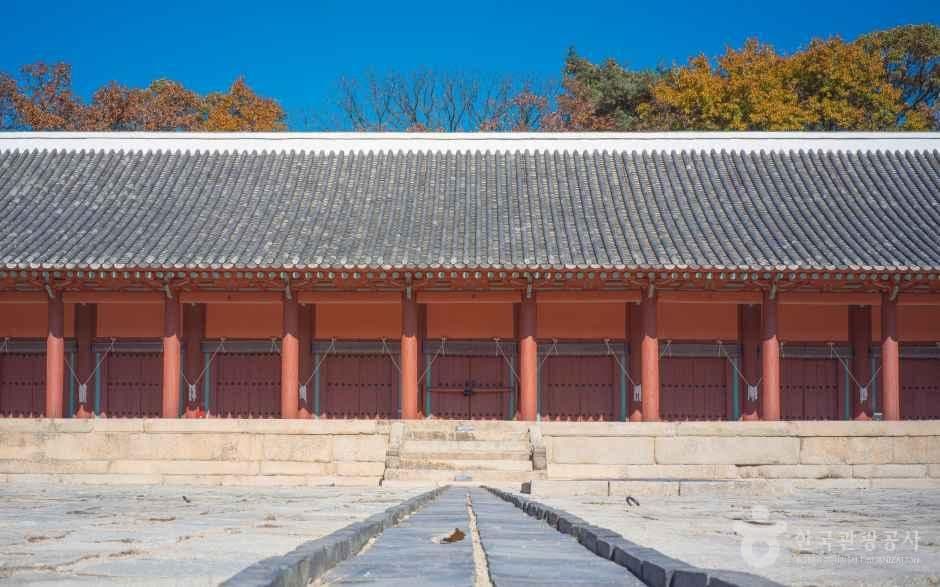
사진 제공: 한국관광공사
The Sensory Tapestry of Korean Heritage and High Tech
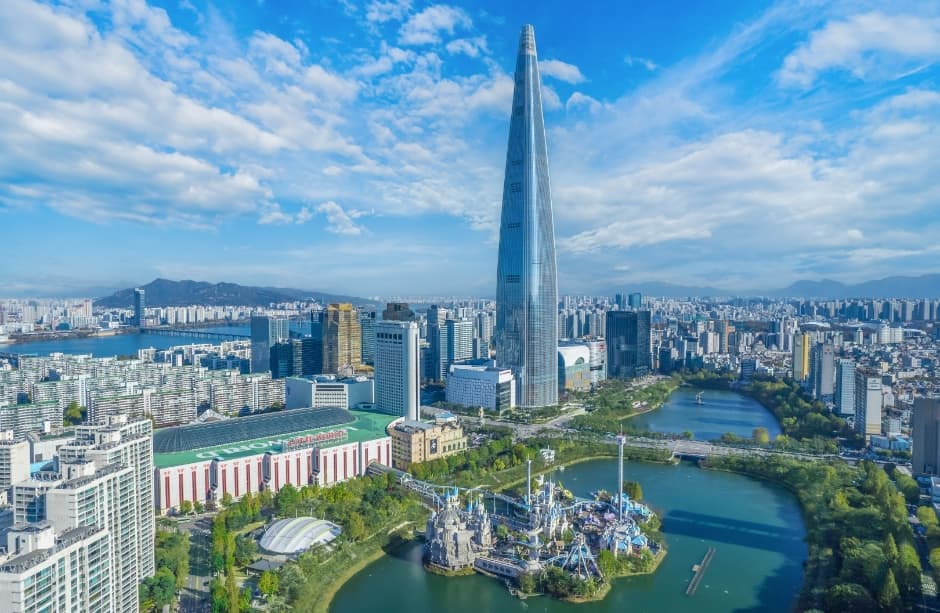
The gentle chime of windbells at Bongeunsa Temple blends seamlessly with the distant, rhythmic hum of the Gangnam district. As you step out of the quiet, pine-scented courtyard, the towering glass facade of the COEX Convention Center looms overhead, reflecting the bright summer afternoon sun. This striking juxtaposition of ancient history and hyper-modernity is what makes South Korea an unparalleled classroom for young minds. For Indian students, who come from a land of deep civilizational roots and rapid digital growth, South Korea offers a fascinating mirror image and an inspiring vision of the future.
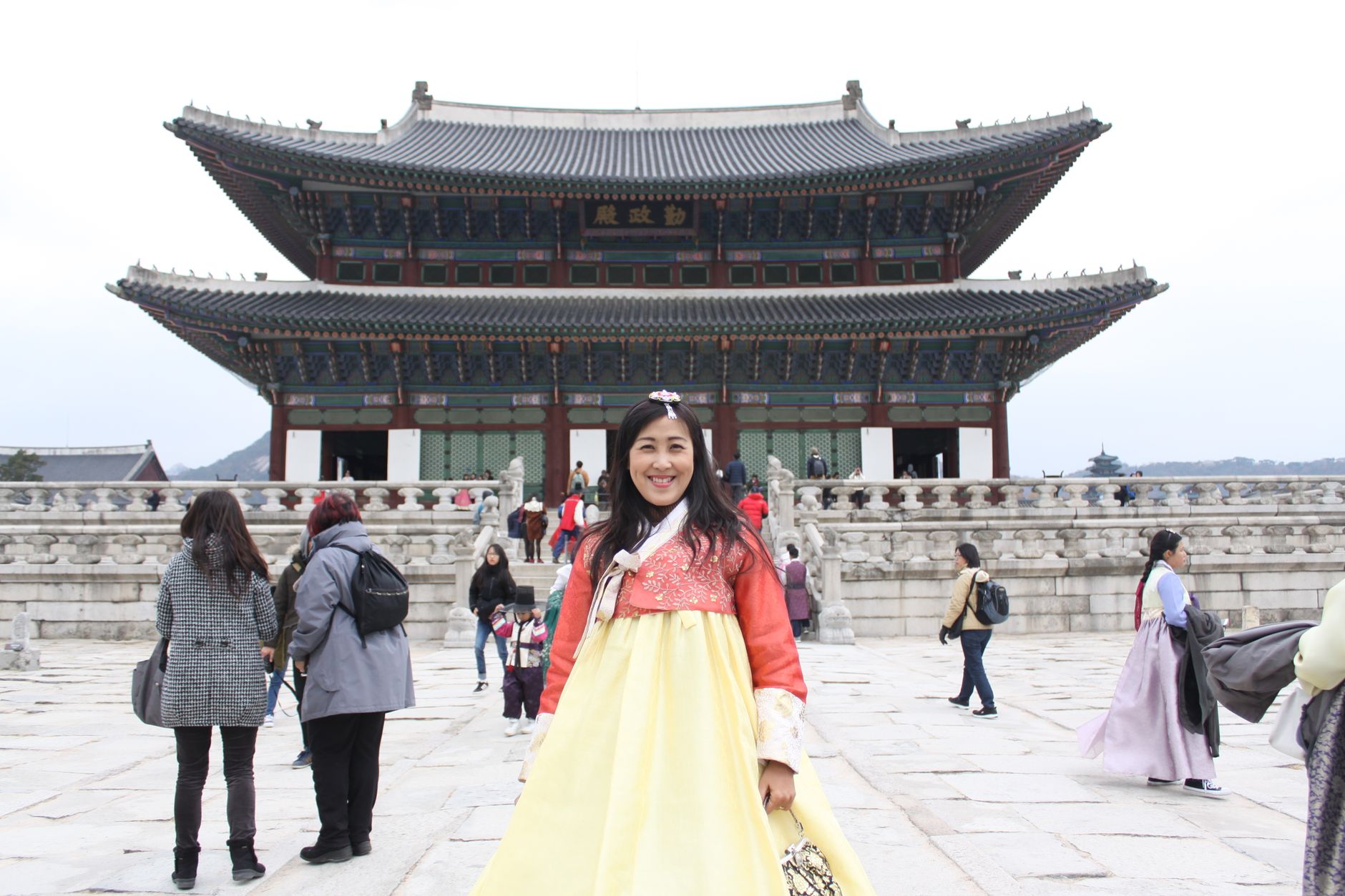
An educational journey through South Korea typically spans three distinct regions, each offering unique learning opportunities. In Seoul, students can explore Gyeongbokgung Palace, the grandest of the Joseon Dynasty palaces, where they can study traditional architecture and statecraft. Just a few hours away lies Gyeongju, known as the "museum without walls." Here, the ancient Silla Kingdom comes alive through the Bulguksa Temple and the Seokguram Grotto, showcasing eighth-century stone engineering that rivals India’s own ancient monuments. Finally, Jeju Island provides a natural science laboratory like no other, featuring volcanic lava tubes, basalt cliffs, and the majestic Seongsan Ilchulbong (Sunrise Peak) formed by hydrovolcanic eruptions thousands of years ago.
Navigating these destinations as a group is remarkably smooth. South Korea’s public infrastructure is globally renowned for its efficiency. The KTX high-speed train connects Seoul to Gyeongju in just two hours, while Jeju is easily accessible via short, frequent domestic flights. For student groups, chartered coach buses remain the most comfortable and secure option, allowing educators to maintain schedules while ensuring students travel together safely and comfortably.

Smart Classrooms and Sci-Tech Exploration
The soft whir of a robotic arm greets you as you enter the Samsung Innovation Museum in Suwon, where interactive screens track your hand gestures with flawless precision. Here, history is not merely read from textbooks; it is experienced dynamically. For Indian students pursuing STEM (Science, Technology, Engineering, and Mathematics) pathways, South Korea is a living laboratory. Visiting world-class tech hubs and research centers offers students a first-hand look at the global semiconductor, automotive, and robotics industries that shape our world.
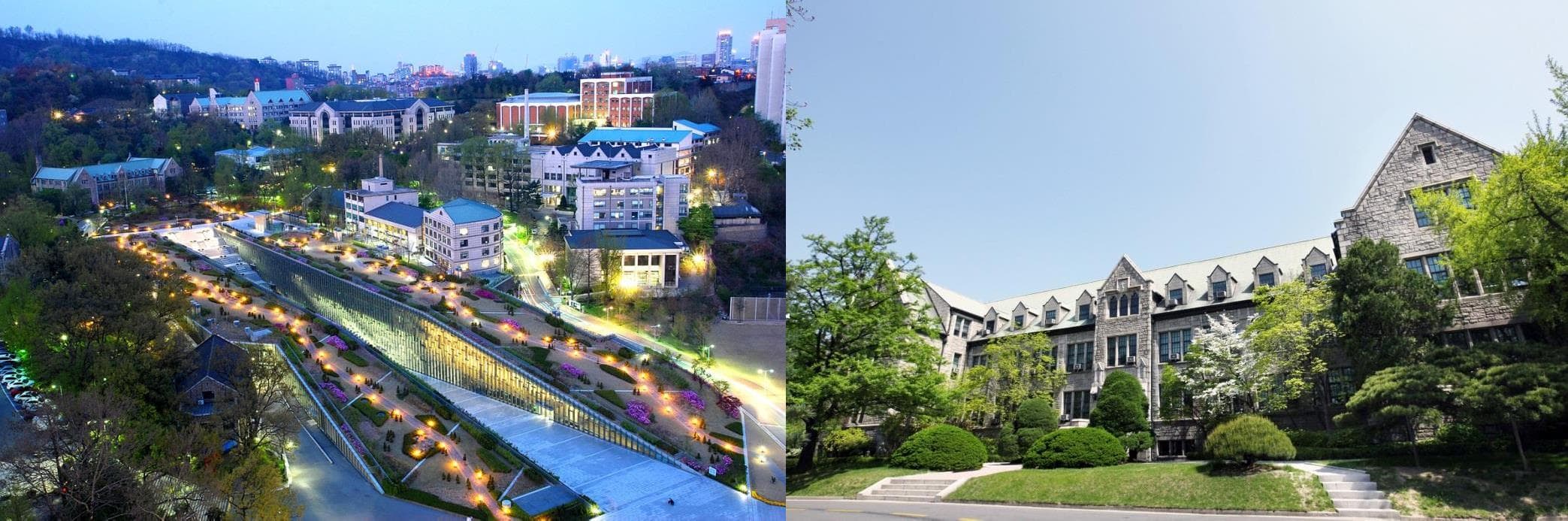
Beyond corporate innovation centers, South Korea’s academic institutions are highly welcoming to international visitors. Educational tours can include campus visits to prestigious universities like Seoul National University (SNU) or Yonsei University. These visits often feature interactive lectures on artificial intelligence, green energy, and sustainable urban planning. These sessions help students understand how South Korea rebuilt its economy after the Korean War to become a global technological powerhouse—a phenomenon known as the "Miracle on the Han River."
To make the learning experience hands-on, we integrate creative workshops into every itinerary. Students can participate in K-pop dance classes led by professional choreographers, learn the delicate art of making *Hanji* (traditional handmade paper), or program miniature robots at specialized educational centers. These activities foster teamwork, boost confidence, and bridge the cultural gap through shared, joyful experiences.
Navigating the Korean Dining Table: Vegetarian, Jain, and Indian Flavors
Steam rises from a sizzling hot stone bowl, carrying the rich, nutty aroma of toasted sesame oil and fresh mountain ferns. This is *bibimbap*, South Korea’s legendary mixed rice bowl, customized to perfection for the Indian palate. One of the primary concerns for Indian parents and teachers planning a trip to East Asia is food. However, South Korea’s culinary landscape is surprisingly adaptable, and with a little preparation, vegetarian, vegan, and even strict Jain travelers can enjoy delicious, wholesome meals throughout their journey.
The secret to effortless vegetarian dining in Korea lies in its deep Buddhist heritage. *Sachal Eumsik* (Korean temple food) is naturally vegan and prepared entirely without the use of the "five pungent vegetables" (onions, garlic, chives, wild chives, and leeks), making it perfectly suited for Jain travelers. Restaurants specializing in temple food serve an array of seasoned wild mountain herbs, lotus root dishes, and soybean-based stews that are both nourishing and culturally authentic. For everyday dining, popular Korean dishes like *Japchae* (stir-fried sweet potato glass noodles with vegetables), *Pajeon* (savory green onion pancakes), and vegetable *Gimbap* (seaweed rice rolls) can easily be ordered without meat or fish sauce.
For groups craving familiar tastes, South Korea’s major cities boast excellent Indian restaurants certified by local culinary boards. Districts like Itaewon and Myeongdong in Seoul feature highly rated establishments serving authentic North and South Indian cuisine, prepared by Indian chefs using halal and vegetarian ingredients. When traveling with KoreaEdu Tours, we coordinate directly with restaurants in advance to ensure that all dietary requirements—including strict vegetarian, Jain, and nut-allergy restrictions—are meticulously managed, allowing students to focus on their learning journey without any dietary worries.

Smooth Logistics: Visas, Connectivity, and Budgets in INR
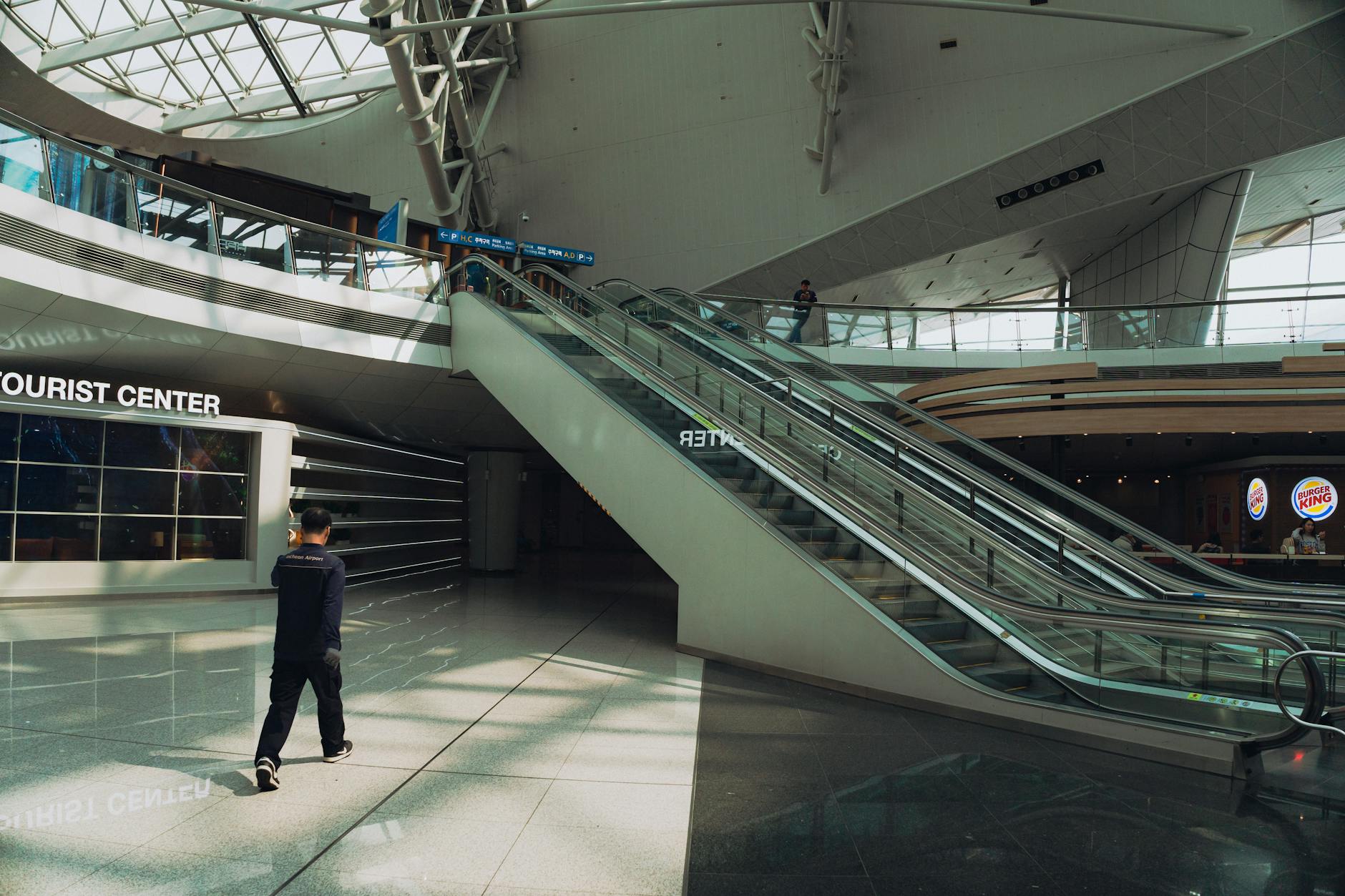
A crisp beep sounds as you tap your T-money card against the turnstile at Seoul Station, instantly clearing your path to the clean, air-conditioned subway platform. Planning an international group tour requires careful attention to logistical details. Fortunately, South Korea is one of the most organized and digitally advanced travel destinations in the world, making group management straightforward and stress-free for teachers and administrators.
The visa process for Indian passport holders is streamlined through the Korea Visa Application Centers (KVAC) located in New Delhi and Kolkata. For large educational groups, simplified group visa applications are available, reducing processing times and paperwork. Financially, South Korea offers excellent value for educational investments. While the local currency is the South Korean Won (KRW), budgeting in Indian Rupees (INR) is highly manageable. On average, a student's daily expenses for meals, local transit, and museum entries range from ₹3,000 to ₹5,000 INR. High-speed Wi-Fi is ubiquitous across the country, but we recommend equipping each student group with portable pocket Wi-Fi routers or local eSIMs to ensure constant connectivity and easy communication.
Safety is South Korea's greatest asset for student travel. With exceptionally low crime rates, well-lit streets, and a highly civic-minded population, teachers can lead outdoor excursions with peace of mind. Street signs and public transit announcements are universally available in English, and emergency medical services are world-class, ensuring that student health and safety are fully protected at all times.
Cultural Etiquette and Group Travel Wisdom
You offer a slight, respectful bow as the host hands you a fresh cup of barley tea, using both hands to accept the cup in a quiet, reciprocal gesture of politeness. This simple act of respect, deeply rooted in Confucian values, mirrors the traditional values of hospitality and respect for elders found in Indian culture. Teaching students these small cultural nuances before they arrive ensures a respectful, harmonious journey that leaves a positive impression on their hosts.
When traveling in South Korea, keeping a few key etiquette points in mind goes a long way. Always use two hands when giving or receiving objects, whether it is a business card, money, or a glass of water. On public transit, maintaining a quiet, conversational tone is highly appreciated, and seats reserved for the elderly, pregnant women, and the disabled are strictly left empty, even on crowded trains. Additionally, removing shoes when entering traditional accommodations, temples, or certain restaurants is a standard practice that highlights the importance of cleanliness and respect for indoor spaces.
Educational travel is about expanding horizons, building character, and fostering global citizenship. By preparing students with cultural insights, dietary confidence, and seamless logistics, we create life-changing journeys that inspire their academic and personal futures. Ready to plan an extraordinary educational adventure for your school or university? Explore our Seoul, Gyeongju, and Jeju Educational Tour Package to begin designing a customized itinerary that will inspire and educate your students for years to come.
Planning a Korea School Trip?
This story is connected to one of our tour packages. Explore the full itinerary and pricing.
Share this article