Beat the Heat: The Ultimate Summer Travel Guide to South Korea for Indian Travelers
더위를 이기다: 인도 여행자를 위한 한국 여름 여행 가이드

Photo by makafood on Pexels
The Electric Energy of Korean Summer
Step off the plane in Seoul and you are immediately greeted by the sweet, caramelized scent of street-side dalgona candy mixing with the cooling, misty spray of outdoor fans in Myeongdong. The sky is an intense, vibrant blue, and the energy in the air is electric. Summer in Korea, spanning from June to August, is a season of unbridled joy, late-night picnics along the Hangang River, and lively street life. For Indian travelers, who might think they have experienced every kind of summer, Korea offers a uniquely kinetic, fast-paced summer experience. It is a time when the entire country comes alive with outdoor concerts, night markets, and seaside escapes, making it one of the most exciting times of the year to visit.
However, visiting during this vibrant season requires strategic planning. Unlike the dry, scorching summers of Northern India, Korea's summer is a tropical, humid affair with dramatic shifts in weather. Planning ahead ensures your family or school group can fully enjoy the outdoor festivals and coastal beauty without being caught off guard by the elements. From the bustling streets of Seoul to the historic paths of Gyeongju and the breezy coastlines of Jeju, a well-prepared summer trip promises an unforgettable cultural adventure.
Navigating the Heat and Jangma: Weather and Packing Tips
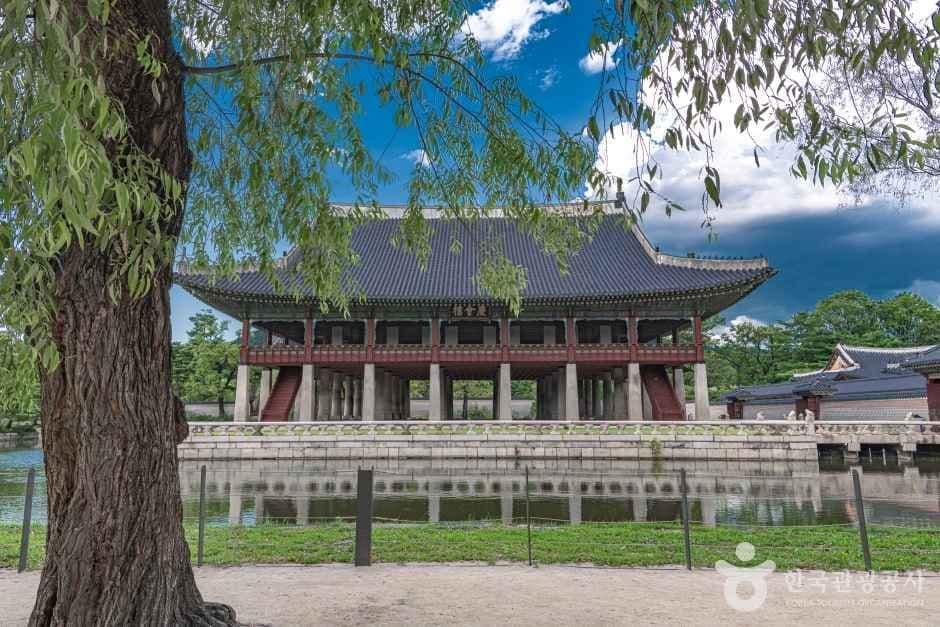
Picture yourself walking through the majestic Gyeongbokgung Palace, the ancient pine trees heavy with summer rain, their rich woody scent amplified by the warm humidity. While many Indian travelers are accustomed to high temperatures, South Korea's summer humidity presents a different kind of warmth. Temperatures hover between 25°C and 35°C, but the humidity can make it feel much warmer. Crucially, late June through July brings Jangma, the summer monsoon season. Unlike the continuous, heavy downpours of the Indian monsoon, Jangma often consists of short, heavy showers followed by bright, clear sunshine, making the landscape look incredibly lush and green.
To stay comfortable, we recommend packing lightweight, breathable cotton or linen clothing that dries quickly. A sturdy, compact travel umbrella and a pair of comfortable, slip-resistant waterproof walking shoes or sandals are absolute essentials for navigating wet cobblestone streets. Because Korean indoor spaces—including subways, malls, and museums—are heavily air-conditioned, always carry a light cardigan or linen shrug to avoid catching a cold. Packing sunscreen with high SPF, sunglasses, and a wide-brimmed hat will keep you protected during the sunny intervals when you are exploring outdoor landmarks.

Summer Splendors: Mud Festivals, Lotus Blooms, and Hydrangea Trails
Listen to the cheerful splashes and laughter echoing across the mud flats of Daecheon Beach, where the world-famous Boryeong Mud Festival takes place every July, transforming the coastline into a giant, mud-slicked playground. This iconic event, running from late July to early August, is a must-visit for student groups and families, offering mud slides, obstacle courses, and live music. The mineral-rich mud is famous for its skincare benefits, making this a healthy and hilariously fun day out. It is a fantastic way to bond with fellow travelers while enjoying the beautiful West Coast.
If you prefer a more serene summer experience, travel south to historic Gyeongju. Here, the ancient lotus ponds surrounding Donggung Palace and Wolji Pond burst into a sea of delicate pink and white blooms, a breathtaking sight that feels like an ancient Korean painting come to life. Meanwhile, on Jeju Island, the coastal roads and botanical gardens are lined with massive, vibrant globes of blue, purple, and pink hydrangeas. These natural spectacles provide stunning backdrops for photographs, offering students and educators an immersive look into Korea's deep cultural appreciation for seasonal nature.

Chilling Culinary Delights: Cold Noodles and Sweet Patbingsu
Imagine sitting in a cozy, wooden-beamed hanok cafe in Bukchon Hanok Village, listening to the rhythmic whir of an ice shaver as it transforms milk ice into a snowy mound, topped with sweet red azuki beans, chewy tteok (rice cakes), and roasted grain powder. This is Patbingsu, Korea's ultimate summer dessert, and it is a vegetarian's dream. Summer in Korea is defined by its cold culinary specialties, designed to cool the body from the inside out. For Indian travelers, especially those seeking pure vegetarian, Jain, or halal-friendly dining options, the summer menu offers some of the most accessible and delicious treats in the country.
For a refreshing lunch, skip the hot stews and seek out Kongguksu—a seasonal specialty of chewy wheat noodles served in a thick, velvety, and incredibly savory broth made from freshly ground soybeans. This dish is naturally vegan, packed with protein, and served ice-cold with crisp cucumber juliennes. Another cooling option is Subak-hwachae, a traditional watermelon punch made with sweet melon balls, milk, and sparkling soda. Many traditional restaurants also offer vegetarian Mul-naengmyeon (cold buckwheat noodles in a tangy, chilled pear broth) upon request. These unique, meat-free dishes make dining in Korea during the summer an absolute delight for Indian palates.

Beating the Peak-Season Rush: Smart Travel Logistics
Imagine sliding a sleek Tmoney card over a subway turnstile, stepping into a perfectly chilled train carriage that whisks you across Seoul in minutes, completely insulated from the midday heat. Summer is peak travel season in Korea, especially from late July to early August when local schools and offices take their summer breaks. Popular destinations like Jeju Island and Gyeongju see a surge in domestic visitors, which can lead to fully booked trains, higher accommodation prices, and longer queues at major attractions.
To mitigate these challenges, booking your KTX high-speed train tickets and accommodation at least a month or two in advance is essential. For school groups and families, traveling with an organized tour operator like KoreaEdu Tours ensures that your transport, tickets, and dining arrangements are secured long before you fly. Additionally, renting a pocket Wi-Fi router or setting up an eSIM directly at Incheon Airport allows your group to stay connected seamlessly, helping you check real-time queue times at theme parks like Everland or navigate Seoul's highly efficient subway system with ease.

Your Summer Adventure Awaits
Visualize watching the sunset over the dramatic volcanic cliffs of Jeju Island, a cool sea breeze carrying the scent of salt water, while the historic lights of Gyeongju and the neon skyline of Seoul wait to welcome you. Summer in Korea is a sensory feast of bright colors, refreshing foods, and unforgettable festivals that bring people together. By preparing for the climate and securing your bookings early, your summer journey will be filled with seamless, joyful memories.
At KoreaEdu Tours, we specialize in crafting enriching, comfortable, and culturally immersive travel experiences tailored specifically for Indian school groups, teachers, and families. From arranging pure vegetarian and Jain-friendly meals to managing peak-season logistics with ease, we ensure your trip is educational, safe, and incredibly fun.
Ready to embark on an unforgettable summer journey? Explore our Seoul, Gyeongju, and Jeju summer tour package today and secure your school or family group's spot for the ultimate Korean adventure!

Planning a Korea School Trip?
This story is connected to one of our tour packages. Explore the full itinerary and pricing.
Share this article