KAIST and India: Building Tech Talent Together
카이스트: 인도의 미래 혁신가들이 한국의 기술적 꿈을 만나는 곳
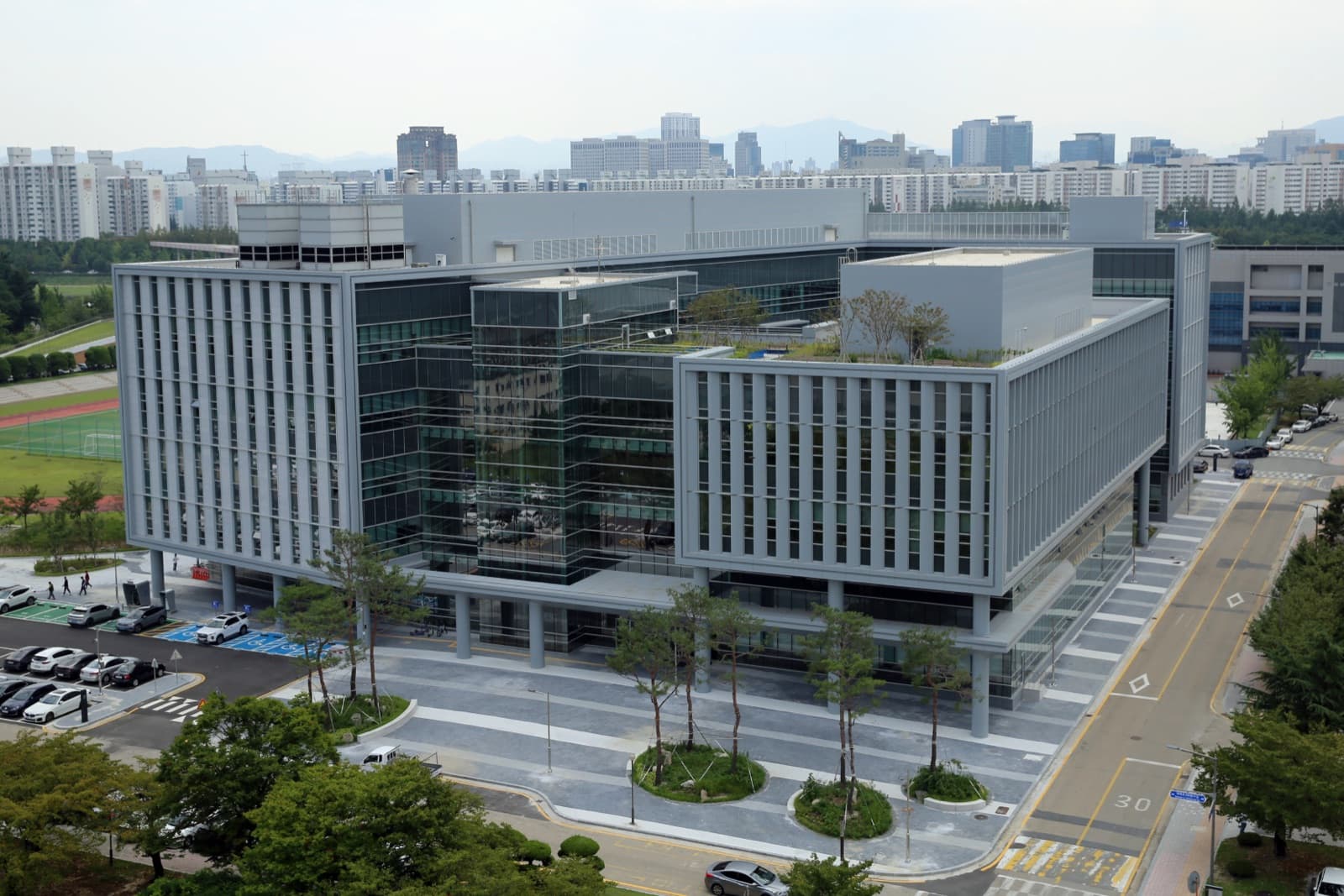
Photo by Rickinasia on Wikimedia
Welcome to the Campus of Tomorrow
The air in Daejeon feels different. It’s not just the clean, crisp atmosphere of a city nestled among parks and mountains; it’s charged with a quiet, intense energy. As your group arrives at the Korea Advanced Institute of Science and Technology (KAIST), you understand why. Sleek, glass-paneled buildings reflect the lush green lawns, creating a seamless blend of nature and futuristic design. This isn't just a university; it's a living laboratory, a vision of the future brought to life. You hear the murmur of students conversing in multiple languages, their minds buzzing with complex equations and groundbreaking ideas. This is the heart of South Korea's technological prowess, and you've just stepped inside.
Founded in 1971 to educate elite scientists and engineers for a rapidly industrializing nation, KAIST has since become a global powerhouse in STEM education and research. Located in Daedeok Innopolis, Korea’s largest science and research cluster, the campus is an ecosystem of innovation. It's consistently ranked among the top universities in Asia and the world for engineering and technology, making it a place of pilgrimage for aspiring scientists, programmers, and inventors from across the globe, especially from India, a nation with its own rich legacy of scientific achievement.

Inside the Labs: A Glimpse into the Future
Imagine standing face-to-face with HUBO, the world-famous humanoid robot developed right here in the labs of KAIST. This is not science fiction; it's a regular Tuesday. A tour of KAIST is a journey through the frontiers of human knowledge. In the robotics labs, you'll see machines that can walk, assist in disaster relief, and even conduct orchestras. In the bioengineering departments, researchers are pioneering new techniques in gene editing and disease treatment. The energy and passion are palpable. Professors, many of whom are leading figures in their fields, work side-by-side with students, fostering a culture of collaboration and relentless curiosity.
For Indian students passionate about AI, computer science, or mechanical engineering, KAIST represents the pinnacle of practical, impact-driven research. The university’s motto, 'Education, Research, and Globalization,' is evident everywhere. It’s a place that doesn't just teach theory but actively encourages students to build, create, and solve real-world problems. This hands-on approach is incredibly inspiring, showing a clear path from a classroom concept to a world-changing invention.
A Day at KAIST: Your Campus Tour Experience
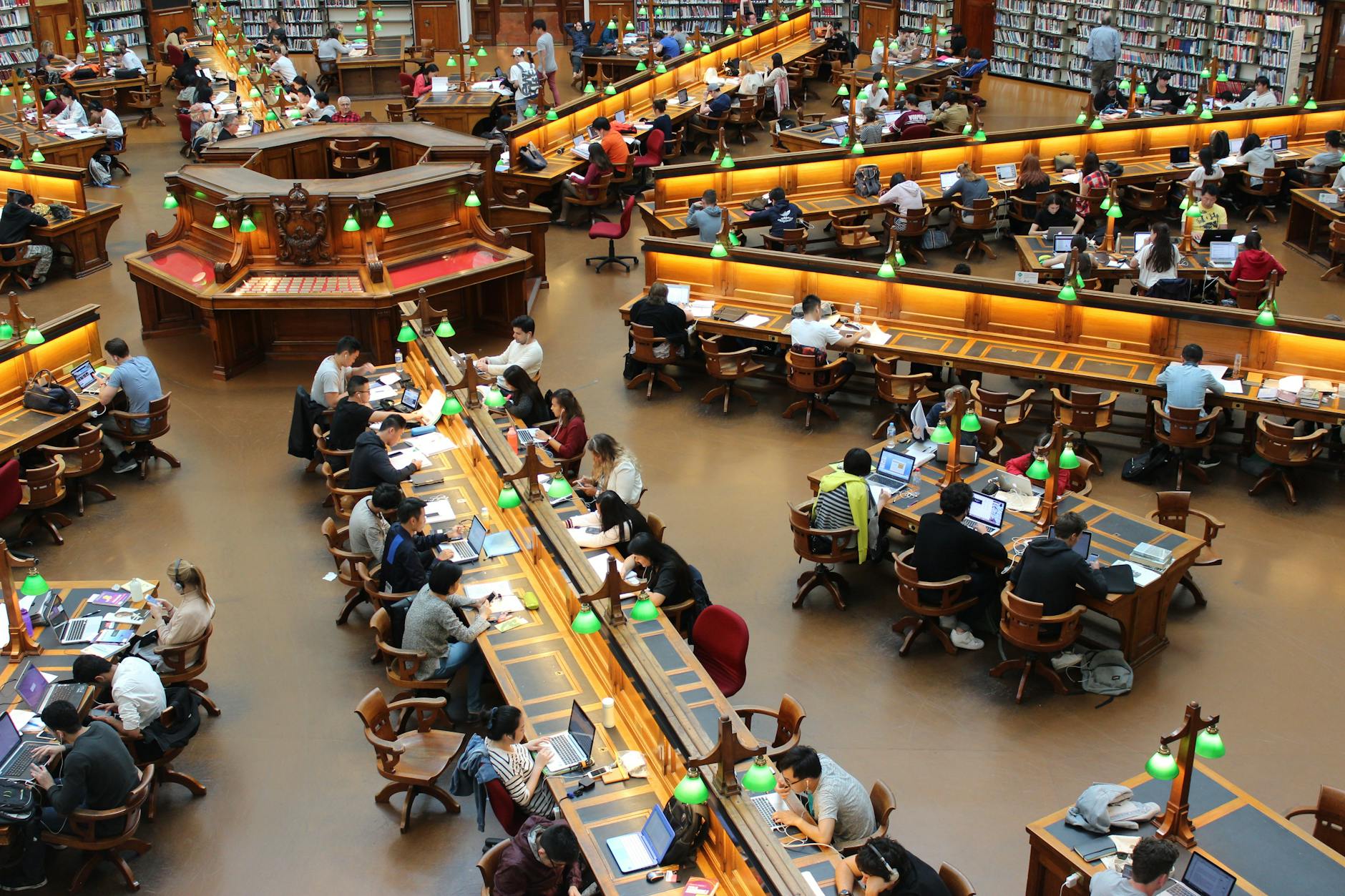
Your day begins at the main administrative building, where a student ambassador—perhaps an Indian student pursuing their PhD—greets your group with a warm smile. The first stop is the impressive main library, a sanctuary of knowledge with vast digital archives and quiet study spaces where future Nobel laureates might be working. As you walk through the Department of Computer Science, you see students collaborating on complex code, their screens filled with algorithms that could power the next global app.
Lunch at the campus cafeteria is an experience in itself. Amidst the lively chatter, you'll find a surprising variety of options. While Korean food is the star, there are dedicated stalls offering international cuisine, and finding vegetarian or halal-friendly meals is easier than you might think. Your guide points out the availability of rice, fresh vegetables, tofu dishes (dubu), and lentil-based options. After lunch, the tour continues to a specialized research center, where a professor might give a short presentation on their work, sparking a dozen questions from your curious group. This direct interaction is what makes a KAIST visit so valuable—it demystifies high-level research and makes it accessible.
Crucially, KAIST has strong ties with India. It has signed Memorandums of Understanding (MOUs) with top Indian institutions like the IITs (Indian Institutes of Technology) and actively recruits Indian students for its graduate programs, recognizing the immense talent they bring. Seeing this bridge between two great nations in action is a powerful motivator.
From Dream to Reality: Planning Your Educational Visit
Located in Daejeon, about an hour south of Seoul by the super-fast KTX train, KAIST is highly accessible for educational tour groups. Visits for school and university groups are not open to the public for walk-ins and must be arranged in advance to ensure a structured and meaningful experience. This typically involves coordinating with the university's international relations office to schedule a campus tour, which can often be tailored to the academic interests of the visiting student group, whether that's robotics, aerospace engineering, or life sciences.
Navigating the logistics of a group visit, from transportation and scheduling to ensuring the tour content is relevant and inspiring, requires expert planning. This is where an educational tour specialist can transform a good trip into an unforgettable, life-changing experience. We handle the arrangements so you can focus on absorbing the atmosphere of innovation that defines this incredible institution.
Are you an educator looking to inspire your students with a firsthand look at one of the world's top technology universities? A visit to KAIST can be a cornerstone of a STEM-focused educational tour of South Korea. Let KoreaEdu Tours craft the perfect itinerary for your school group. Discover our school and university tour packages and open your students' eyes to a world of possibility.

Planning a Korea School Trip?
This story is connected to one of our tour packages. Explore the full itinerary and pricing.
Share this article