Korean Street Food Guide for Indian Travelers
달콤하고 매콤하며 시원한 맛: 인도 여행자를 위한 한국 길거리 음식 가이드

Photo by Tea Creative on Pexels
Hotteok (호떡) - The Sweet, Griddle-Sizzled Sensation
You stand on a lively street corner in Seoul's historic Insadong neighborhood, where the warm evening air is thick with the sweet aroma of caramelized sugar and yeast-risen dough. Before you, a street vendor skillfully presses a golden-brown dough ball onto a sizzling, oiled griddle. As it cooks, the dough puffs up into a perfect, crispy disc. With your first bite, the outer layer crackles delicately, yielding to a molten, gooey center of dark brown sugar, cinnamon, and crunchy sunflower seeds. It is a sensory revelation—a pocket of pure warmth and sweet comfort.
While traditionally a winter classic, hotteok has evolved beautifully for the warm summer months. At trendy spots like Mangwon Market and Nami Island, you can experience "Ice Cream Hotteok," where the piping-hot, syrup-filled pancake is served over a mound of creamy vanilla soft-serve and drizzled with condensed milk. The contrast between the scorching, chewy pancake and the icy, silky cream is absolutely brilliant. If you prefer savory flavors, look out for "Yachae Hotteok" in Namdaemun Market, which is stuffed with savory glass noodles and vegetables instead of sweet sugar.
Indian Traveler Notes: Hotteok is a dream come true for Indian vegetarians! The classic sweet version is entirely vegetarian, utilizing wheat and rice flour, brown sugar, cinnamon, and various nuts like peanuts and sesame seeds. For Jains, please note that the yeast used to ferment the dough is a microscopic fungus, which some extremely strict practitioners avoid, though it is widely accepted by most. If you have nut allergies, simply ask the vendor for a plain sugar version. The intense warmth of the cinnamon syrup will instantly remind you of home-style sweets like jalebi or sheera, but with a unique Korean twist.

Bingsu (빙수) - The Ultimate Snowy Summer Cool-Down
A mountain of snow so fine it mimics the winter peaks of Seoraksan sits on the table before you, glowing under the cafe lights. Drizzled with rich condensed milk and piled high with ripe, golden cubes of fresh mango, this is bingsu, South Korea’s legendary shaved ice dessert. As you slide your spoon through the delicate, milk-infused ice, it doesn’t crunch; instead, it melts instantly on your tongue like a sweet, creamy cloud, providing an immediate, blissful respite from the August heat.
Bingsu comes in many tempting varieties. The traditional version, known as patbingsu, features sweet red bean paste (pat) and chewy little tteok (rice cakes) on top, dusted with roasted soybean powder. For a modern twist, cafes across Seoul offer extravagant versions loaded with fresh strawberries, matcha, chocolate brownies, or even real cheesecake slices. It is a highly social dessert, typically served in massive bowls designed for sharing with your travel companions.
Indian Traveler Notes: If you love Indian desserts like kulfi, falooda, or gola, bingsu will feel both comforting and wonderfully premium. It is entirely vegetarian and exceptionally safe for Indian palates. Jains can safely enjoy fruit-based or chocolate bingsu, as long as they avoid versions with root-based gelatin or specific stabilizers (though most high-quality milk-shaved ice uses pure milk and fresh toppings). It is the perfect mid-afternoon treat to keep your energy levels high while exploring the palace gates of Seoul.

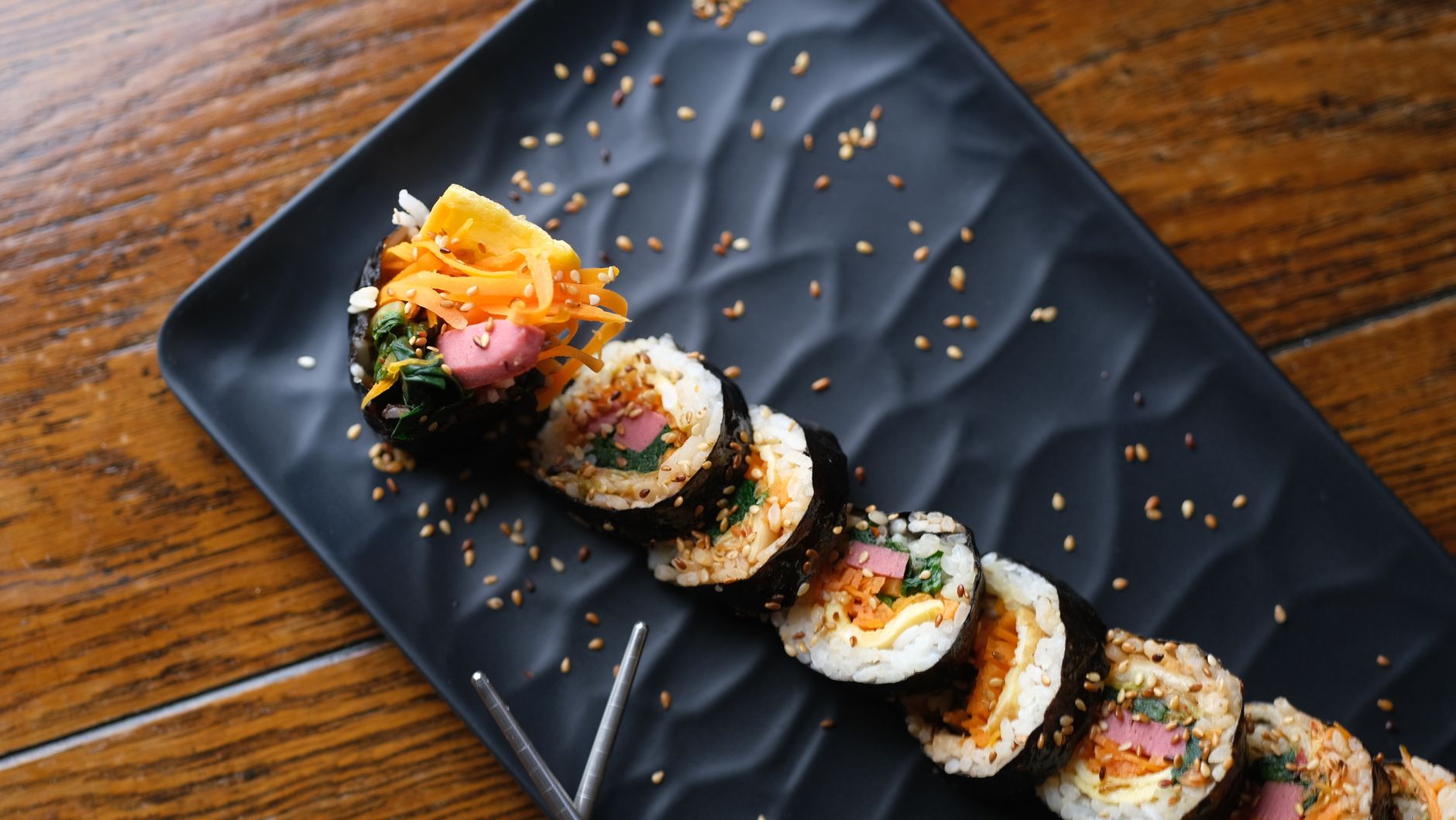
Kimbap (김밥) - The Customisable Seaweed Rice Roll
The nutty, comforting aroma of toasted sesame oil greets you as a local vendor deftly rolls a sheet of crisp dried seaweed over a bed of seasoned purple rice. With swift, practiced movements of a sharp knife, the roll is sliced into bite-sized coins, revealing a colorful mosaic of bright orange carrots, yellow pickled radish, green spinach, and seasoned burdock root. It is clean, portable, and incredibly satisfying—the ultimate Korean picnic food.
Kimbap is deeply woven into the daily lives of Koreans. You will see students grabbing a roll between classes, busy office workers eating them for lunch, and families packing them for weekend hikes. While standard rolls often contain ham, crab stick, or egg, the beauty of kimbap lies in its absolute customization. Specialized kimbap shops across the country allow you to choose exactly what goes into your roll, making it a reliable and nutritious go-to meal during your travels.
Indian Traveler Notes: For pure vegetarians and vegans, kimbap is your secret weapon in Korea. Simply order "Yachae Kimbap" (vegetable kimbap) and politely ask the vendor: "Gogi-rang gyeran-eun ppae-juseyo" (Please remove the meat and egg). For Jain travelers, kimbap requires careful navigation, as the yellow pickled radish (danmuji) is a root vegetable, and the spinach is often seasoned with a hint of garlic. However, many modern cafes are happy to roll a custom version with just cucumber, carrots, and seasoned rice if you explain your dietary preferences.
Japchae (잡채) - The Savory, Sesame-Kissed Glass Noodles
Plump, translucent sweet potato glass noodles glisten in a ceramic bowl, intricately tangled with vibrant slivers of wood ear mushrooms, spinach, and julienned carrots. As you lift a portion with your metal chopsticks, the rich fragrance of toasted sesame oil, sweet soy sauce, and a hint of brown sugar rises with the steam. The noodles are surprisingly chewy and light, offering a mouthfeel that is completely different from traditional wheat-based pasta.
Historically, japchae was a royal dish created for a king's banquet in the 17th century. Today, it remains a beloved celebratory food served during major holidays like Chuseok and Lunar New Year, as well as at family birthday parties. Because the ingredients are lightly stir-fried individually before being tossed together with the noodles, each vegetable retains its distinct crunch and natural flavor, resulting in a beautifully balanced, harmonious dish.
Indian Traveler Notes: Japchae is highly recommended for Indian travelers who prefer mild, savory, and aromatic flavors without intense chili heat. The sweet potato noodles (dangmyeon) are naturally gluten-free and incredibly easy to digest. While traditional recipes sometimes include thin strips of beef, most traditional markets and restaurants can easily prepare a vegetarian version. Simply request it "gogi-eopsi" (without meat) to enjoy a wholesome, plant-based feast that pairs wonderfully with a side of steamed rice.

Tteokbokki (떡볶이) - The Fiery, Chewy Sweet-Spicy Classic
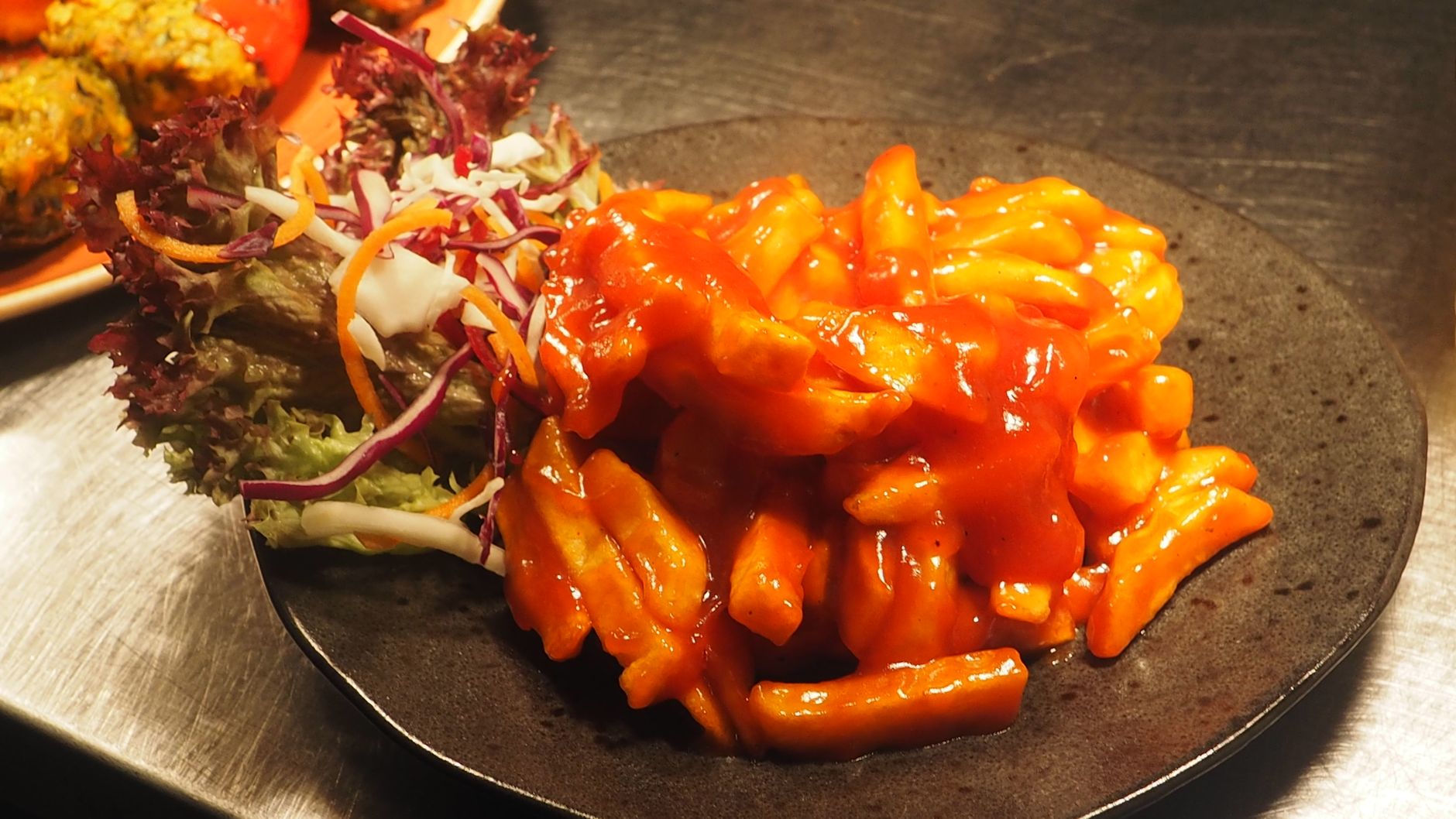
A massive, bubbling iron pan glows with a rich, crimson glaze that sends clouds of steam carrying a sweet and intensely spicy aroma into the evening air. Thick, cylindrical rice cakes simmer happily in this volcanic sauce, absorbing the rich flavors until they are perfectly tender and chewy. This is tteokbokki, South Korea’s undisputed champion of street food, loved by locals for its addictive texture and fiery kick.
For Indian travelers who crave bold spices and rich, comforting textures, tteokbokki is an absolute must-try. The heat comes from gochujang (fermented Korean chili paste), which delivers a complex, sweet-savory burn that builds with every bite. To experience this legendary dish safely, head to specialized plant-based hotspots like "Cow Tteokbokki" near Sinchon or "Vegan Kitchen" in Jongno, where they replace the traditional fish-based broth with clean, vegetable-based stocks that let the pure flavor of the rice cakes shine through.
Indian Traveler Notes: Standard street-stall tteokbokki is almost always cooked in an anchovy-and-kelp broth and mixed with sliced fish cakes (eomuk), making it unsuitable for vegetarians. Always look for certified vegan or vegetarian restaurants to try this dish. For Jains, tteokbokki is generally not suitable due to the heavy use of garlic, onions, and scallions in the spicy sauce. However, for those who can consume these ingredients, a bowl of vegan tteokbokki offers a fiery, satisfying culinary adventure that rivals the best street food of India. Explore our curated Korea tour packages today to experience these culinary wonders firsthand, complete with dedicated vegetarian-friendly dining options and expert local guides!
Planning a Korea School Trip?
This story is connected to one of our tour packages. Explore the full itinerary and pricing.
Share this article