Summer in South Korea: What Indian Travelers Should Know
이열치열과 시원한 단맛: 인도 여행자를 위한 대한민국 여름 여행 완벽 가이드
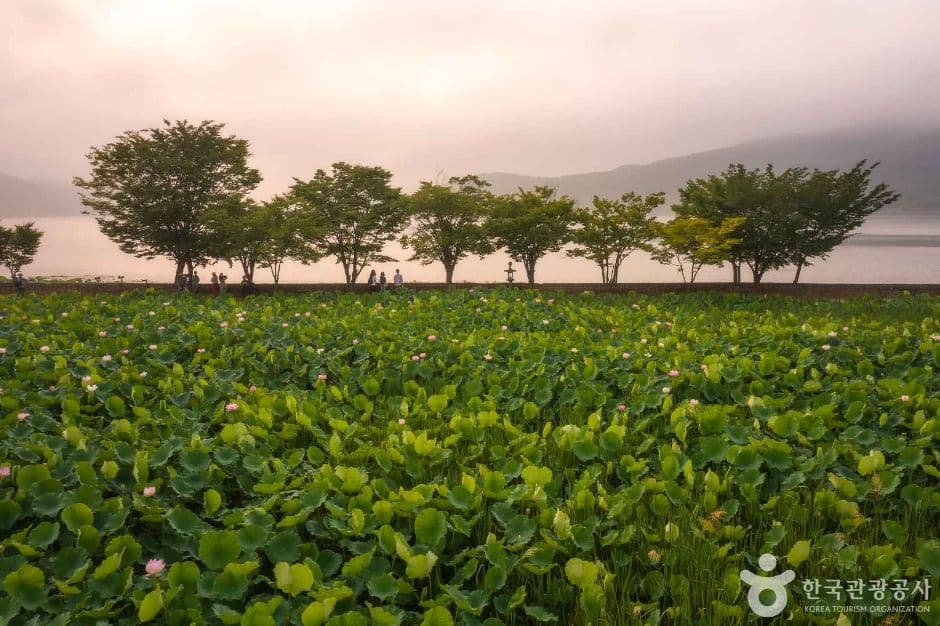
사진 제공: 한국관광공사
The Rhythms of Summer: Embracing Korea's Sun-Drenched Energy
The high-pitched, rhythmic chorus of cicadas echoes through the lush canopy of Namsan Park, while a cool mountain breeze rustles the leaves overhead. Down below, families laugh as they dip their feet into the clear, shallow waters of the Cheonggyecheon Stream, and the sweet aroma of fresh mangoes and sweetened red beans wafts from nearby cafes. Summer in South Korea is not just a season; it is an energetic, sensory-rich festival that pulses through every street and coastal trail.
For Indian travelers, especially students and families planning their travels during school breaks, the Korean summer (June to August) offers a lively backdrop for exploration. It is a time when the country sheds its quiet spring hues and bursts into a kaleidoscopic celebration of music, water festivals, and lush green landscapes. With smart preparation and local insights, you can enjoy an unforgettable summer journey that balances outdoor thrills with cooling, comfortable indoor retreats.
Weather Realities: Navigating 'Jangma' and the Warm Korean Sun
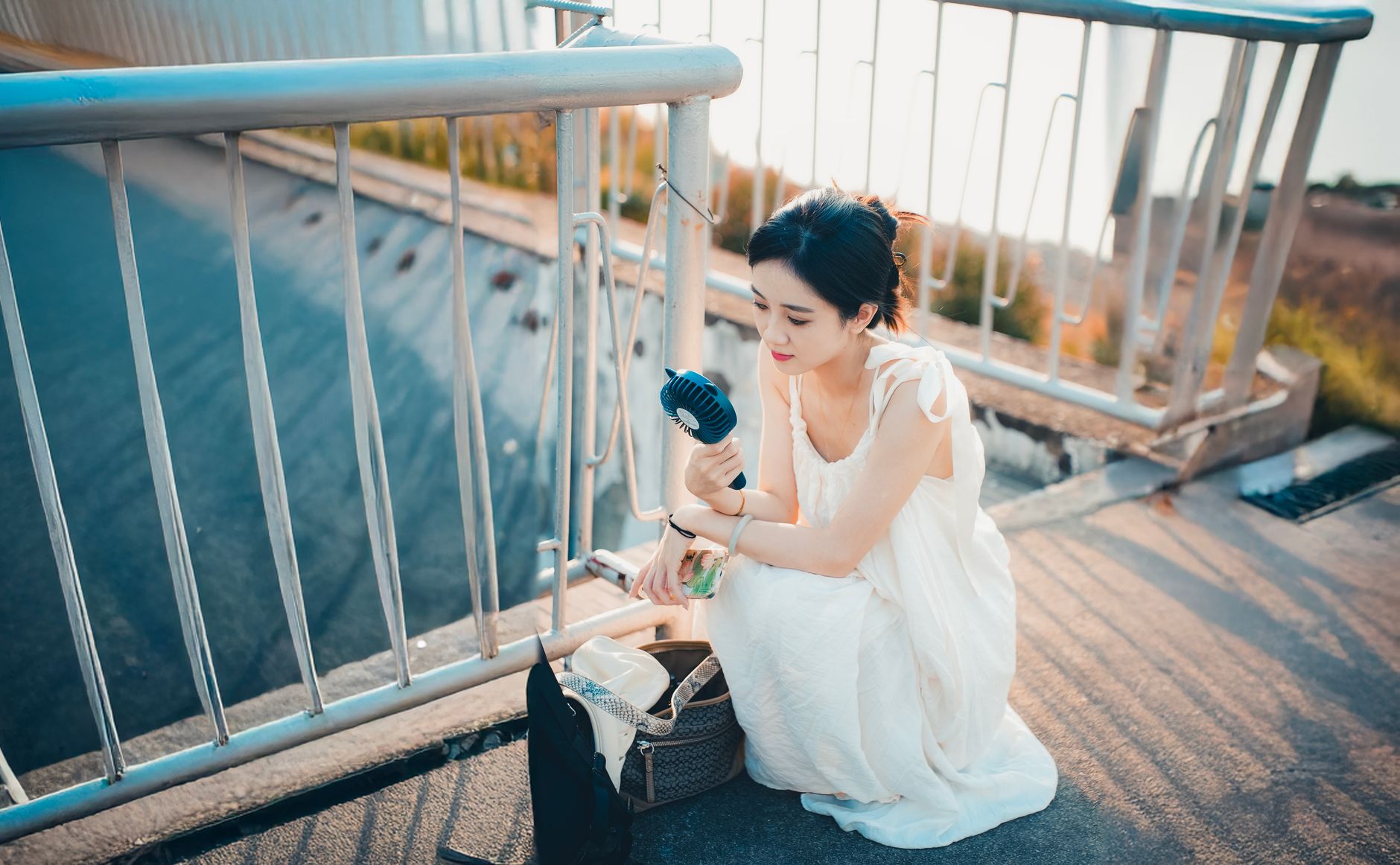
While you might be accustomed to the blistering 40°C+ heat of the Indian plains, South Korea’s summer is characterized by milder but highly humid temperatures, hovering between 25°C and 35°C. This humidity can make the air feel warmer than the thermometer suggests, but it is accompanied by beautiful, clear blue skies. However, there is one seasonal phenomenon you must prepare for: Jangma, Korea’s summer monsoon season. Typically running from late June to mid-July, Jangma is distinct from the endless rainy days of the Indian monsoon. Instead, it features sudden, dramatic downpours that clear up quickly, leaving behind fresh, crisp air.
To stay comfortable, pack lightweight, breathable fabrics like cotton, linen, and moisture-wicking activewear. A sturdy, compact umbrella is an absolute necessity, along with high-SPF sunscreen, sunglasses, and a wide-brimmed hat. Since South Korean indoor spaces—including subway cars, malls, and restaurants—maintain very strong air conditioning, we highly recommend carrying a light cardigan, shrug, or linen jacket to avoid sudden temperature shocks.
Summer Spectacles: Vibrant Festivals and Blooming Ponds
Summer is peak festival season in South Korea, offering immersive cultural and recreational activities that you cannot experience at any other time of the year. One of the most enchanting sights is the Semiwon Garden Lotus Culture Festival in Yangpyeong, running from late June through mid-August. Walking across the Baedari—a historic floating bridge made from 52 traditional wooden boats—you will step into a serene world of thousands of blooming white and pink lotus flowers. The sacred tranquility of these ponds will feel deeply familiar to Indian visitors, yet the meticulously preserved Joseon-Dynasty garden architecture offers a uniquely Korean aesthetic.
For those seeking high-energy excitement, the world-famous Boryeong Mud Festival takes over Daecheon Beach from late July to early August. Perfect for student groups and active families, this festival lets you plunge into massive mud slides, mud pools, and beachside EDM concerts featuring K-pop stars. The mineral-rich mud is celebrated for its skincare benefits, making this a messy but incredibly rejuvenating experience. Additionally, if your itinerary includes Jeju Island, early summer treats you to endless hillsides draped in pastel blue, pink, and purple hydrangeas, creating a dreamlike landscape perfect for photography.

A Feast of Chilled Delights: Vegetarian-Friendly Korean Summer Food
In South Korea, food is medicine, and the summer culinary philosophy is all about cooling your body from the inside out. For Indian travelers, especially those seeking vegetarian or Jain-friendly options, this season offers some of Korea's most delicious culinary treasures. Start your culinary adventure with Kongguksu, a seasonal favorite consisting of chewy wheat noodles served in a thick, savory, ice-cold broth made from freshly ground soybeans. It is naturally 100% vegan, high in protein, and incredibly refreshing on a warm afternoon.
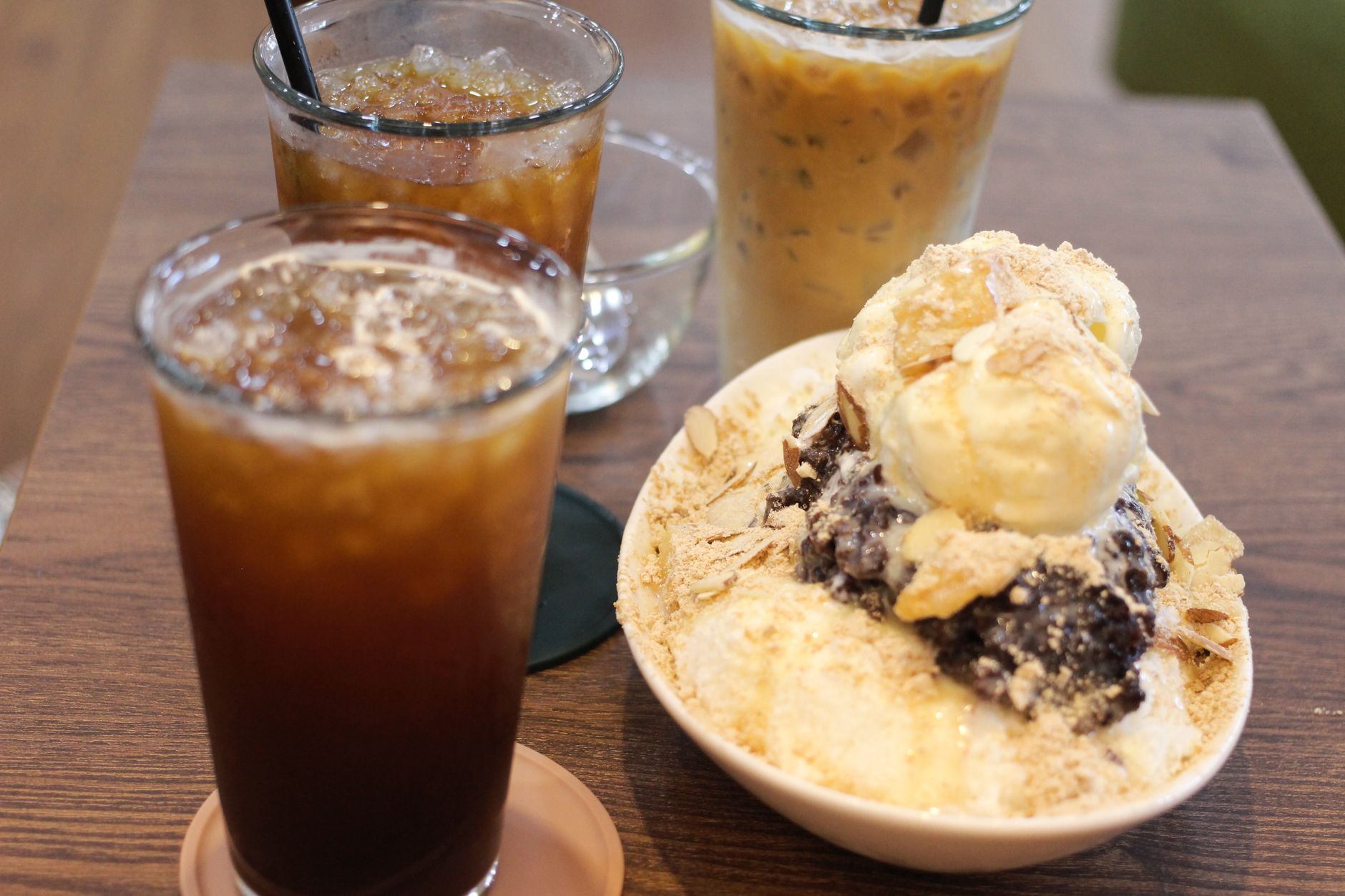
No Korean summer is complete without indulging in Patbingsu, a towering dessert of shaved milk ice topped with sweet red beans, chewy tteok (rice cakes), and fresh fruits like mangoes or strawberries. For strict vegetarians and Jain travelers, visiting a traditional Buddhist Temple Food restaurant—such as the Michelin-starred Balwoo Gongyang in Seoul’s Insadong neighborhood—is highly recommended. These restaurants serve pure, plant-based meals prepared without meat, seafood, or the five pungent herbs (onions, garlic, leeks, chives, and green onions), aligning beautifully with traditional Indian dietary requirements.

Beating the Crowds and Heat: Insider Tips for Indian Travelers
Late July and early August mark the peak domestic vacation season in South Korea, as schools and offices close for summer break. This means popular beach destinations like Haeundae Beach in Busan and the scenic trails of Jeju Island can become crowded, and accommodation prices may rise. To enjoy a stress-free trip, we recommend planning your outdoor sightseeing—such as visiting Gyeongbokgung Palace or hiking in Bukhansan—during the early morning or late afternoon when temperatures are cooler.
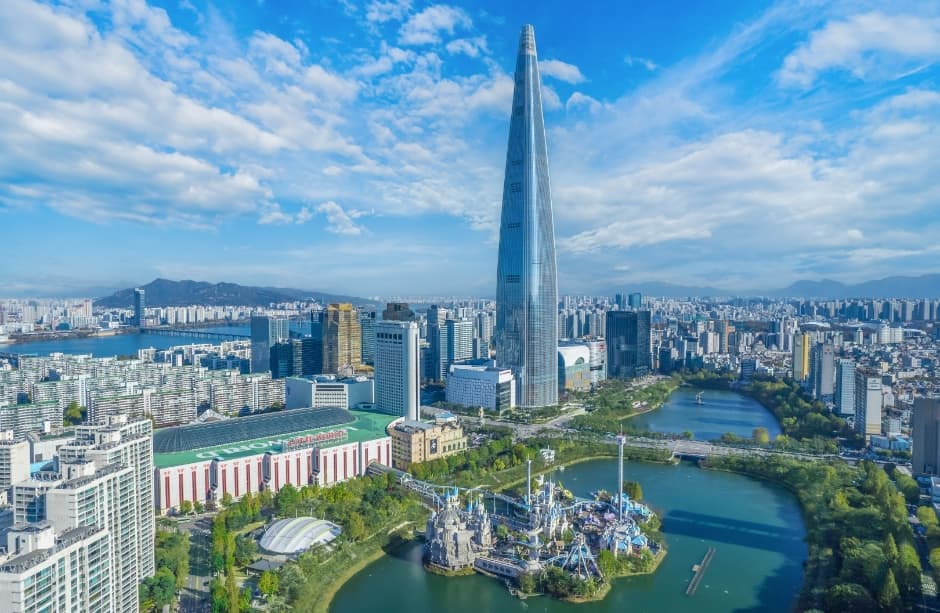
During the peak afternoon heat (from 12 PM to 3 PM), head indoors to experience South Korea’s world-class modern infrastructure. Spend these hours exploring the massive, air-conditioned Starfield COEX Mall (home to the iconic Starfield Library), the indoor theme park Lotte World, or the breathtaking galleries of the National Museum of Korea. Lastly, remember to practice local etiquette: carry a small bag for your personal trash, as public bins are rare, and always wear easy-to-slip-off shoes, as you will need to remove them before stepping into traditional restaurants, temple halls, and hanok guesthouses.

Discover the Magic of Korea This Summer with KoreaEdu Tours
Summer in South Korea is a vibrant tapestry of blooming nature, thrilling festivals, and refreshing culinary discoveries that make it an exceptional destination for Indian student groups, educators, and families. Navigating a new country during the warmer months is effortless when you have local experts handling the details. At KoreaEdu Tours, we specialize in crafting seamless, culturally respectful, and educational itineraries tailored specifically to the needs of Indian travelers.
Ready to plan an unforgettable summer holiday or educational school trip? Our curated itineraries take care of all logistics, from booking certified vegetarian and Jain meals to securing fast-track entry to top attractions and comfortable, air-conditioned transportation. Explore our Seoul, Gyeongju, and Jeju summer tour packages today and let your Korean summer adventure begin!

Planning a Korea School Trip?
This story is connected to one of our tour packages. Explore the full itinerary and pricing.
Share this article