Korean Dishes Indian Travelers Should Try First
지글지글, 매콤함, 그리고 달콤한 설빙: 인도 여행자를 위한 한식 완벽 가이드

Photo by FOX ^.ᆽ.^= ∫ on Pexels
Samgyeopsal (삼겹살): The Sizzling Heart of Korean BBQ
Step into any local neighborhood in Seoul on a warm summer evening, and your senses are instantly greeted by the irresistible aroma of caramelizing meat and the rhythmic hiss of tabletop grills. This is the world of Samgyeopsal (grilled pork belly), South Korea's ultimate social dining experience. Friends and families gather around circular metal tables, flipping thick strips of pork, grilling whole cloves of garlic, and enjoying an array of colorful side dishes (banchan) that crowd the table.
For Indian travelers, Samgyeopsal is a culinary theater. The traditional way to eat it is to make a ssam (wrap): take a fresh lettuce or perilla leaf, place a piece of grilled meat inside, add a dollop of ssamjang (a savory, thick paste made of fermented soybeans and chili), and pop the entire parcel into your mouth in one bite. The contrast of the hot, rich meat with the cold, crisp leaf is spectacular.
Indian Traveler Tip: Since Samgyeopsal is strictly pork, it is not suitable for vegetarians, Halal-conscious, or those who avoid pork. However, non-vegetarian Indian diners who eat pork will find the experience unforgettable. If you are traveling in a mixed group with vegetarians, many BBQ restaurants will happily let you grill thick slices of king oyster mushrooms, onions, and sweet potatoes on a clean grill plate, accompanied by delicious vegetarian side dishes like seasoned scallion salad and seaweed.

Dolsot Bibimbap (돌솥비빔밥): The Harmonious Rainbow Bowl
Listen closely as your waiter places a heavy, black stone bowl on your table; the rice at the bottom is crackling and popping, slowly turning into a golden, crispy crust. Dolsot Bibimbap is a visual and sensory masterpiece. A bed of warm white rice is artfully topped with a colorful wheel of julienned vegetables—sautéed spinach, seasoned bean sprouts, earthy shiitake mushrooms, bright carrots, and bracken fern—all centered around a dollop of spicy gochujang (red chili paste).
To enjoy this dish, you must mix everything thoroughly while the bowl is still piping hot. The heat from the stone bowl cooks the ingredients further and infuses the entire bowl with a rich, nutty sesame oil aroma. Each spoonful offers a perfect balance of smoky, spicy, sweet, and savory notes, with the occasional crunch of the toasted rice from the bottom of the bowl.
Indian Traveler Tip: This is the absolute holy grail for Indian vegetarians and Jain travelers in South Korea! Simply ask the restaurant to prepare it "gogi-eopsi" (without meat) and "gyeran-eopsi" (without egg). The spice profile of gochujang is incredibly satisfying for Indian palates accustomed to rich, spiced dishes, making Bibimbap an instant comfort meal that is widely available across the country.

Tteokbokki (떡볶이): Korea's Favorite Street-Side Comfort
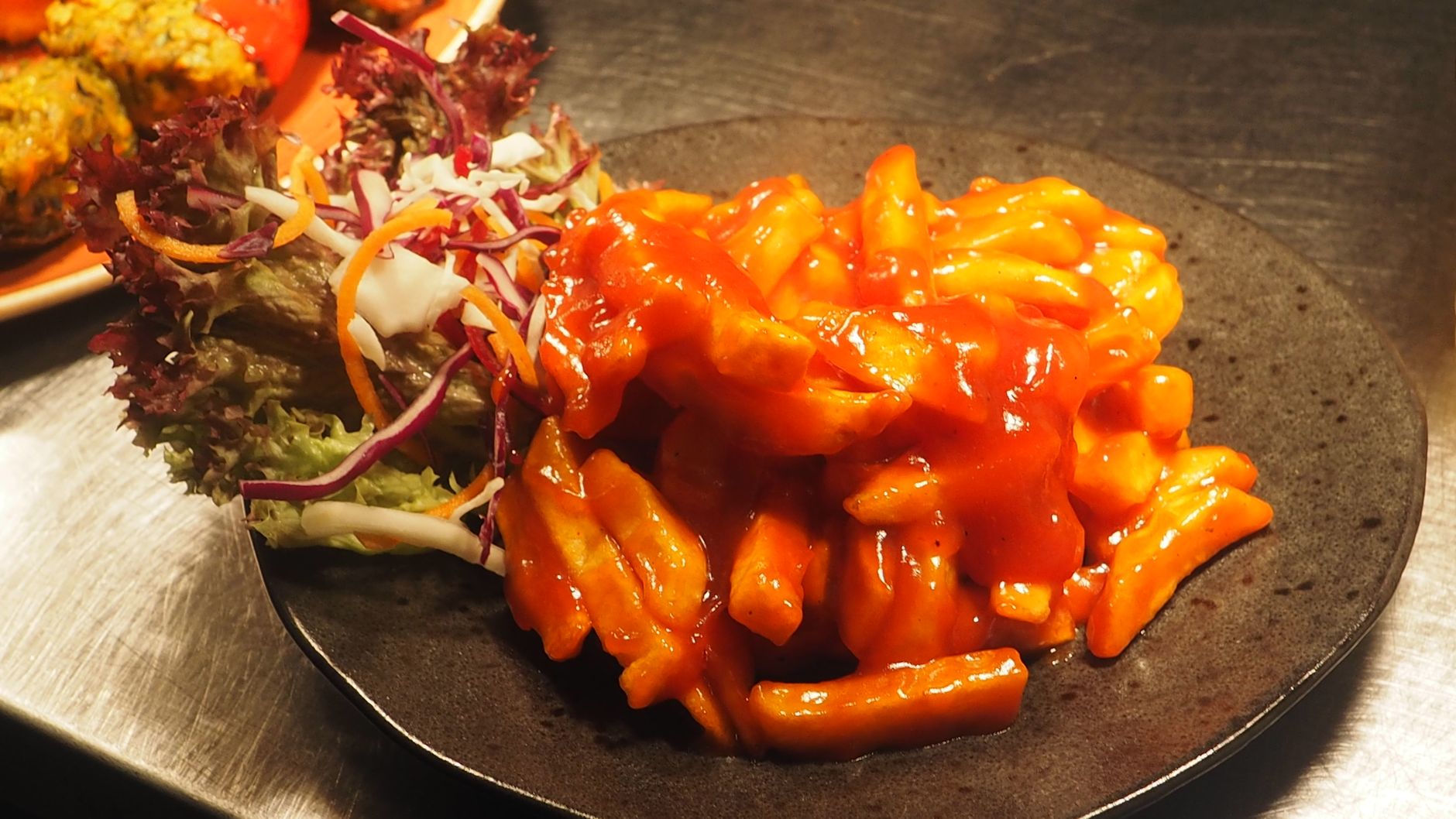
Stroll past the bright orange tarpaulin tents of a traditional street market, and you will see wide, bubbling pans filled with cylindrical rice cakes swimming in a thick, glossy, crimson sauce. This is Tteokbokki, the quintessential Korean street food. The steam rising from the pan carries a sweet, fiery scent that coaxes passersby to stop, pull up a plastic stool, and enjoy a quick, comforting bite.
The texture of the rice cakes is incredibly chewy and satisfying, absorbing the sweet and spicy flavors of the gochujang-based sauce. It is a dish that evokes deep nostalgia for Koreans and offers an exciting, spicy adventure for international visitors looking to eat like a local.
Indian Traveler Tip: Indian travelers naturally love the fiery kick of Tteokbokki. However, traditional street-stall Tteokbokki is almost always simmered in an anchovy-based broth and contains sliced fish cakes (eomuk). If you are a strict vegetarian, look for modern, specialized vegan cafes in neighborhoods like Hongdae or Insadong in Seoul, where they prepare delicious plant-based Tteokbokki using kelp broth and vegetable substitutes.
Japchae (잡채): Glistening, Savory Glass Noodles
Imagine a colorful plate of translucent, bouncy noodles glistening under the warm lights of a traditional Korean diner. Japchae is a beloved festive dish made from sweet potato starch noodles (glass noodles), stir-fried with thin strips of colorful vegetables like carrots, spinach, onions, and mushrooms. The entire dish is gently tossed in a delicate seasoning of naturally brewed soy sauce, toasted sesame oil, and a touch of sugar, then garnished with toasted sesame seeds.
Each bite of Japchae is a celebration of textures—the springy, chewy noodles contrast beautifully with the crispness of the lightly sautéed vegetables. Its flavor profile is mild, savory, and aromatic, making it an excellent palate cleanser between spicier Korean dishes.
Indian Traveler Tip: Japchae is highly palatable and incredibly popular among Indian tourists of all ages. While some traditional recipes include small strips of beef, most restaurants can easily prepare a vegetable-only version (Yachae Japchae) upon request. Because it is soy-and-sesame based rather than fish-based, it is one of the safest and most delicious options for vegetarians traveling in Korea.

Patbingsu (팥빙수): The Ultimate Summer Savior
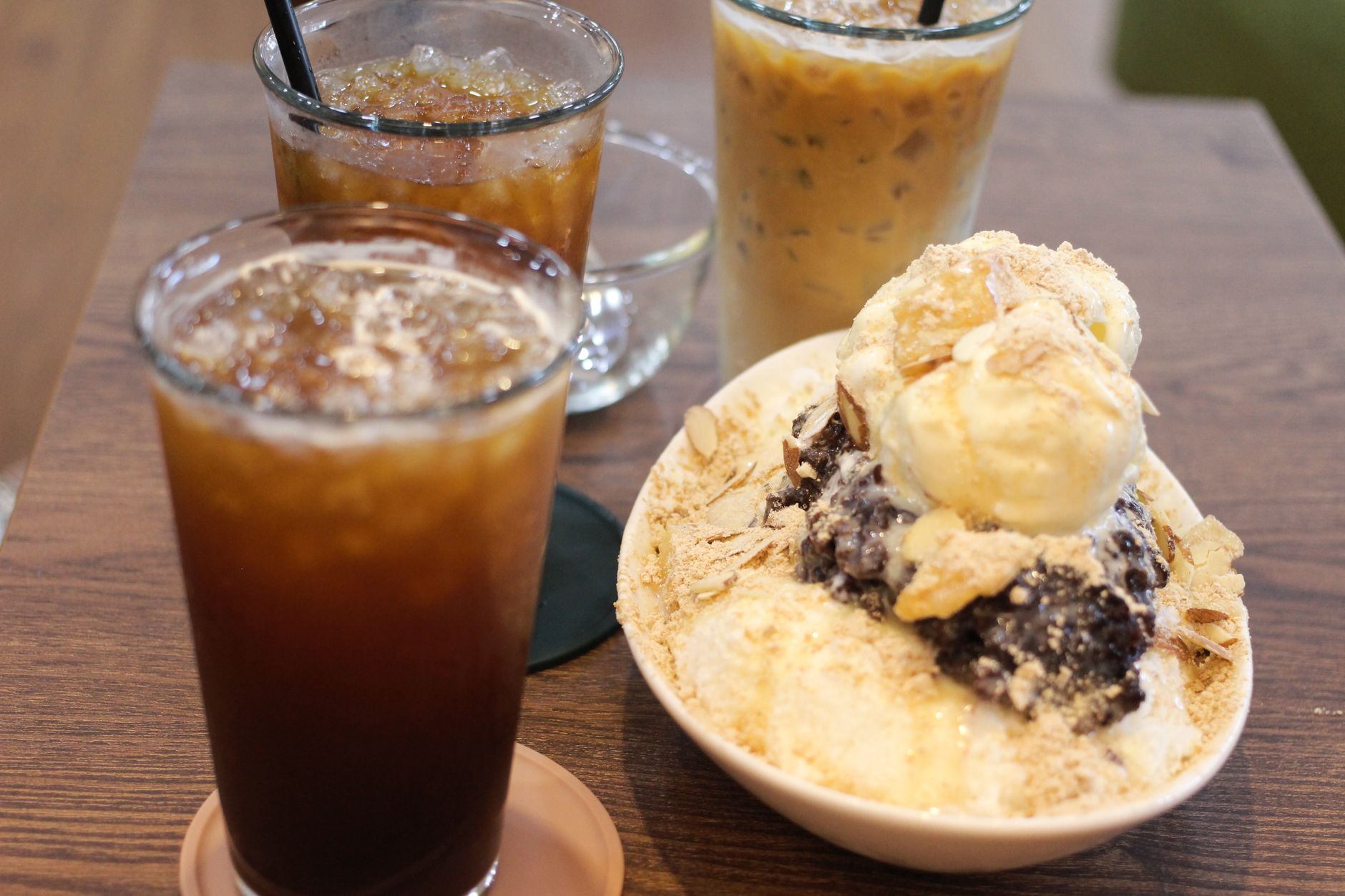
When the Korean summer heat peaks, locals head indoors to seek refuge in the cool embrace of a dessert cafe, ordering a towering mountain of shaved ice known as Bingsu. Unlike western shaved ice, premium Korean Bingsu uses frozen milk or cream, shaved so finely that it resembles fluffy, powdery winter snow that melts instantly on your tongue. The classic version, Patbingsu, is topped with sweet, slow-cooked red beans, chewy little rice cakes (tteok), and a generous drizzle of condensed milk.
Modern variations are incredibly creative, featuring mountains of fresh local mangoes, strawberries, matcha powder, or even cheesecake bites. Eating Bingsu is a communal affair; grab a spoon, dig into the snowy mountain with your travel companions, and feel the summer heat melt away.
Indian Traveler Tip: Bingsu is 100% vegetarian-friendly and an absolute dream for Indian dessert lovers! The creamy texture combined with sweet toppings like fresh fruits or sweet red beans is highly reminiscent of Indian milk-based desserts. It is the perfect afternoon treat to recharge during a busy day of sightseeing.
Yachaejeon (야채전): Crispy, Golden Vegetable Pancakes
Listen to the rain pattering on the windowpane of a cozy, rustic tavern while a chef ladles a colorful batter onto a sizzling, oiled griddle. In Korea, rainy summer days are synonymous with Jeon (savory pancakes). Yachaejeon, or vegetable pancake, is made by mixing shredded zucchini, sweet potatoes, scallions, and green chilies into a light flour batter, then frying it until the edges are beautifully golden and crispy while the center remains tender and savory.
Served hot off the griddle with a tangy dipping sauce made of soy sauce, vinegar, and a pinch of chili flakes, Yachaejeon is the ultimate comfort food. The combination of sweet vegetables and savory, crispy batter is simple yet incredibly satisfying.
Indian Traveler Tip: This dish feels remarkably familiar to Indian travelers, sharing a culinary soul with Indian favorites like chilla or puda. It is naturally vegetarian (egg is rarely used in the basic batter, but you can always double-check with the staff). It is an excellent, safe, and deeply delicious choice for Indian families looking for a comforting meal that feels like home while celebrating local Korean traditions.
Ready to embark on a culinary journey through South Korea? Explore our Seoul, Gyeongju, and Jeju tour package to experience these delicious flavors first-hand with our expert, culturally-attuned guides!

Planning a Korea School Trip?
This story is connected to one of our tour packages. Explore the full itinerary and pricing.
Share this article