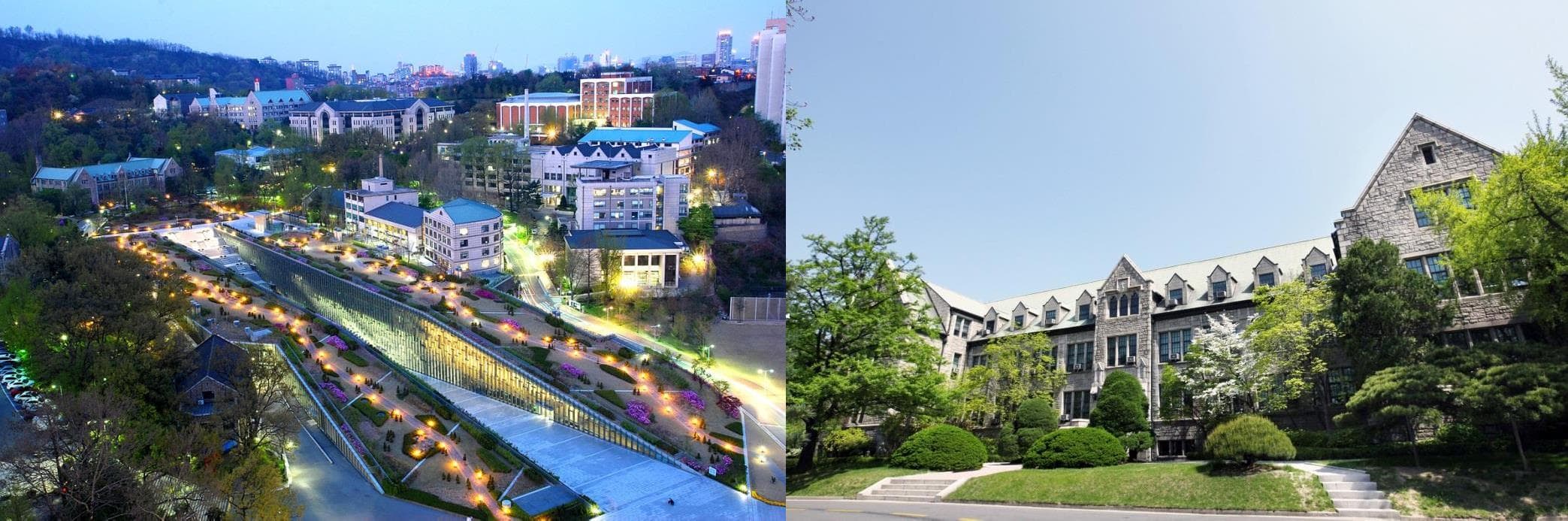
Educational Tours in South Korea: Guide for Indian Students
한국 교육 여행을 떠나는 인도 학생들을 위한 실용 가이드
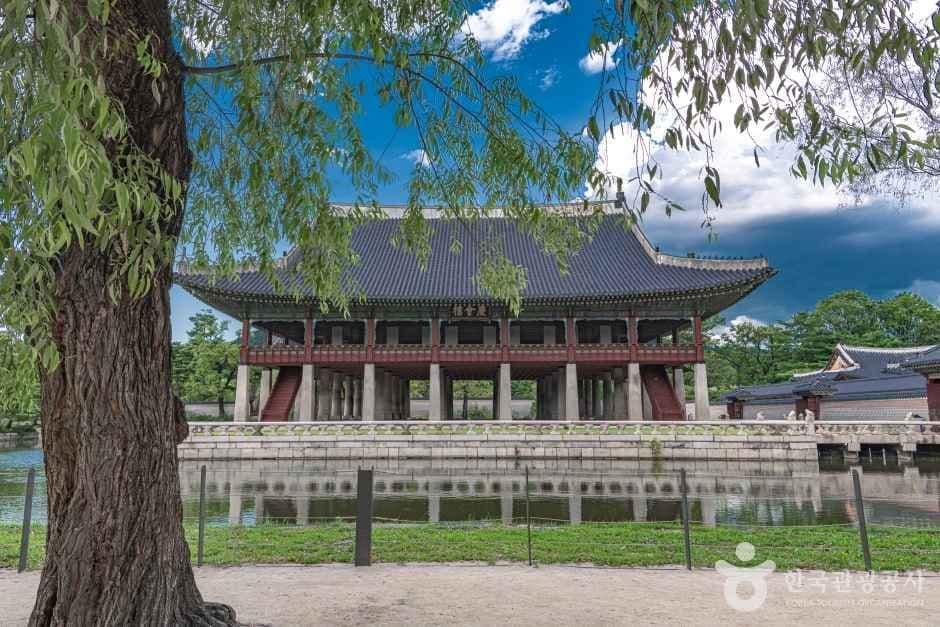
사진 제공: 한국관광공사
Welcome to the Land of Morning Calm: Your Arrival in Seoul
You step out of Incheon International Airport, and the first thing that hits you is the refreshing, crisp air-conditioned breeze, humming with the gentle, rhythmic chimes of the AREX airport express train. Bright digital screens display real-time transit schedules, and travelers glide effortlessly across pristine, polished floors. For an Indian student arriving in South Korea, this moment marks the beginning of an extraordinary academic and cultural adventure.
While the transition from India's bustling cities to South Korea's hyper-efficient, high-tech landscape can feel like stepping into the future, the initial culture shock quickly gives way to excitement. With a little preparation, you will find that navigating this beautiful country is incredibly intuitive, remarkably safe, and endlessly rewarding. Let’s look at the essential tools and tips you need to make your educational tour seamless and unforgettable.

The Green Plate: Finding Vegetarian and Indian Food in Korea
A sizzling stone bowl of dolsot bibimbap arrives at your table, the colorful arrangement of spinach, sprouts, mushrooms, and carrots glistening under a drizzle of aromatic sesame oil. One of the biggest concerns for Indian students—and their parents—is food. While South Korea is famous for its barbecue, the country's Buddhist heritage means vegetarianism is deeply rooted in its culture, and finding delicious, meat-free options is entirely possible if you know where to look.
When dining at local Korean restaurants, always specify your dietary preferences. A golden phrase to memorize or keep on your phone is "Gogi eopsi hae juseyo" (Please make it without meat). Classic vegetarian-friendly Korean dishes include gimbap (rice rolls—request them without ham or crab sticks), yachae jeon (savory vegetable pancakes), and temple food (sachal eumsik), which is entirely vegan and incredibly delicious. For a taste of home, areas like Itaewon, Hongdae, and Gangnam in Seoul boast excellent, certified Indian restaurants serving authentic dal, naan, and paneer. Downloading apps like HappyCow will also help you locate vegan and vegetarian eateries nearby instantly.

Smart Connectivity: Transit Cards and Must-Have Apps
A cheerful "beep" sounds as you tap your colorful T-money Card at the subway turnstile, stepping onto a spotless train where high-speed Wi-Fi is completely free. Korea runs on technology, and getting connected the moment you land is essential. Before leaving the airport, purchase a local 4G/5G eSIM or physical SIM card with unlimited data, or rent a portable Wi-Fi egg if you are traveling in a study group. This ensures you can navigate, translate, and keep in touch with your family without interruption.
To navigate Korea like a local, you must download a few essential, free mobile apps. Since Google Maps does not provide accurate walking or transit directions in Korea due to security regulations, download Naver Map or KakaoMap for incredibly precise, real-time subway and bus routes. For communication, KakaoTalk is the nationwide standard, while Papago by Naver is the absolute best translation app, capable of translating text from photos of menus, street signs, and textbooks instantly.

Safety, Etiquette, and Classroom Culture
You walk into a cozy cafe in Hongdae and notice students leaving their laptops, wallets, and smartphones unattended on wooden tables while they order drinks downstairs. This level of safety is standard in South Korea, consistently ranked as one of the safest countries in the world. For Indian parents, this peace of mind is invaluable. However, keeping basic safety precautions and cultural etiquette in mind ensures a respectful and positive experience.
Korean society is built on mutual respect and hierarchy. When greeting teachers, guides, or elders, a polite nod or a slight bow of about 15 to 30 degrees is customary. Always use two hands when giving or receiving objects, whether it is a business card, a menu, or money. Additionally, South Korea takes waste disposal and recycling very seriously; you will find separate bins for plastics, paper, cans, and food waste everywhere. Keeping your surroundings clean and adhering to these quiet rules will earn you immense respect from your Korean hosts.

Budgeting Hacks: Convenience Stores and Student Discounts
Steam rises from a hot bowl of instant ramyeon, customized with a slice of cheese and a triangular samgak gimbap, all purchased for less than 5,000 Korean Won at a bright, 24-hour convenience store. Outlets like GS25, CU, and 7-Eleven are not just stores in Korea; they are cultural hubs equipped with hot water dispensers, microwaves, and dining counters where students can enjoy quick, affordable, and sanitary meals on a budget.
For everyday shopping, Daiso is a student's paradise, offering stationery, travel adaptors, toiletries, and household goods for incredibly low prices. Keep your student ID handy, as many major palaces, museums, and national parks offer generous discounts for students. By managing your daily expenses wisely, you will have plenty of budget left to experience the rich history, futuristic theme parks, and stunning landscapes that Korea has to offer. Ready to embark on a transformative educational journey? Explore our student-focused Seoul, Gyeongju, and Jeju educational tour packages to start planning your school or college group's dream trip with KoreaEdu Tours today!

Planning a Korea School Trip?
This story is connected to one of our tour packages. Explore the full itinerary and pricing.
Share this article