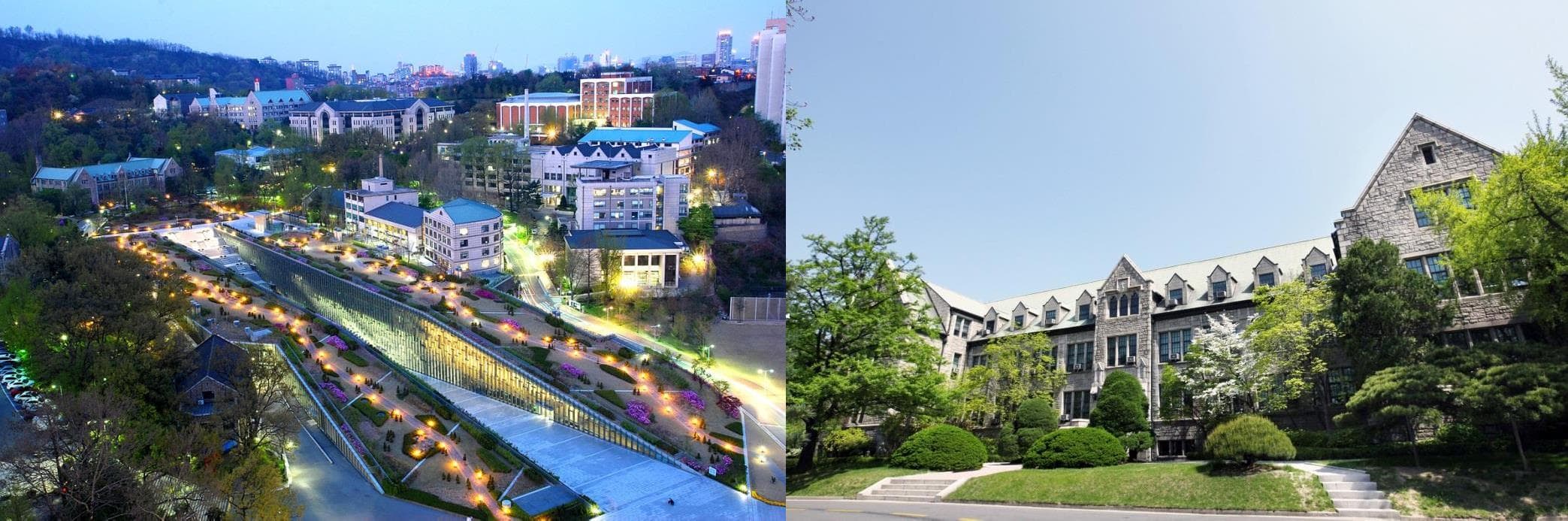
Jeonju Hanok Village Guide for Indian Travelers
인도 여행자를 위한 전주한옥마을 가이드
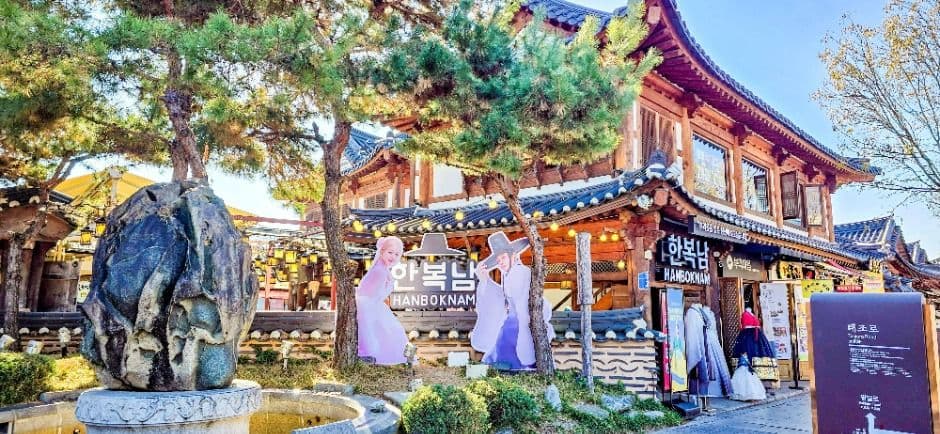
사진 제공: 한국관광공사
Jeonju Hanok Village
The soft rustle of colorful silk hanbok dresses sweeping across smooth stone pathways, the sweet, earthy aroma of roasting ginkgo nuts in the autumn breeze, and the elegant, upward-curving tiled roofs (giwa) silhouetted against the brilliant blue sky—this is your introduction to Jeonju Hanok Village. Nestled in the heart of Jeonju city, this designated conservation area preserves over 800 traditional Korean houses. Walking through its labyrinth of alleyways feels like stepping back into the Joseon Dynasty, where the rush of modern life instantly fades into a peaceful, historic rhythm.
For Indian travelers, this cultural sanctuary offers an incredibly warm and familiar sense of hospitality. Many traditional guesthouses (hanok stay) require you to remove your shoes at the entrance, a respectful custom that will feel just like home. If you are worried about dining, Jeonju is the culinary capital of South Korea and the birthplace of bibimbap. You can easily order a delicious, customized vegetarian version (chaesik bibimbap) by requesting it without meat or eggs. The colorful arrangement of seasoned mountain vegetables, sesame oil, and perfectly cooked rice served in a hot stone bowl is both healthy and deeply satisfying for the Indian palate.

Gyeonggijeon Shrine
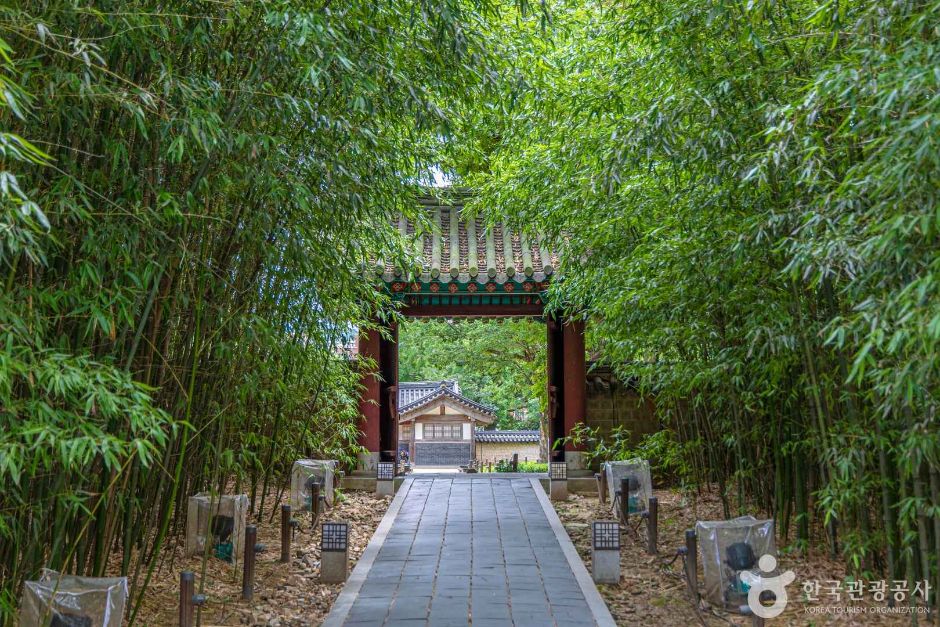
Towering bamboo groves whisper softly in the wind, their deep green stalks filtering the warm autumn sunlight onto weathered wooden courtyard steps. The air here smells of ancient pine and polished timber, carrying a quiet reverence that commands immediate respect. Located right at the edge of the Hanok Village, Gyeonggijeon Shrine is a historical sanctuary founded in 1410 to house the official portrait of King Taejo, the revered founder of the Joseon Dynasty. The expansive grounds feature beautiful, minimalist Korean architecture, serene gardens, and historic archives that survived centuries of turbulent history.
As you explore the tranquil courtyards, you will notice a deep respect for heritage that mirrors India’s own reverence for sacred historical monuments. When visiting Gyeonggijeon, a key piece of Korean cultural etiquette is to avoid stepping directly on the central raised stone pathways (known as Sindo or the Spirit Road), which are reserved symbolically for ancestral spirits. Instead, walk along the side paths. For Indian student groups and history enthusiasts, this serene shrine offers an incredible backdrop for taking photographs in rented hanbok, with the dramatic black-tiled roofs and red wooden pillars creating a stunning contrast against the lush green bamboo.
Jeondong Cathedral
High red-brick arches catch the golden glow of the late afternoon sun, while the majestic tolling of a heavy bronze bell echoes across the traditional tiled roofs of the surrounding village. Standing at the southern entrance of the Hanok Village, Jeondong Cathedral presents a breathtaking architectural contrast. Completed in 1914 by French missionaries, this historic church is built in a magnificent blend of Romanesque and Byzantine styles, featuring elegant domed towers and intricate stained-glass windows that light up the interior with vibrant, colorful patterns.
For Indian visitors, the sight of Jeondong Cathedral often evokes a pleasant sense of familiarity, reminiscent of the grand colonial-era cathedrals found in Goa, Mumbai, or Shimla. The cathedral grounds are exceptionally safe, clean, and peaceful, making it a wonderful stop for families and student tours. While tourists are welcome to photograph the majestic exterior, remember to maintain absolute silence and dress modestly if you step inside, as it remains an active place of worship. The seamless coexistence of this Western-style cathedral alongside hundreds of traditional Korean hanok homes perfectly captures South Korea’s unique historical layers.

Jaman Mural Village
A short, steep climb up a winding hillside trail reveals a sudden burst of dazzling colors—vivid murals of playful animated characters, whimsical floral patterns, and expressive portraits painted onto the walls of cozy, closely knit homes. Jaman Mural Village, located just across a pedestrian footbridge from the Hanok Village, is a hillside neighborhood that was once a quiet residential area and has now been transformed into a vibrant, open-air art gallery. The sounds of laughter, soft acoustic music from hilltop cafes, and the panoramic views of Jeonju's slate-gray roofs below make this an energetic and inspiring stop.
This artistic enclave is highly reminiscent of India’s contemporary street art hubs, such as Delhi’s Lodhi Art District or Mumbai's Bandra walls. For young Indian travelers and students, the steep walking paths offer a fun, light workout, so wearing comfortable sneakers is highly recommended. Along the colorful pathways, you will find quirky, independent cafes offering panoramic views of the city. These cafes are excellent spots to rest and enjoy a refreshing cup of traditional Korean plum tea or sweet iced beverages while organizing your photos for social media. It is a fantastic destination that showcases South Korea's youthful, creative spirit.
Nambu Traditional Market
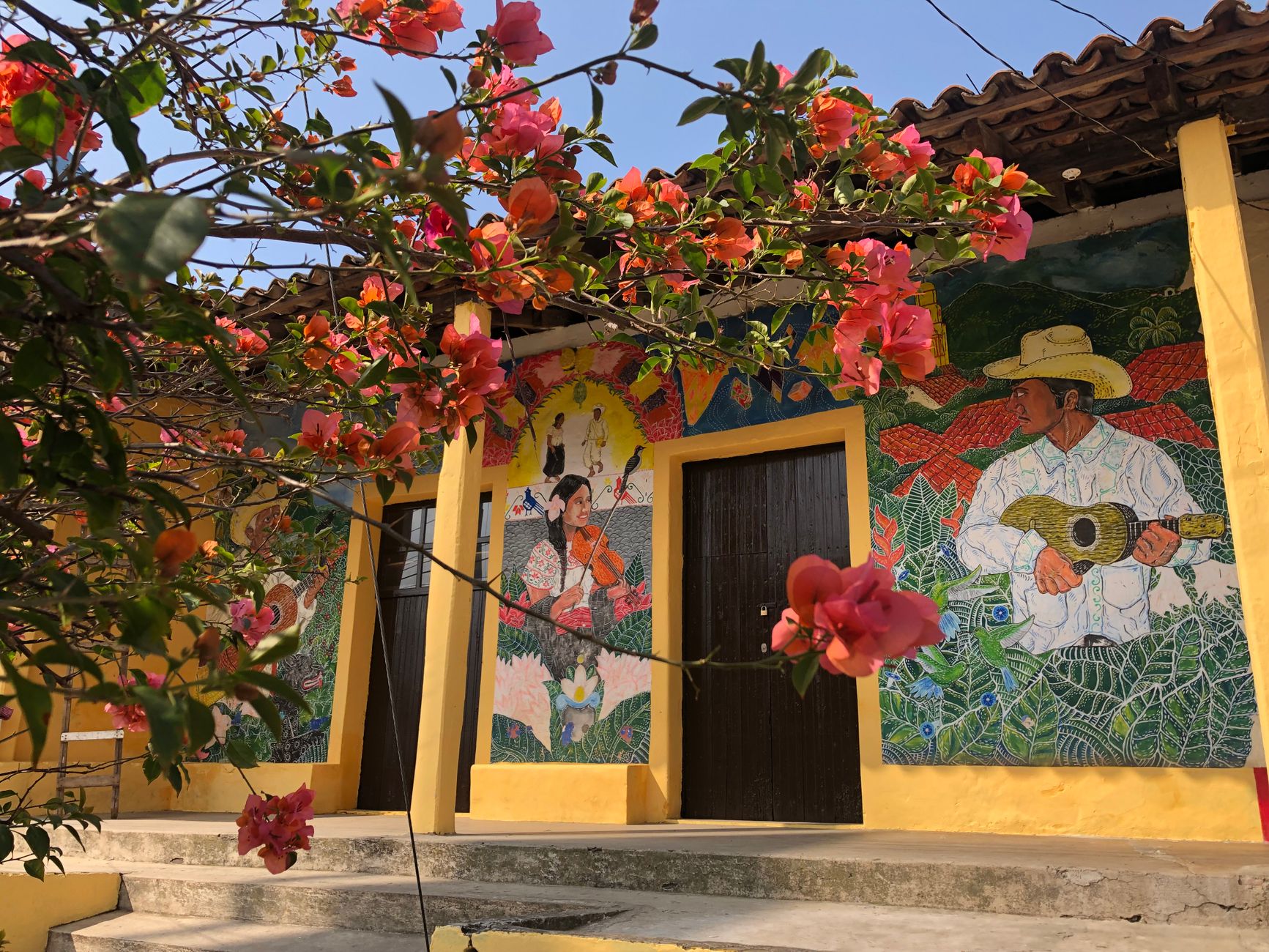
The sizzle of hot griddles, the rich and savory aroma of simmering broths, and the cheerful, rhythmic banter of local merchants calling out to passersby fill the bustling corridors of Nambu Traditional Market. Established during the Joseon Dynasty, this historic market is a treasure trove of local culture. While the ground floor remains a traditional market selling fresh produce, clothes, and local delicacies, the second floor features the trendy Youth Mall (Cheongnyeon Mall)—a vibrant space where young Korean artisans, designers, and chefs have opened charming boutiques, board game cafes, and unique food stalls under twinkling fairy lights.
For Indian travelers, Nambu Market offers the exciting energy of a traditional Indian bazaar but with Korea's signature cleanliness, safety, and organization. When exploring the food stalls, look out for vegetarian-friendly treats such as hotteok (sweet pan-fried pancakes filled with brown sugar, cinnamon, and seeds) or freshly made vegetable skewers. South Korea is incredibly safe, and even late at night, the market's weekend night market is a secure, welcoming environment for solo travelers and families alike. Navigating the market is a breeze with excellent local connectivity; we recommend renting a portable T-money card and a pocket Wi-Fi device at the airport to easily translate menus and share your culinary adventures in real-time.
Are you ready to experience the timeless charm of Jeonju, the dynamic energy of Seoul, and the coastal beauty of Busan? Let KoreaEdu Tours take care of all your travel logistics, from securing your South Korean visa and arranging vegetarian-friendly meals to providing expert local guides. Explore our 5N6D Seoul-Busan tour package today and embark on an unforgettable, culturally immersive journey designed especially for Indian travelers!
Planning a Korea School Trip?
This story is connected to one of our tour packages. Explore the full itinerary and pricing.
Share this article