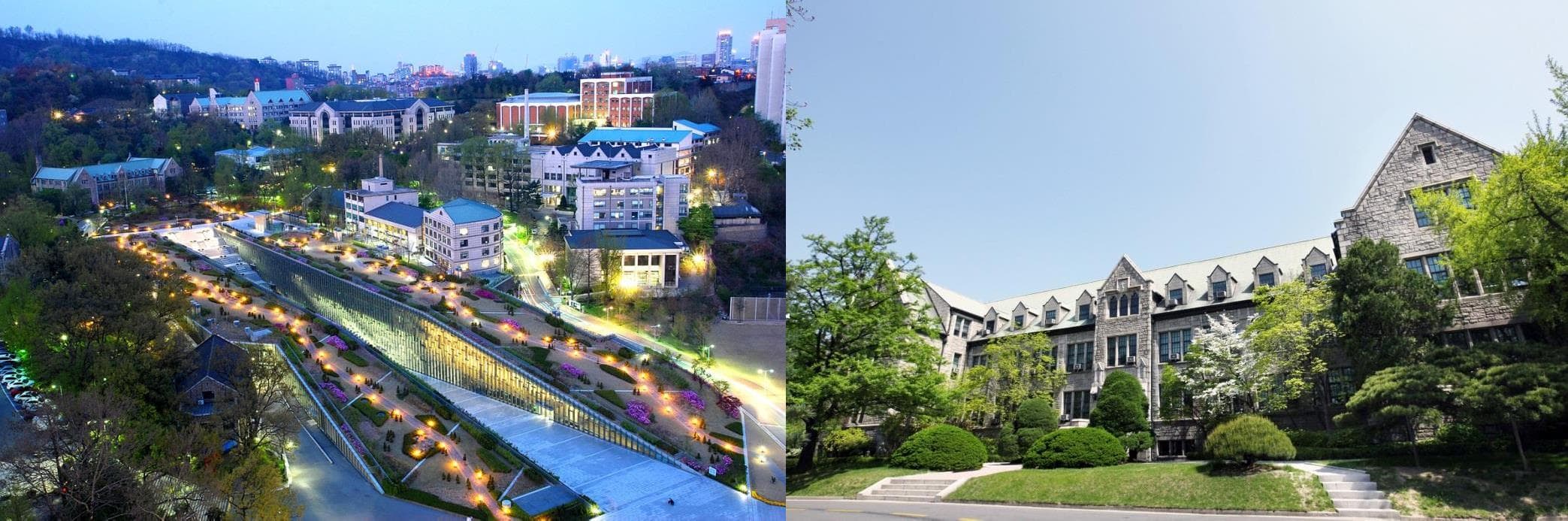
Korea Survival Guide for Indian Students: Daily Life
카레에서 김치까지: 인도 학생들을 위한 한국 생활 완벽 가이드

Photo by J MAD on Pexels
Stepping into the Land of the Morning Calm: Your First 24 Hours
The sharp chime of the airport train, the cool burst of air-conditioned breeze, and the dazzling, high-tech terminal of Incheon International Airport welcome you to South Korea. For an Indian student, stepping out of the airport can feel like entering a futuristic movie. The silence is striking; unlike the bustling, horn-honking streets of Delhi or Mumbai, Korean cities move with a quiet, synchronized efficiency. Do not let the ultra-modern facade intimidate you. Koreans are incredibly polite and helpful, especially to students.
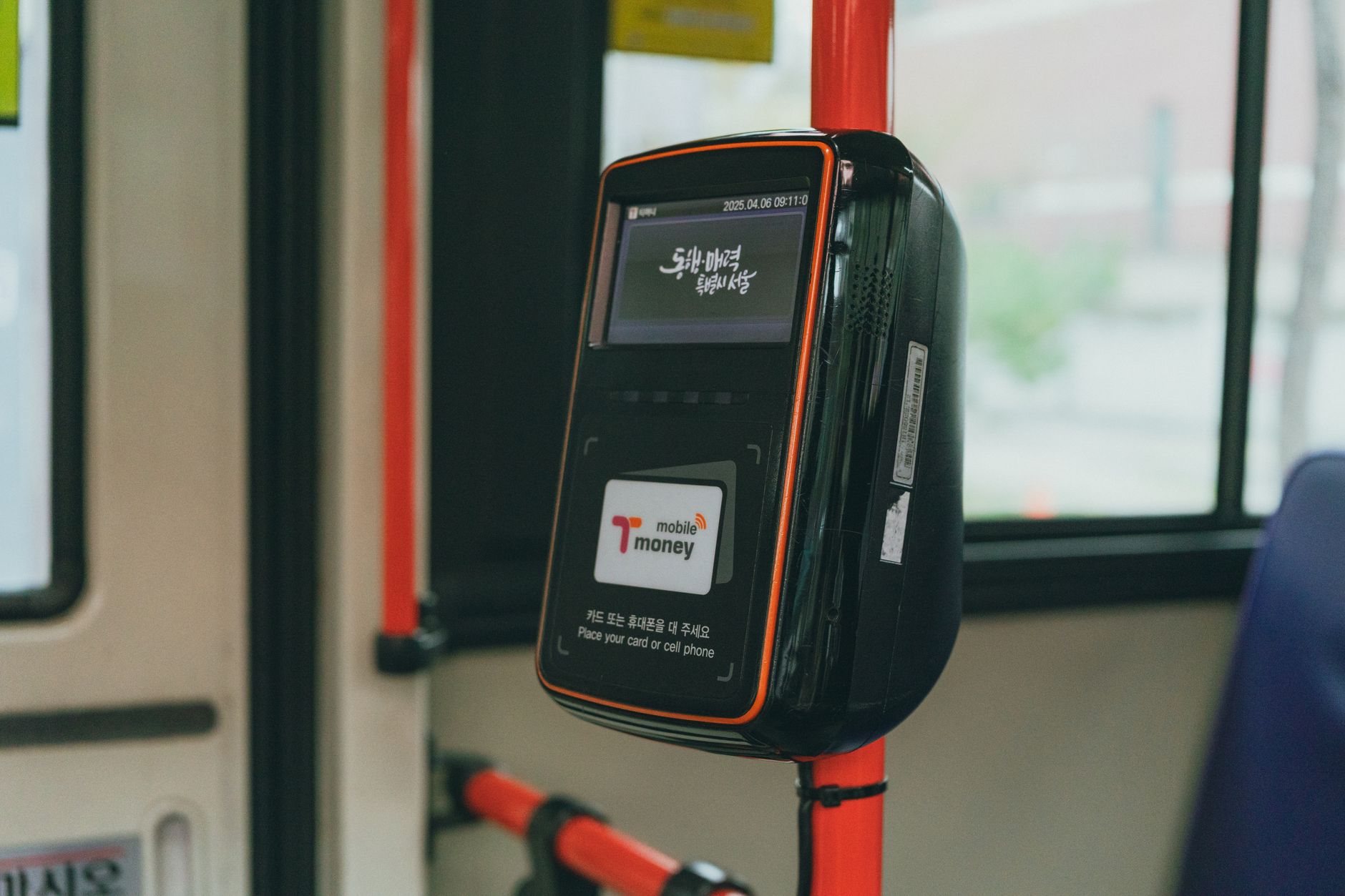
Your first immediate task after landing is securing connectivity and transit access. Head straight to a convenience store like CU, GS25, or 7-Eleven right inside the airport terminal to buy a T-money Card (the universal transport card for subways, buses, and taxis) and pick up your pre-ordered student eSIM or physical SIM card. Brands like Chingu Mobile or Woori Mobile offer highly discounted data plans tailored specifically for international students. Download NAVER Map or KakaoMap immediately, as Google Maps does not provide accurate walking or transit directions in South Korea due to national security data laws.
The Green Plate: Navigating Vegetarian and Indian Food in Korea
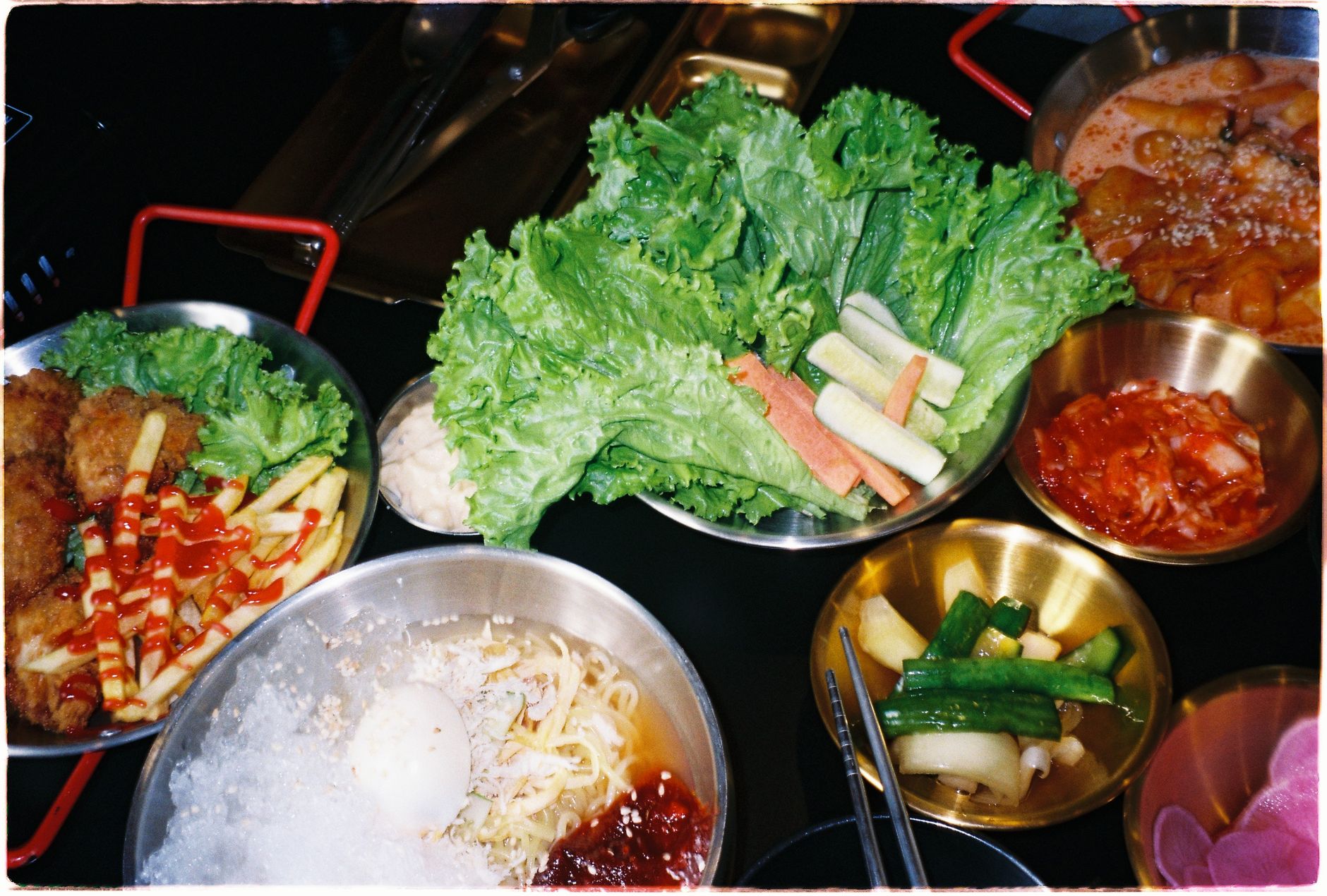
A sizzling, stone bowl of rice topped with vibrant julienned carrots, golden bean sprouts, mountain roots, and fresh sesame leaves sits before you, releasing an earthy, toasted sesame aroma. This is Bibimbap, your ultimate culinary ally in South Korea. While Korean cuisine is heavily meat- and seafood-based, finding vegetarian, vegan, and even Jain-friendly food is entirely possible if you know where to look and what to ask. When ordering, always specify your dietary needs clearly by saying "Gogi bae-juseyo" (Please remove the meat) or "Chaesikjuuija-eyo" (I am a vegetarian).
For a deeply comforting, strictly vegetarian experience, seek out Sachal Eumsik (Korean Temple Food) restaurants, which serve exquisite, all-natural dishes prepared without meat, garlic, or onions—making them highly compatible with Jain dietary restrictions. When you crave the comforting spices of home, neighborhood hubs like Itaewon in Seoul, or areas surrounding major universities like Yonsei and SNU, boast exceptional Indian restaurants serving authentic dal makhani, paneer tikka, and warm garlic naan. Additionally, carrying a few ready-to-eat retort pouches of Indian food in your luggage will be a lifesaver during late-night study sessions.
Smart Budgets: Managing Your Won Efficiently
The crisp, green 10,000 Korean Won note feels light in your hand, but as a student, every Won counts. South Korea is rapidly becoming a cashless society, meaning you can pay for even a 1,000 Won bottle of water with a card. To manage your budget without incurring heavy international transaction fees, look into getting a WOWPASS or a NAMANE Card. These are custom prepaid cards designed for travelers and international students that you can easily top up with Indian Rupees via mobile apps or with physical cash at kiosks located in major subway stations.
To stretch your monthly allowance, make convenience stores your best friend for quick, affordable meals. Look out for "1+1" (buy one, get one free) or "2+1" promotional tags on snacks, milk, and drinks. For fresh fruits and vegetables, which can be expensive in large supermarkets like E-Mart, visit traditional neighborhood markets (Sijang) where local grandmothers (Ajumma) offer generous portions and may even slide an extra apple into your bag if you greet them with a bright, respectful bow.
Cracking the Code: Language, Communication, and Safety
Imagine walking back to your dormitory at 2:00 AM through a brightly lit, pristine alleyway, feeling completely at ease. South Korea ranks among the safest countries in the world. It is common to see students leave their expensive laptops and iPads unattended on cafe tables while they use the restroom—a testament to the high level of civic honesty. However, the language barrier can initially feel isolating. While many young Koreans speak basic English, downloading the Naver Papago translation app will instantly bridge the gap. Papago features an incredibly accurate image-translation tool that lets you scan food menus, ingredient labels, and street signs in real-time.
Before you depart, dedicate a few hours to learning Hangeul (the Korean alphabet). It is highly phonetic and can be mastered in a single weekend. Being able to read signs like "Pharmacy" (약 - Yak) or "Exit" (출구 - Chulgu) will boost your confidence immensely. Remember to show respect by bowing slightly when greeting elders or store clerks, and always use two hands when giving or receiving money, business cards, or documents—a small but deeply appreciated gesture of politeness in Korean culture.

Living Like a Local: Dorm Etiquette and Waste Disposal
Open the window of your cozy dormitory room to let in the sweet, warm summer air, and you will notice a row of color-coded bins lined up neatly in the courtyard. South Korea takes recycling and waste management incredibly seriously through a system called Jongnyangje. Food waste, recyclable plastics, paper, glass, and general trash must be strictly separated and disposed of in specific, government-mandated bags purchased at local convenience stores. Throwing trash in the wrong bag or mixing food waste with general waste can result in hefty fines for your dormitory or apartment building.
Living in a shared space in Korea also means observing quiet hours and respecting communal boundaries. Koreans value harmony (Inhwa) and quiet environments, particularly in residential zones and on public transit. Keep your phone calls quiet when riding the subway, and always use headphones. Embracing these daily habits will help you transition from being a temporary visitor to a respected, well-integrated member of your local student community.
Ready to kickstart your academic and cultural journey in South Korea? We specialize in crafting seamless, enriching, and safe educational group tours that connect Indian students and schools directly with Korea's top universities, tech hubs, and historical landmarks. Explore our Seoul, Gyeongju, and Jeju educational tour packages to begin planning your life-changing student adventure today!

Planning a Korea School Trip?
This story is connected to one of our tour packages. Explore the full itinerary and pricing.
Share this article