Korea's Best Autumn Foliage Spots for Indians
인도 여행객을 위한 한국 최고의 단풍 명소
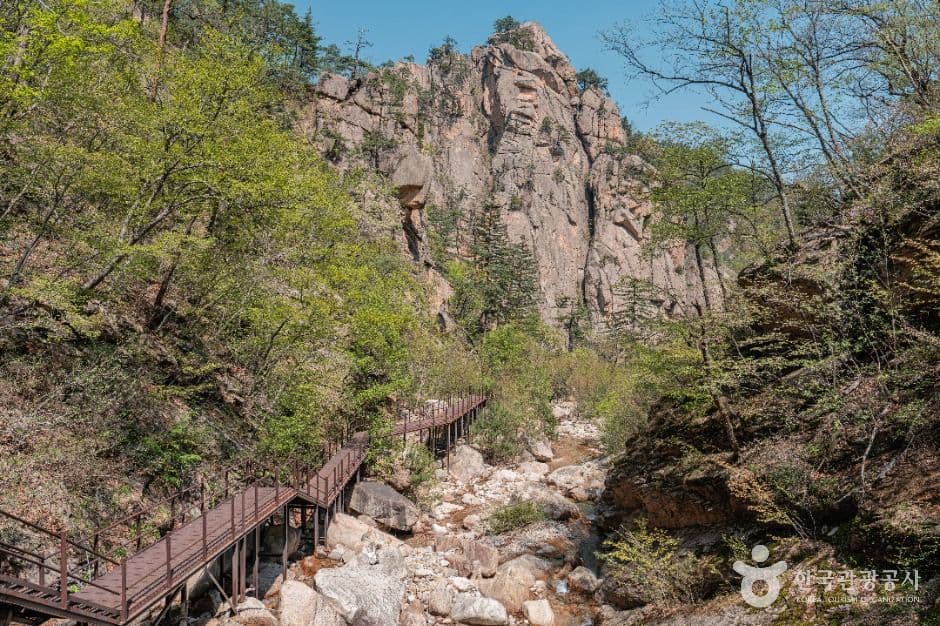
사진 제공: 한국관광공사
Seoraksan National Park (설악산국립공원)
Imagine stepping out into the crisp morning air of Sokcho, where the aroma of damp pine needles blends with the sweet scent of freshly roasted chestnuts from nearby stalls. In front of you, the jagged, majestic granite peaks of Seoraksan rise dramatically into the sky, beautifully draped in a breathtaking blanket of crimson, orange, and gold. The soothing, distant rush of cascading mountain waterfalls and the cheerful chatter of hikers create an enchanting autumn symphony that instantly makes you feel at peace.
Seoraksan is South Korea’s third-highest mountain and the first region in the country to welcome the changing autumn colors, usually starting in early October. The park features trails for all fitness levels, from the flat, easy paths along the valley floor to the challenging climb up to Daecheongbong Peak. Walking along the wooden boardwalks suspended over crystal-clear streams, you will be mesmerized by the reflection of fiery red maple leaves dancing on the water's surface.
For Indian Travelers: If you are traveling with elderly family members or young children, you don't have to miss out on the breathtaking views. The Seoraksan Cable Car takes you smoothly up to the Gwongeumseong Fortress ruins in just a few minutes, offering panoramic vistas of the foliage. When hunger strikes, head to the rustic restaurants near the park entrance. You can easily order vegetarian Bibimbap by asking the staff for 'gogi-eopsi' (without meat), or enjoy a hot, freshly made potato pancake (gamjajeon) which is naturally vegetarian and incredibly comforting in the cool mountain weather.

Naejangsan National Park (내장산국립공원)
You step onto a quiet, winding pathway where a dense canopy of delicate, baby-sized maple leaves glows like stained glass in brilliant shades of ruby, tangerine, and amber overhead. The gentle crunch of dry golden leaves beneath your boots is accompanied by the soft, spiritual chanting echoing from the historic Naejangsa Temple. A sudden cool breeze rustles the branches, sending a flurry of fiery leaves swirling around you like natural confetti in a scene straight out of a classic romantic movie.
Naejangsan is widely considered the ultimate destination for autumn foliage in South Korea, typically reaching its absolute peak between late October and mid-November. The name 'Naejang' means 'hidden secrets,' and the park truly lives up to its name with its hidden waterfalls, serene ponds, and the iconic Uhwajeong Pavilion, which looks like a magical blue-roofed fantasy nestled in the middle of a colorful lake.
For Indian Travelers: Naejangsan is exceptionally popular during the peak weekend foliage season, so planning an early morning visit is essential to beat the crowds. While local mountain food stalls mostly serve seafood-based pancakes and skewered fish cakes, you can find restaurants serving warm soft tofu stew (sundubu-jjigae) or savory vegetable pancakes. It is highly recommended to pack some familiar Indian snacks, dry fruits, or ready-to-eat meals to keep your energy levels high during your mountain exploration.
Odaesan National Park (오대산국립공원)
A calm, earthy aroma of damp soil, pine sap, and ancient cedar wood fills your senses as you stroll along a flat, unpaved forest trail. Towering, majestic fir trees—some standing proud for over five hundred years—create a magnificent green corridor, while patches of bright yellow ginkgo and deep scarlet maple trees add brilliant bursts of autumn color. In the distance, the deep, resonant ring of a Buddhist temple bell at Woljeongsa echoes softly through the mountains, bringing a sense of profound calm.
Odaesan National Park is famous for its gentle, flat trails, making it the most relaxing mountain experience in Korea. The Sunjaegil trail, which winds alongside a peaceful mountain stream, is a historic path that monks have walked for centuries. It offers a meditative journey under a canopy of multi-colored leaves, far away from the steep climbs of other national parks.
For Indian Travelers: Odaesan’s close connection to Buddhist heritage offers a unique culinary benefit. The area around Woljeongsa Temple is famous for authentic Korean temple food (Sachal Eumsik). This traditional cuisine is entirely plant-based and prepared without the five pungent ingredients (garlic, onions, chives, leeks, and green onions). This makes it an absolute paradise for Jain travelers and strict vegetarians who often struggle to find completely onion-and-garlic-free meals while traveling abroad.

Bukhansan National Park (북한산국립공원)
Standing atop a smooth, wind-swept granite ridge, you look down to see the sprawling, futuristic metropolis of Seoul framed perfectly by a wild sea of rust, copper, and gold foliage. The cool mountain wind whips past your face, carrying the sweet, enticing aroma of warm, honey-filled sweet pancakes (hotteok) being prepared by local vendors at the trailhead. The contrast between the rugged, ancient nature and the glittering modern city below is nothing short of spectacular.
Bukhansan is unique because it is a fully-fledged national park located right within the city limits of Seoul, easily accessible by the metropolitan subway system. It is a favorite weekend escape for locals, offering dramatic peaks like Baegundae and picturesque mountain fortresses dating back over a thousand years, all decorated in vibrant autumn hues.
For Indian Travelers: Since Bukhansan features multiple trails of varying difficulties, having reliable mobile connectivity is key to ensuring a safe and enjoyable hike. Be sure to activate a South Korean eSIM or rent a pocket Wi-Fi egg at the airport so you can use English-friendly navigation apps like Naver Map. After your hike, you can relax at one of the trendy cafes near the park entrance, many of which serve delicious hot chocolate, fresh pastries, and vegetarian-friendly options.

Namsan Park (남산공원)
As the afternoon sun begins to dip below the horizon, casting a warm golden glow across the cityscape, you ride a cable car gliding smoothly through a forest of brilliant yellow ginkgos and deep orange maples. Reaching the peak, the iconic N Seoul Tower sparkles against the twilight sky. The sound of laughter from couples locking their colorful 'love padlocks' and the cheerful hum of street performers create a festive, welcoming atmosphere that instantly makes you feel at home.
If you want to experience Korea's spectacular autumn colors without leaving the heart of the city, Namsan Park is the perfect urban oasis. A leisurely walk along the paved Namsan circular trail offers a beautiful, low-impact way to enjoy the vibrant foliage, with stunning views of Seoul's skyline peeking through the colorful branches.
For Indian Travelers: Namsan Park is highly family-friendly, fully stroller-accessible, and requires no hiking gear whatsoever. Crucially, Namsan is located right next to Itaewon, Seoul’s most diverse and international neighborhood. After enjoying your evening walk through the autumn leaves, you can easily head down to Itaewon to enjoy a wide range of authentic Indian vegetarian, Jain, and halal-certified cuisines at famous restaurants like Taj Palace or Jyoti, making it the perfect end to a beautiful autumn day.
Planning your dream autumn getaway to South Korea? Experience the magic of the changing seasons, explore majestic palaces, and witness the breathtaking foliage with our specially curated tour packages. Explore our 5N6D Seoul-Busan Korea tour package today and let us take care of all your travel logistics, vegetarian dining needs, and cultural experiences!
Planning a Korea School Trip?
This story is connected to one of our tour packages. Explore the full itinerary and pricing.
Share this article